

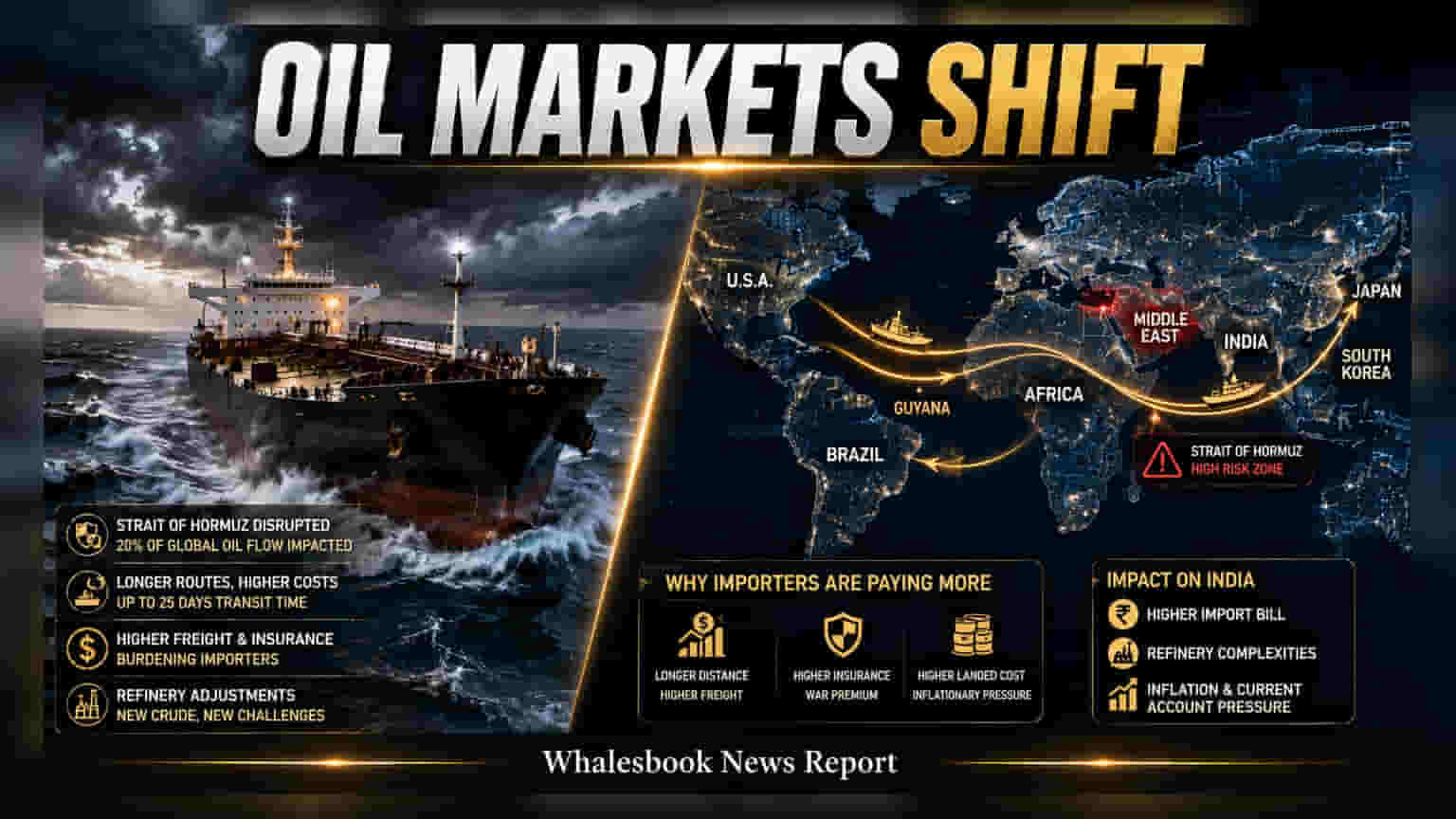
The ongoing conflict in the Middle East has disrupted the Strait of Hormuz, forcing India and other major importers to secure oil from the Americas and Africa. While this diversification reduces reliance on the Gulf, it increases freight costs and transit times, creating persistent risks for inflation and refinery profit margins.
The global energy market is undergoing a significant transformation in 2026 as the conflict involving the United States and Iran continues to disrupt the Strait of Hormuz. This narrow waterway, which historically handled approximately 20% of the world's daily oil flow, has faced severe operational challenges since tensions escalated in February 2026. As a result, the traditional reliance on short-haul supply routes from the Middle East is being replaced by long-haul imports from the Americas and Africa.
Impact of Longer Transit Times on Costs
For major importers like India, Japan, and South Korea, this shift represents a departure from supply chain efficiency in favor of security. Traditionally, oil shipments from the Gulf could reach Asian ports in three to five days. By contrast, sourcing crude from the United States, Brazil, or Guyana involves voyage times that can extend up to 25 days. This increase in transit time is not just a logistical hurdle; it creates a financial burden. Shipping companies are charging higher freight rates and insurance premiums for these longer routes, adding a permanent "war premium" to the cost of every barrel of oil.
Challenges for Indian Refineries and Economy
This structural change in energy sourcing has direct implications for India's economic health. The country has significantly increased its crude imports from suppliers like Brazil to maintain supply security. However, this diversification brings operational complexities. Indian refineries, which were historically configured to process specific grades of crude oil from the Middle East, must now adjust their infrastructure and processes to handle different types of crude from the Western Hemisphere. These modifications often come with additional costs and potential operational bottlenecks.
Furthermore, the higher cost of importing oil contributes to an inflationary environment in India. When the landed cost of crude rises due to longer shipping routes and higher freight expenses, it impacts the country's overall fuel import bill. This pressure can affect the profit margins of Oil Marketing Companies (OMCs) if they are unable to fully pass these costs to the end consumer, or if government policy limits price adjustments at the retail level.
Risk of Supply Chain Volatility
While diversifying suppliers provides a buffer against the immediate threat of conflict in the Strait of Hormuz, it does not eliminate risk. The global energy system is currently operating with lower-than-usual inventory levels, as many nations have drawn down their strategic reserves to manage price spikes throughout 2026. This leaves little room for error if there are production bottlenecks in the Americas or Africa.
Investors may monitor several key factors in the coming months. These include the volatility of Brent crude prices, official data on India's monthly fuel import bill, and any management commentary from oil refining companies regarding their ability to process non-traditional crude grades efficiently. The sustainability of this new global energy map will depend heavily on whether supply chain costs stabilize and whether new non-Middle Eastern producers can maintain the record-high export volumes seen earlier this year.