 Whalesbook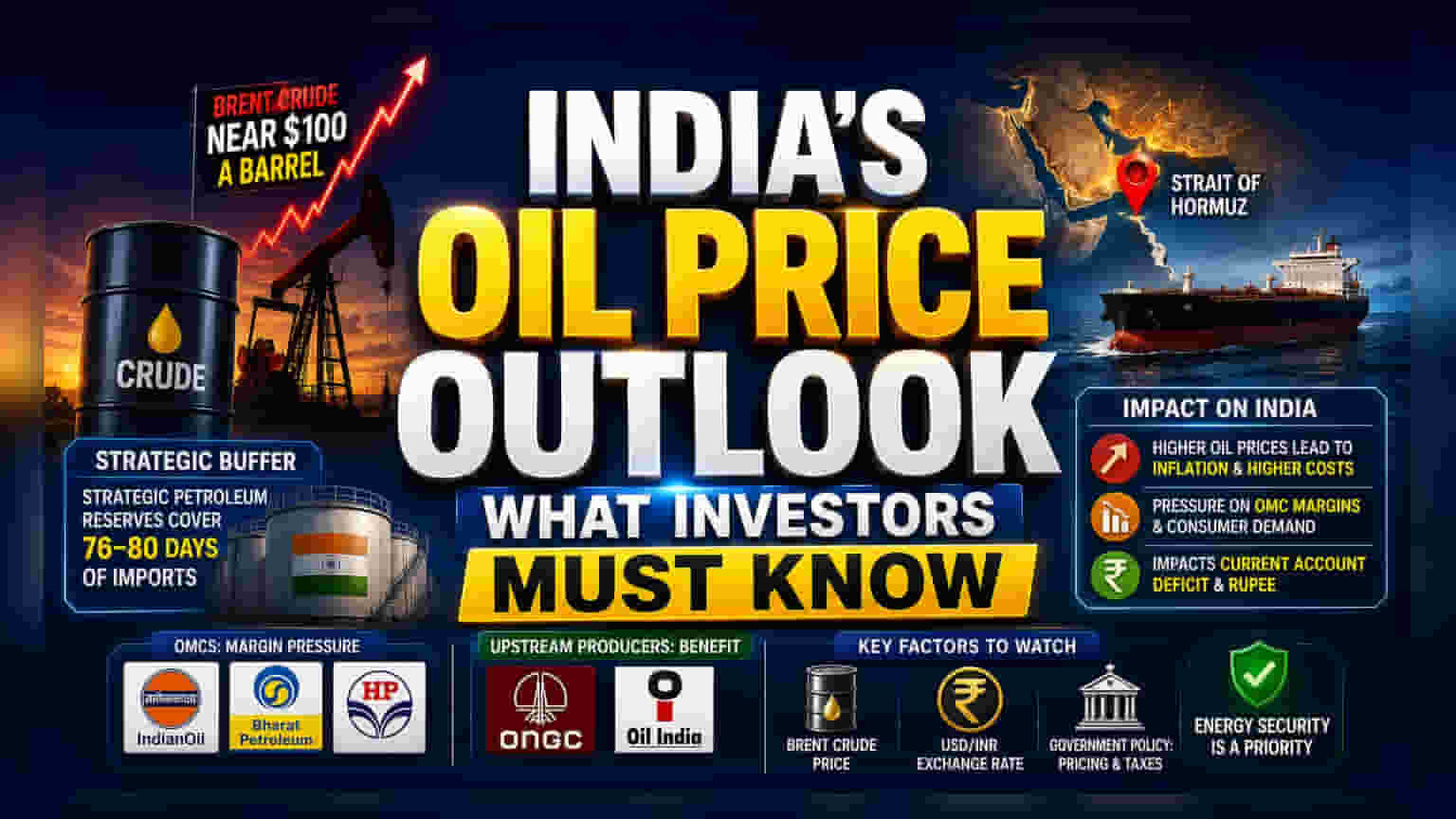


What Happened
India’s Minister for Petroleum and Natural Gas, Hardeep Singh Puri, recently shared an optimistic view regarding global oil and gas prices. He suggested that current high prices are unlikely to hold, anticipating a potential decline as the market stabilizes. This commentary comes against the backdrop of significant recent hikes in domestic petrol and diesel prices, which followed a period where prices remained frozen due to state elections. While geopolitical tensions, particularly affecting critical shipping routes like the Strait of Hormuz, have caused global crude benchmarks to climb near USD 100 a barrel, the government remains confident in India's energy security measures.
Why It Matters For Investors
Energy prices are a significant factor for the Indian economy and stock markets. Higher crude oil prices typically lead to inflationary pressure, which can hurt consumer demand and increase operational costs for businesses across logistics, aviation, and manufacturing. For equity investors, the primary area of focus is how these price fluctuations affect two distinct types of energy companies: Oil Marketing Companies (OMCs) and Upstream Producers.
Sector And Business Context
Oil Marketing Companies like Indian Oil Corporation (IOC), Bharat Petroleum Corporation (BPCL), and Hindustan Petroleum Corporation (HPCL) are highly sensitive to crude price movements. When global prices rise, these companies face margin pressure if they are unable to fully pass the increased costs to consumers. If fuel prices remain high, it can impact their earnings visibility. On the other hand, Upstream Producers like ONGC and Oil India generally benefit from higher global crude realizations, as they sell oil at market-linked prices. However, their actual profit is often impacted by government regulations, such as windfall taxes, which are frequently adjusted when global oil prices spike significantly.
The Strategic Buffer
To manage supply shocks, India has developed strategic petroleum reserves, which the government notes are currently sufficient to cover 76 to 80 days of imports. This provides a buffer, reducing the immediate risk of a total supply breakdown, though it does not fully shield the economy from price volatility. The government's confidence in diversifying supply sources, including imports from the Western Hemisphere, is aimed at reducing reliance on conflict-prone regions.
What Could Go Wrong
While the government expresses optimism, the primary risk remains geopolitical escalation. A widening conflict in the Gulf region could disrupt supply chains, causing further spikes in crude prices. For India, which imports a vast majority of its oil requirements, this directly impacts the Current Account Deficit and the strength of the Indian Rupee. If global prices stay elevated for a prolonged period, it could force the government to take measures that might dampen corporate earnings for fuel retailers or lead to broader inflationary pressures that affect consumer spending power.
What Investors Should Track
Investors may monitor a few key indicators to gauge the direction of the sector. First, the movement of Brent Crude prices serves as the primary benchmark for global supply-demand dynamics. Second, the USD/INR exchange rate is vital, as a weaker rupee makes oil imports more expensive for India, compounding the impact of high global prices. Finally, company-specific commentary from OMCs regarding their marketing margins and any updates on government policy regarding fuel pricing and windfall taxes will be important for assessing the financial health of these companies in the coming quarters.