

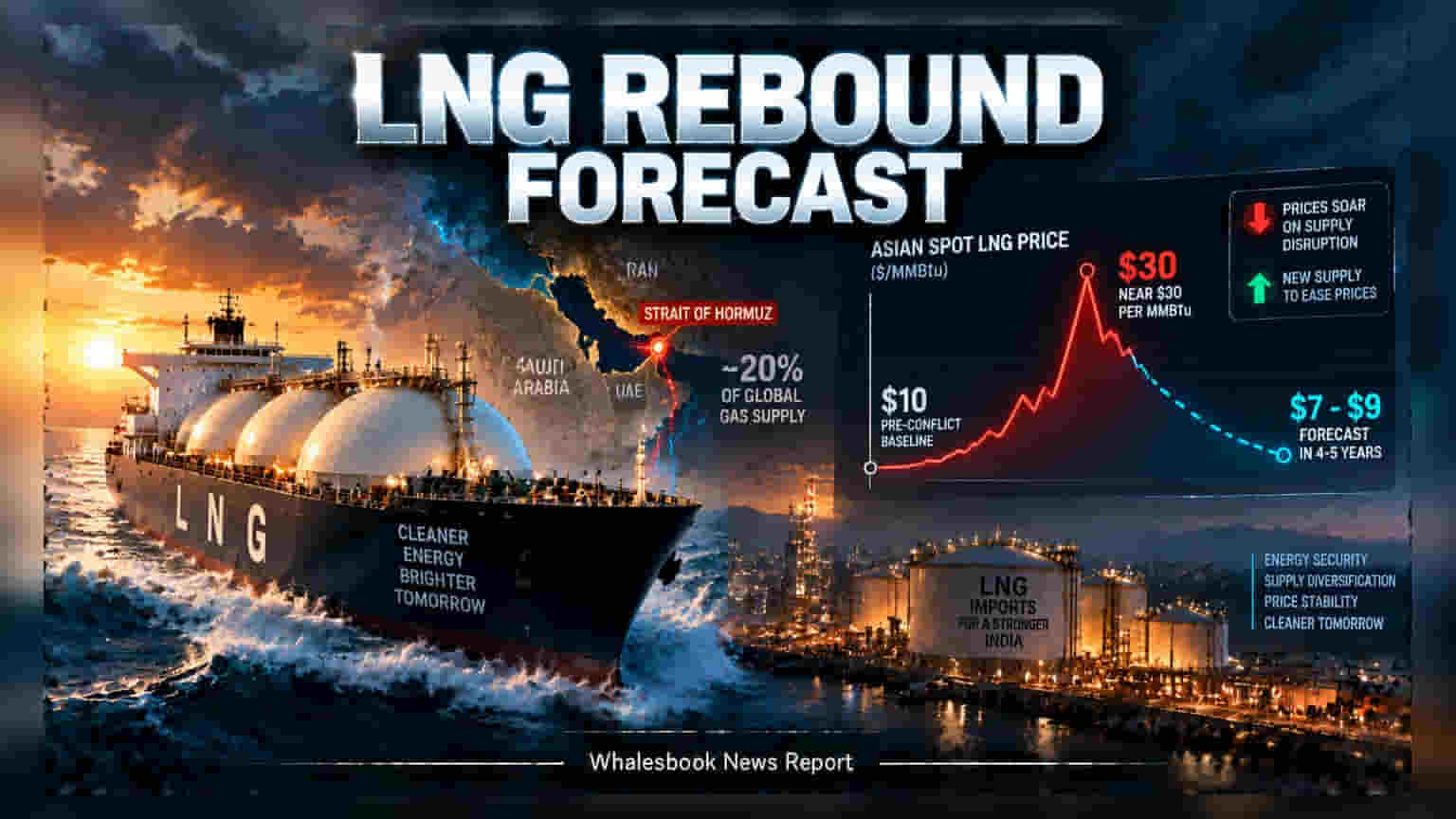
Global liquefied natural gas prices have spiked to $30 per MMBtu following supply disruptions in the Middle East. While Indian firms like GAIL have maintained steady imports, high costs are forcing industrial users to shift toward alternative fuels. Investors should track global supply timelines and the durability of these high energy prices.
The global energy market is currently navigating a period of intense volatility as geopolitical tensions in the Middle East disrupt critical supply routes. The closure of the Strait of Hormuz, a vital artery for energy exports, has caused a bottleneck that impacts approximately 20% of the world's natural gas supply. This disruption has sent Asian spot LNG prices soaring to near $30 per million British thermal units (MMBtu), a sharp increase from the pre-conflict baseline of around $10 per MMBtu.
Operational Resilience of Indian Gas Players
For Indian energy companies, the primary challenge has been balancing high import costs with supply security. Major players like GAIL (India) and Petronet LNG have navigated this by deploying flexible procurement and trading teams to source alternative cargoes. Exchange filings and industry reports indicate that GAIL has managed to secure between 90% and 95% of its required gas volumes despite the logistics crisis.
However, the financial impact of sustained high prices is visible at the consumer level. Many price-sensitive industrial sectors, such as fertilizers, power, and ceramics, have been forced to pivot toward cheaper, carbon-intensive alternatives like coal and fuel oil to manage operating costs. This shift presents a challenge for the long-term adoption of natural gas as a cleaner transition fuel in India.
Outlook for Price Normalization and Risks
Market participants are looking toward the medium term for relief, with industry forecasts suggesting that 150 million to 200 million tonnes of new LNG production capacity will come online globally over the next four to five years. Energy analysts anticipate that this influx of supply will eventually provide the liquidity needed to pull prices back toward the $7 to $9 per MMBtu range.
Despite these long-term projections, investors should remain cautious regarding near-term uncertainties. The duration of the conflict remains a significant variable; damage to energy infrastructure in the Middle East may take significant time to repair, potentially delaying the normalization of supply flows. Furthermore, if LNG prices remain elevated for an extended period, the structural demand destruction caused by industries switching to coal could hamper the sector's recovery even after prices eventually stabilize.
For shareholders and market observers, the key monitorables are the progress of new global supply projects, the sustained stability of domestic import volumes, and any changes in government energy policy aimed at balancing fuel costs for industrial consumers.