

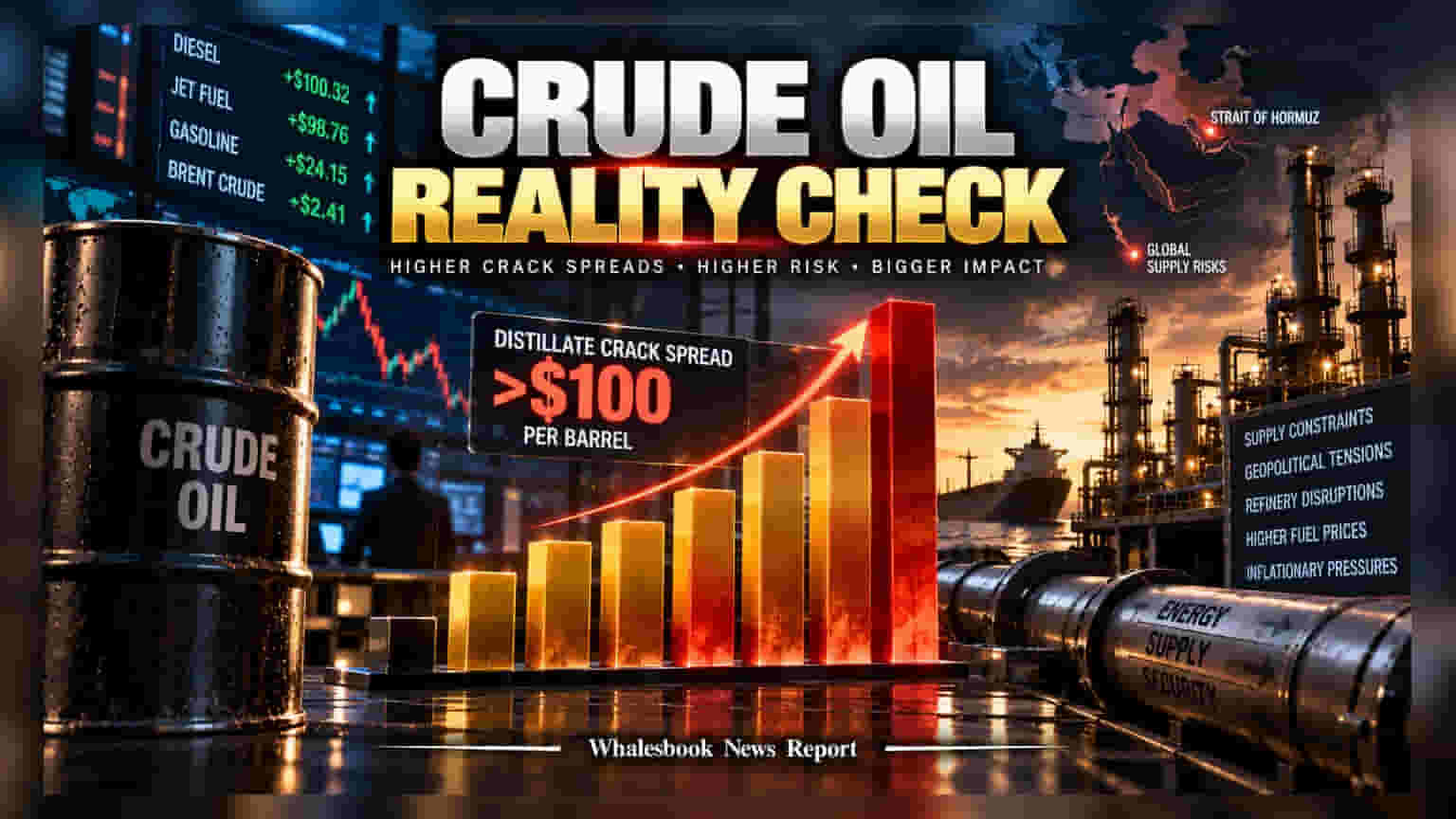
Distillate crack spreads have surged past $100 per barrel, marking a record level of scarcity in refined fuel markets. This spike, driven by geopolitical tensions and low inventories, is pushing diesel to $6 per gallon in the US, raising concerns about persistent global inflation that could pressure central bank policies and impact economic growth.
Energy markets are currently witnessing a historic tightening in the supply of refined petroleum products. The distillate crack spread—a key industry measure that calculates the difference between the price of crude oil and the finished products like diesel and jet fuel—has climbed above $100 per barrel. This is not just a statistical anomaly; it serves as a warning signal for the global economy. When this spread widens significantly, it indicates that finished products are becoming scarce, creating a potential inflationary environment that operates independently of crude oil price movements.
The current supply crunch is tied to multiple factors, including geopolitical disruptions that have constrained global refining capacity. Conflicts in regions like the Strait of Hormuz, combined with infrastructure impacts from the U.S.-Iran situation and reduced output from Russian refineries, have left the world short on fuel. According to energy data, distillate inventories remain roughly 13 to 14 percent below the five-year seasonal average. This supply-demand imbalance has pushed retail diesel prices to a record $6 per gallon in the United States, raising costs for essential sectors like freight, logistics, and agriculture.
For investors, this trend presents a complex outlook. On one hand, high crack spreads typically support stronger gross refining margins (GRMs) for oil refining companies. Firms such as Reliance Industries, Indian Oil Corporation, Bharat Petroleum, and Hindustan Petroleum operate large-scale refineries. When the gap between crude costs and refined product prices is wide, these companies can theoretically generate higher margins per barrel of oil processed.
However, there is a clear trade-off at the macro level. Persistent inflation fueled by energy costs can lead to demand destruction, where high prices eventually force consumers and businesses to cut back on usage. If energy costs remain elevated for too long, it can slow down broader industrial activity and consumer spending, which are negative indicators for the overall economy. This scenario, often referred to as stagflation, complicates the outlook for central banks, which must balance the need to curb inflation without stifling growth.
Investors monitoring the energy sector should look beyond daily crude price fluctuations and instead watch product inventory levels and refining capacity utilization data. The persistence of high crack spreads will depend on whether geopolitical tensions ease and whether refineries can stabilize supply to replenish depleted stock levels. The risk remains that until supply chains stabilize, the high cost of transportation fuel will continue to feed into the prices of other goods and services, keeping inflation sticky.