

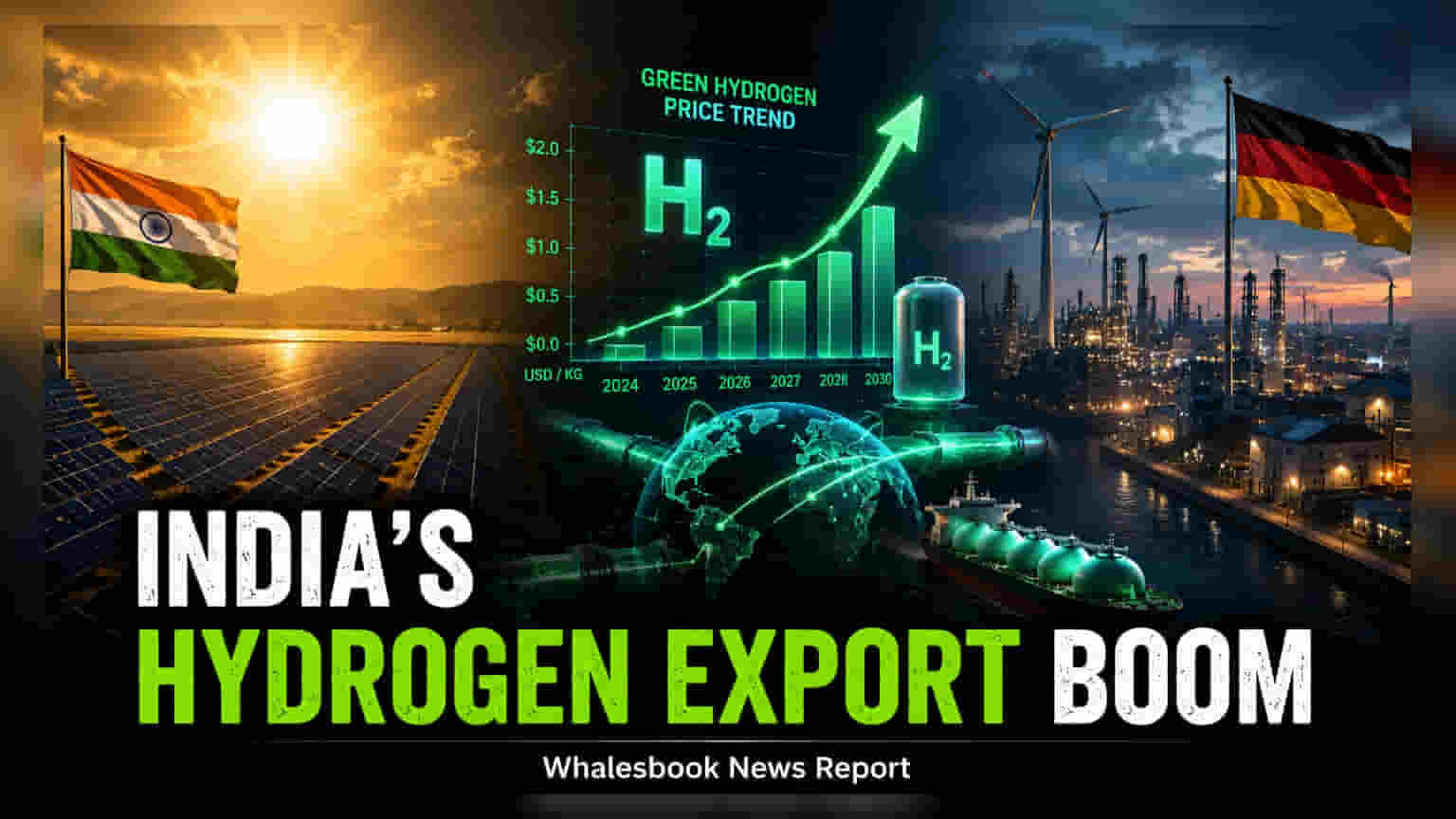
German Ambassador Philipp Ackermann has indicated that India is emerging as a potential green hydrogen supplier for Germany. This partnership, alongside potential collaborations in semiconductors and AI, aims to strengthen bilateral economic ties. Investors may monitor future project developments between companies like BHEL, Adani Group, and German firms, as well as progress on the proposed India-EU Free Trade Agreement.
India’s renewable energy sector is increasingly drawing international attention, with Germany identifying the country as a long-term supplier of green hydrogen. German Ambassador to India, Philipp Ackermann, recently highlighted this prospect during the Indo-German Industries Dialogue. He noted that as India scales its solar and wind energy capacity, it is moving closer to becoming an energy exporter, with Germany potentially serving as a key market for its green hydrogen output.
Industrial Collaborations and Technology Transfer
Beyond energy exports, the economic cooperation between the two nations is focusing on localizing advanced technology. A notable example is the partnership between German engineering firm ThyssenKrupp and Bharat Heavy Electricals Limited (BHEL) to manufacture alkaline water electrolyzers in India. By combining German electrolysis technology with domestic manufacturing capabilities, the collaboration aims to reduce the cost and reliance on imports for green hydrogen production infrastructure. The ambassador’s recent visit to large-scale renewable energy sites in Kutch, Gujarat, further underscored the scale of projects currently being explored by Indian conglomerates such as the Adani Group.
Technology, Trade, and Future Policy
Germany and India are also aligning their strategies in artificial intelligence (AI), semiconductors, and digital manufacturing. A bilateral AI pact, discussed recently in New Delhi, seeks to integrate India's software and AI expertise with Germany’s industrial manufacturing prowess. This cooperation is designed to improve supply chain diversity and support the growth of startups in both regions.
Additionally, the proposed India-European Union Free Trade Agreement (FTA) remains a key point of interest for investors and businesses. With bilateral trade already exceeding $50 billion annually, the successful signing of the FTA, which is currently targeted for the coming months, is expected to lower trade barriers and encourage higher levels of German investment in India’s manufacturing and technology sectors.
Risks and Monitorables
While these partnerships reflect strong diplomatic and economic intent, investors should track the actual transition from memorandums of understanding to large-scale commercial operation. Green hydrogen remains a capital-intensive industry with significant execution risks, including the need for cost-competitive production and long-term infrastructure development. The speed at which these pilot projects, such as the BHEL and ThyssenKrupp initiative, can scale will be a critical factor. Furthermore, the finalization of the India-EU FTA and the timeline for major defense or industrial deals will serve as important indicators of the strength of this bilateral economic relationship moving into the next year.