

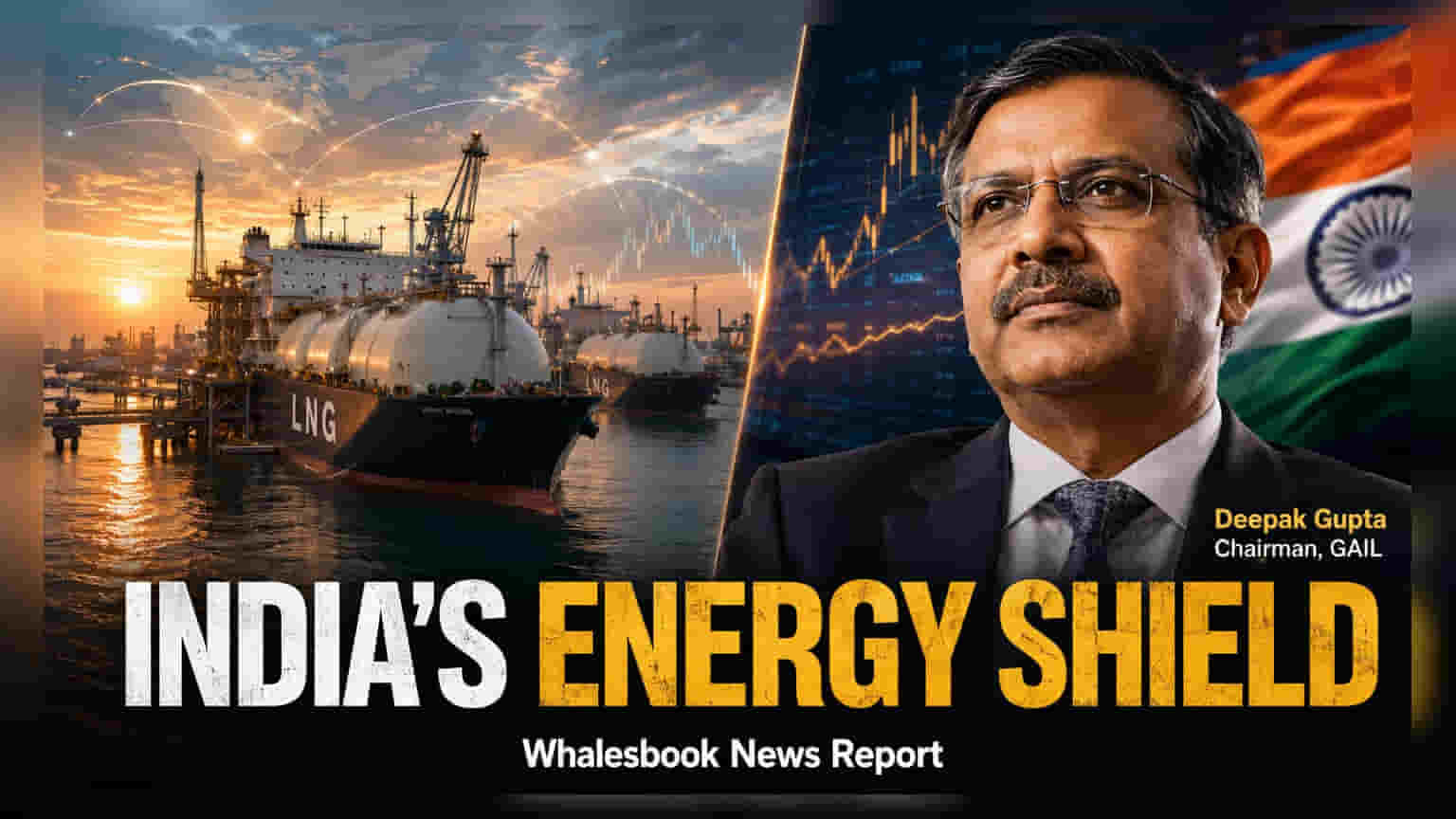
GAIL is diversifying its LNG sourcing across the US, Australia, and Qatar to insulate India's energy supply from global volatility. CMD Deepak Gupta highlighted this strategy during his Independence Day address, balancing traditional gas operations with new renewable energy investments. Investors are closely monitoring the company's margin stability and upcoming project execution amid fluctuating fuel prices.
GAIL (India) Limited is prioritizing the diversification of its liquefied natural gas (LNG) portfolio to protect India’s energy supply from global market instability. During his Independence Day address on August 15, 2026, CMD Deepak Gupta emphasized that this strategic shift is essential for supporting the country's long-term economic development. As geopolitical tensions impact global fuel availability, the state-owned energy company is focusing on reducing reliance on any single market.
To strengthen its supply chain, GAIL has been actively securing long-term logistics, including the chartering of the LNG carrier 'Energy Fidelity' to manage supplies from the United States. The company is currently sourcing LNG from multiple geographies, including Australia, Qatar, and the US, to build a buffer against sudden price spikes or supply disruptions in the global spot market. This approach is intended to provide greater predictability in an environment where energy prices remain unpredictable.
Alongside its core natural gas business, GAIL is directing money into renewable energy projects to diversify its income streams. The company has announced plans to invest Rs 3,800 crore in 700 MW solar power projects located in Uttar Pradesh and Maharashtra. This dual strategy aims to align the company's growth with the broader transition toward sustainable energy sources while maintaining its role as a backbone for the country's industrial and domestic gas needs.
While the company delivered strong financial results in the first quarter of fiscal year 2027, the stock has recently faced pressure from profit-taking in the market. Investors continue to evaluate whether the company can protect its profit margins if global spot gas prices remain volatile. Geopolitical instability, particularly in regions like West Asia, remains a significant external risk factor that could threaten supply lines or force the company to source fuel at higher costs.
Beyond current operations, the company is also looking to raise between Rs 5,000 crore and Rs 6,000 crore in the 2027 fiscal year to fund these various initiatives. The upcoming 42nd Annual General Meeting, scheduled for August 27, 2026, will be a key event for shareholders. Investors will likely look for further clarity on the timeline for solar project commissioning, the impact of the new capital spending on the balance sheet, and management's outlook on navigating global fuel market challenges in the coming quarters.