

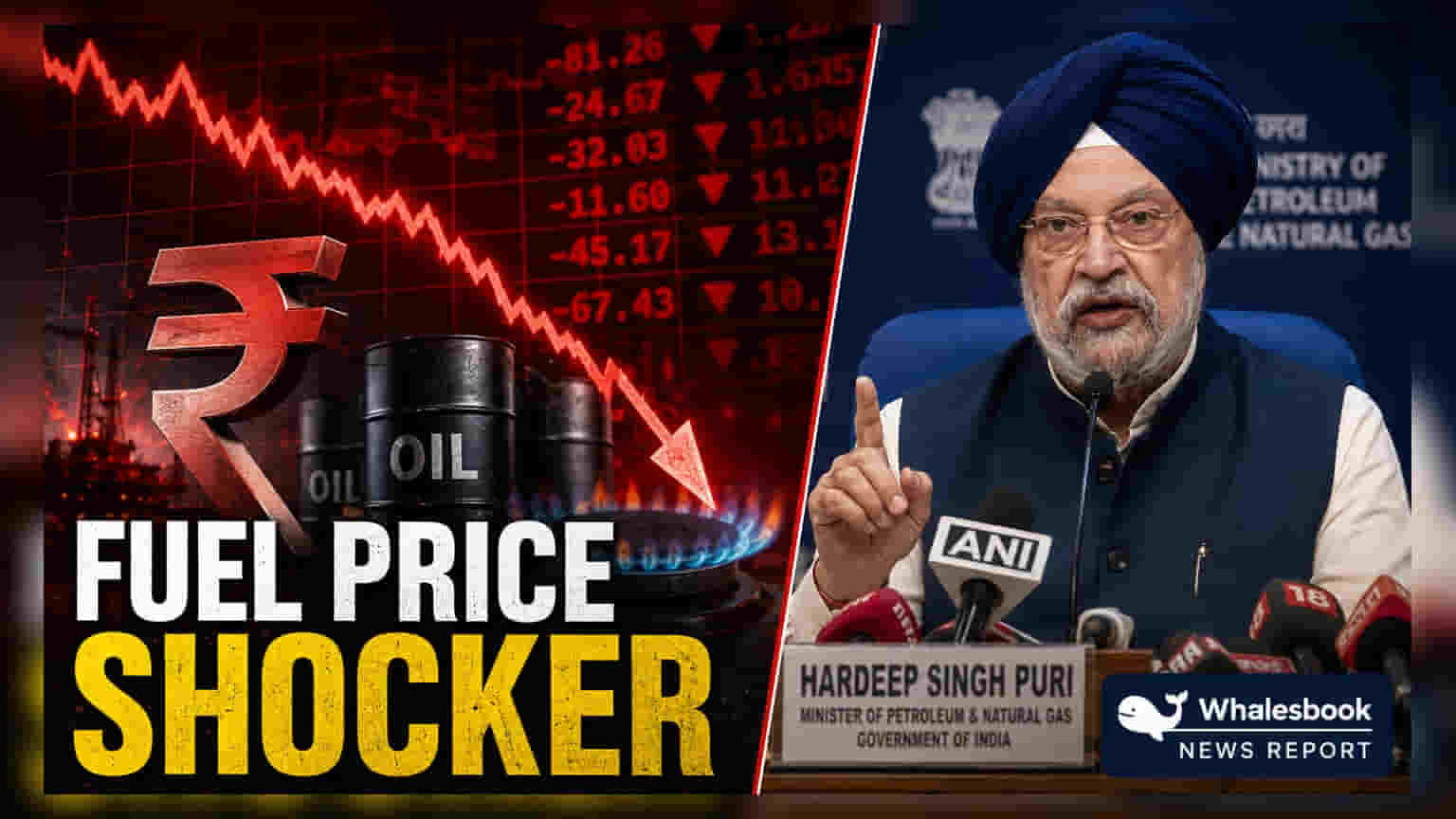
The government has ruled out immediate petrol and diesel price cuts, citing Rs 74,781 crore in under-recoveries faced by state-run oil marketing companies. Minister Hardeep Singh Puri stated that retail prices will only be reassessed if global crude oil prices remain lower for a sustained period. This highlights the ongoing margin pressure on Indian oil retailers as they recover from past procurement costs.
What Happened
Union Petroleum and Natural Gas Minister Hardeep Singh Puri has indicated that a reduction in petrol and diesel prices is not currently on the table. The Minister pointed to the significant financial burden on state-run Oil Marketing Companies (OMCs), which have absorbed losses amounting to Rs 74,781 crore. These losses, often referred to as under-recoveries, occurred when OMCs sold petrol, diesel, and LPG below their actual production costs to shield domestic consumers from the full impact of global price spikes. While global crude oil prices have shown signs of easing recently, the government maintains that any decision to lower retail prices is contingent on these lower levels being sustained over several weeks.
Why Price Cuts Are Unlikely
For Indian oil retailers like Indian Oil Corporation (IOC), Bharat Petroleum (BPCL), and Hindustan Petroleum (HPCL), fuel pricing is a balancing act. The Minister’s comments emphasize that the OMCs are still in a phase of recouping the massive losses accumulated during periods of high crude oil prices, particularly those driven by the recent West Asia conflict. When international oil prices rise, OMCs often hold retail prices steady for long periods to manage inflation, which directly compresses their marketing margins. Until these companies can sufficiently recover the losses built up on their balance sheets, the room for price cuts remains limited.
The Impact of Procurement Lag
A critical factor for investors to understand is the 'procurement lag.' Refineries in India typically purchase crude oil about two months in advance. This means the fuel currently being processed and sold at retail outlets was often bought when global benchmark prices were at their peak. Even if crude prices drop today, the benefits do not immediately reach the refinery's profit and loss statement. The companies must first finish selling the more expensive inventory procured earlier. This timing mismatch creates a delay between a fall in global crude rates and any potential improvement in the OMCs' bottom line.
Understanding OMC Margins
OMCs operate on thin marketing margins, making them highly sensitive to both crude price volatility and government policy. Historically, these companies have relied on periods of lower crude prices to build up reserves and offset losses from volatile periods. However, the current environment is complicated by significant under-recoveries, particularly in LPG and auto fuels. Analysts often monitor these under-recovery figures closely, as they directly impact the companies' ability to invest in refinery upgrades, debt repayment, and dividend payouts. If global prices remain depressed for a long period, OMCs may finally see their margins expand, but the government's fiscal stance—such as excise duty adjustments—also plays a massive role in deciding whether that benefit is passed to consumers or retained by the companies.
What Investors Should Track
Investors monitoring the sector should focus on a few key indicators. First, the trend in global crude prices is paramount; stability at lower levels is necessary for OMCs to improve their margin profile. Second, any official commentary regarding the reversal or adjustment of excise duties will be a major trigger, as these taxes were previously reduced to control inflation. Finally, management commentary during quarterly results regarding the status of these under-recoveries will provide the clearest picture of when these companies might return to more normalized profitability levels.