

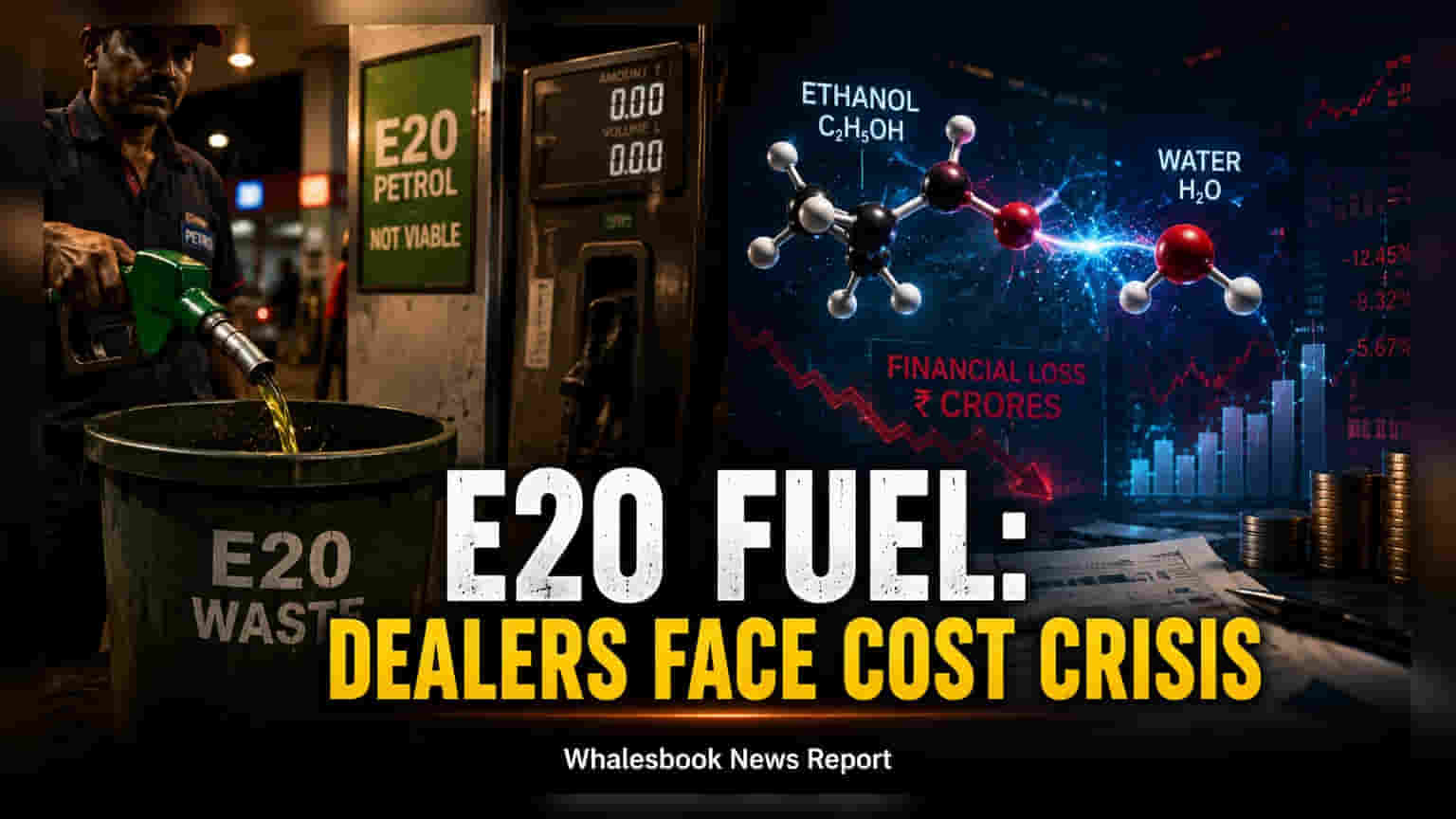
Fuel station operators are requesting Oil Marketing Companies (OMCs) to fund E20 ethanol-blended fuel quality checks. Dealers report that current mandatory water-mixing testing methods cause fuel wastage and financial losses, urging for modern, non-destructive testing equipment instead.
Fuel dealers across India are increasing pressure on public sector Oil Marketing Companies (OMCs) to change how they conduct quality testing for ethanol-blended E20 petrol. Retailers argue that current protocols are outdated and financially damaging to small business owners who operate these pumps. The core of the dispute lies in the testing procedure, which currently requires fuel station operators to use a water-mixing method to verify fuel quality. According to dealer associations, this method not only lacks scientific validation for field use but also renders the tested fuel samples unusable, leading to significant wastage at every pump.
Impact on Dealer Operations and Costs
For a standard fuel station, the requirement to perform these tests frequently can result in the loss of up to nine liters of petrol daily. Dealers contend that because the fuel dispensing infrastructure and the supply chain are entirely managed and owned by OMCs, the responsibility for providing scientifically validated testing kits should rest with the companies themselves. Beyond the cost of wasted fuel, retailers are raising concerns about the lack of clear labeling regarding blend percentages on invoices provided by OMCs. This opacity complicates their ability to manage inventory and verify the product they are selling to consumers. Dealers are now demanding that OMCs either provide modern, non-destructive testing equipment or offer financial reimbursement for the fuel lost during the current mandatory testing process.
Regulatory and Market Concerns
While the government continues to promote E20 fuel as a strategy to reduce dependence on crude oil imports and support the domestic agricultural sector, the rollout has faced operational friction. Dealers have noted that testing mandates appear to be strictly enforced on public sector OMC pumps while seemingly being less applicable to private fuel retailers, creating a perceived inconsistency in the market. Additionally, there is growing concern regarding vehicle performance, with reports of reduced mileage and potential engine issues in older vehicles frequently mentioned by commercial drivers. The Petroleum Ministry has responded by tightening enforcement against fuel adulteration and coordinating with state authorities to ensure the integrity of the fuel supply chain. Meanwhile, public sector companies like Hindustan Petroleum Corporation Limited (HPCL) have issued advisories focusing on safe handling and monitoring for water ingress, especially during monsoon seasons, to maintain fuel quality.
Next Steps for Investors
Investors monitoring the oil and gas marketing sector should track how OMCs respond to these demands for operational expense coverage and equipment upgrades. The ability of companies like Indian Oil Corporation, Bharat Petroleum, and Hindustan Petroleum to balance the government's aggressive ethanol-blending targets with the operational needs of their dealer network remains a key monitorable. Any move toward non-destructive testing, if implemented at scale, may lead to increased capital spending by OMCs. Furthermore, the market will likely watch for any official changes to the standard operating procedures or new government directives that could impact the speed or costs associated with the national ethanol-blending program.