

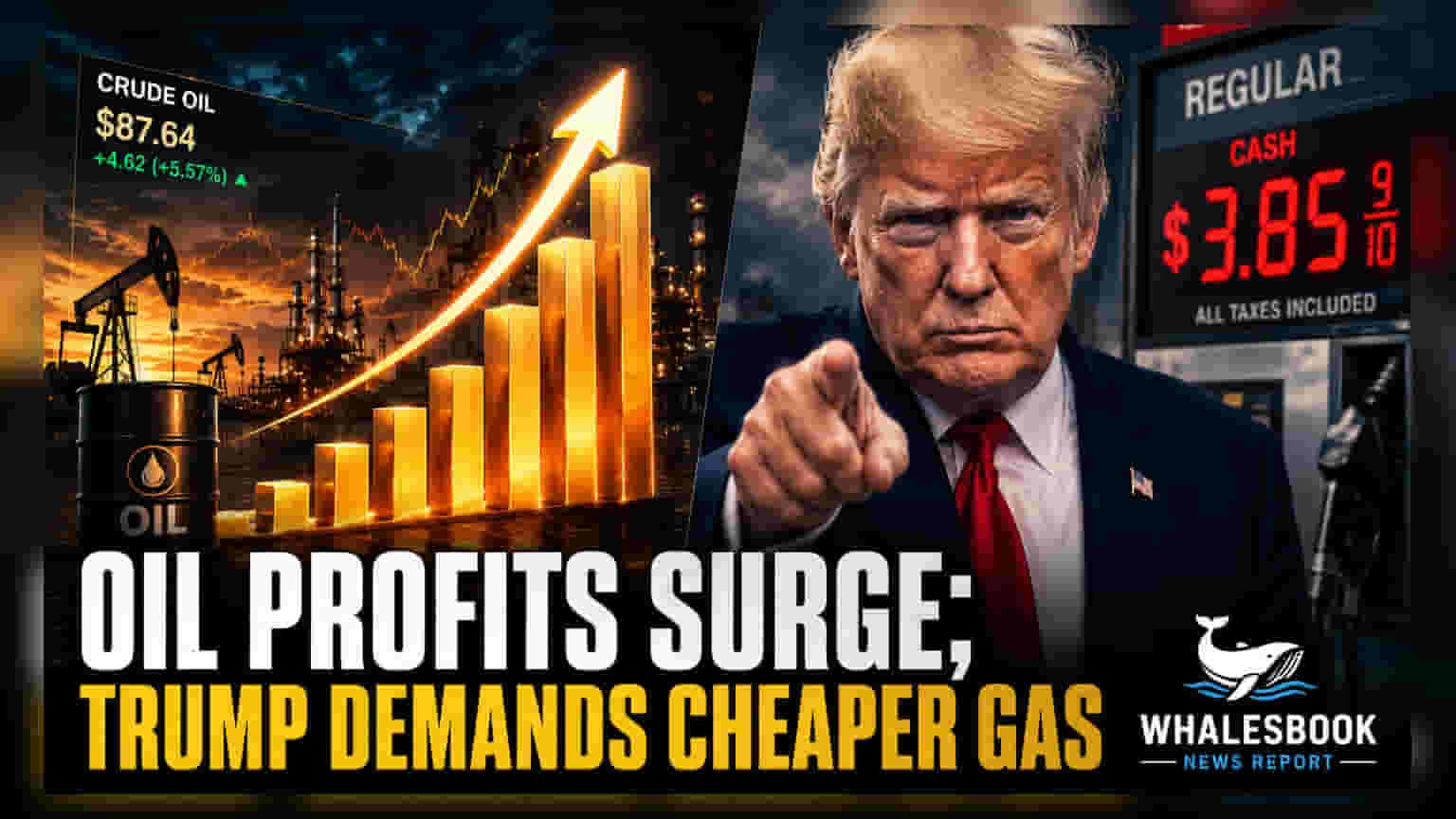
Exxon Mobil and Chevron are expected to report second-quarter profit jumps exceeding 300% following recent oil price volatility. The companies face mounting pressure from President Donald Trump to lower retail gasoline prices, which remain significantly higher than pre-conflict levels despite the stabilization of global crude costs.
What Happened
US energy giants Exxon Mobil and Chevron are expected to announce substantial profit growth for the second quarter of 2026, with earnings potentially tripling compared to the previous quarter. This sharp rise in profitability follows the oil price volatility triggered by U.S. and Israeli military actions in Iran in late February. While global crude oil prices have since stabilized, retail gasoline prices in the United States have remained high, averaging approximately $3.85 per gallon. This disparity has drawn direct attention from President Donald Trump, who is calling for a reduction in retail fuel costs ahead of the upcoming midterm elections.
The Profit And Pricing Disconnect
Investors are observing a notable gap between the stabilization of crude oil prices and the continued high cost of gasoline for consumers. While crude oil accounts for roughly 50% of the final retail price, the remainder is determined by refining, distribution, marketing, and tax costs. Industry data indicates that gasoline inventories remain constrained, preventing retail prices from falling in line with the benchmark crude oil drops. This supply-side tightness is a key reason why fuel prices currently sit about 22% higher than levels observed before the February military escalation.
Political Pressure And Regulatory Risk
President Trump has publicly set a target for gasoline prices to reach approximately $2.50 per gallon, a level significantly below both the current average and the $2.81 average seen in late December. This pressure creates a complex environment for major oil producers. With political sensitivity high, industry lobbyists are actively engaging with lawmakers to clarify that oil companies have limited direct control over retail pump prices. However, the risk remains that continued consumer frustration over high energy costs could lead to closer government scrutiny of energy sector margins or policy interventions.
Understanding The Business Realities
For investors, the situation highlights the distinction between upstream operations—which benefit directly from higher oil prices—and the broader political and supply chain challenges facing the industry. While the reported profit jumps reflect the recent price surges, future performance will depend heavily on whether supply-side constraints in refining and distribution ease. If gasoline prices do not decline as requested, the sector could face increased political headwinds or changes in tax and trade policy. Investors are monitoring these developments to see if potential regulatory action or continued inventory shortages might impact future margins.