

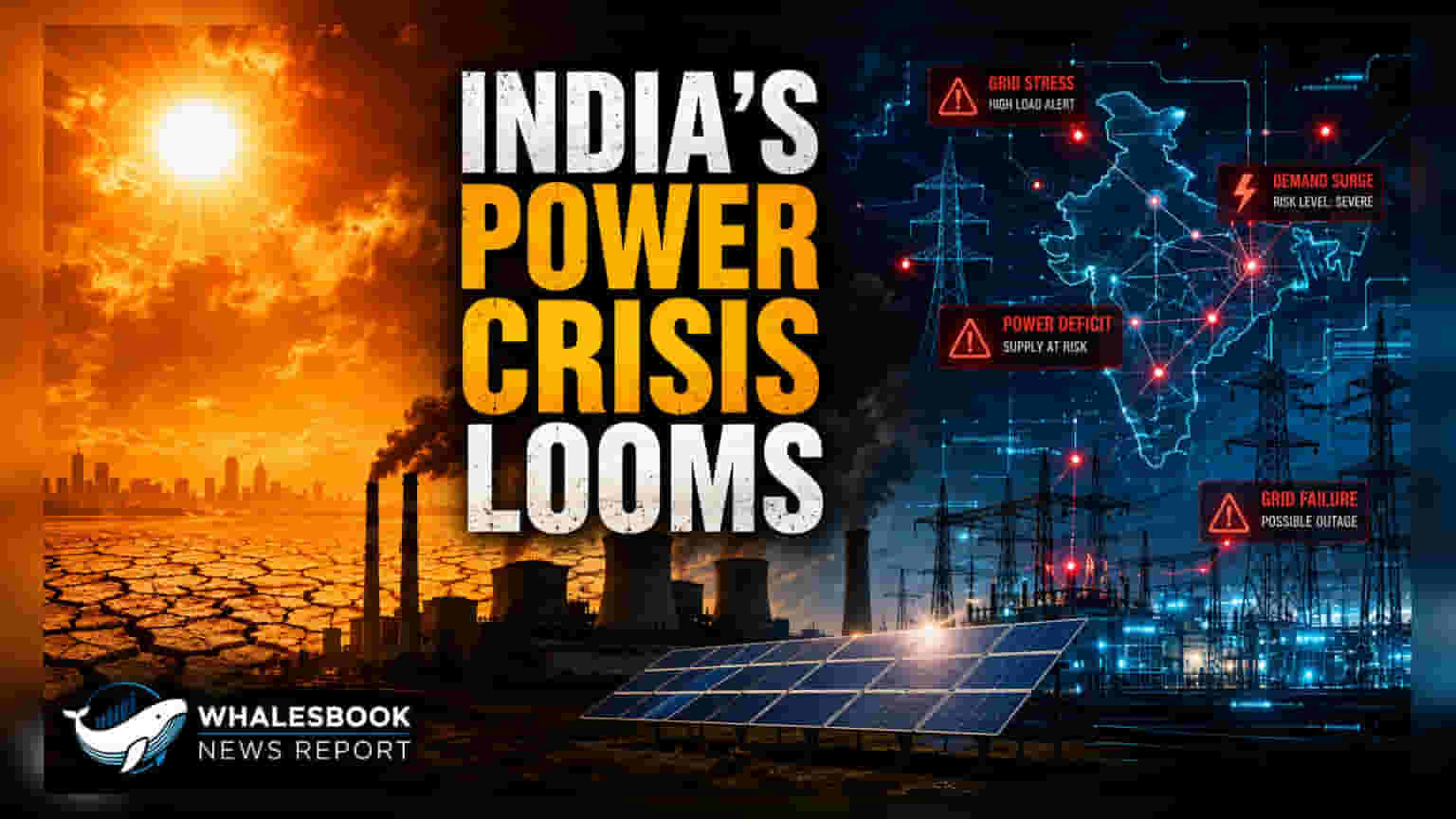
A severe El Niño weather pattern could lead to a massive power deficit in India, potentially forcing a greater reliance on coal-fired electricity. This situation challenges national clean energy goals, as experts highlight the urgent need for faster battery storage and grid infrastructure development to balance rising demand.
India faces a potential energy supply challenge as weather patterns associated with El Niño threaten to disrupt the national power grid. According to estimates from the Centre for Research on Energy and Clean Air, the country could experience a power deficit of 18 terawatt-hours over the next twelve months. This projected shortfall is significant, placing India in a difficult position compared to other nations regarding energy security and transition goals.
Impact on Energy Transition
To manage this expected gap, the power sector may need to rely more heavily on coal-fired generation. This development poses a hurdle to India's long-term environmental commitments. While the national plan aims to reduce the share of coal in the total energy mix to below 50% by 2030, current data shows coal still contributes over 70% of electricity generation. Relying on coal to meet sudden spikes in demand may slow the transition toward cleaner alternatives.
Infrastructure and Storage Needs
Although India has made notable progress in installing solar capacity, which helped mitigate power shortages during recent heat waves, clean energy sources alone are not yet sufficient to handle all fluctuations in demand. The current limitation lies in the lack of large-scale battery energy storage and the state of existing grid infrastructure. Without these systems, the grid struggles to store excess solar energy for use during peak evening hours, which are typically covered by conventional coal plants.
Investors may monitor the progress of upcoming battery storage projects and grid modernization initiatives as these are crucial for reducing dependency on fossil fuels. Future updates on utility-scale storage installations and government policies aimed at incentivizing non-coal generation will be important to track, as these factors will determine whether India can balance its growth in electricity demand with its sustainability targets.