

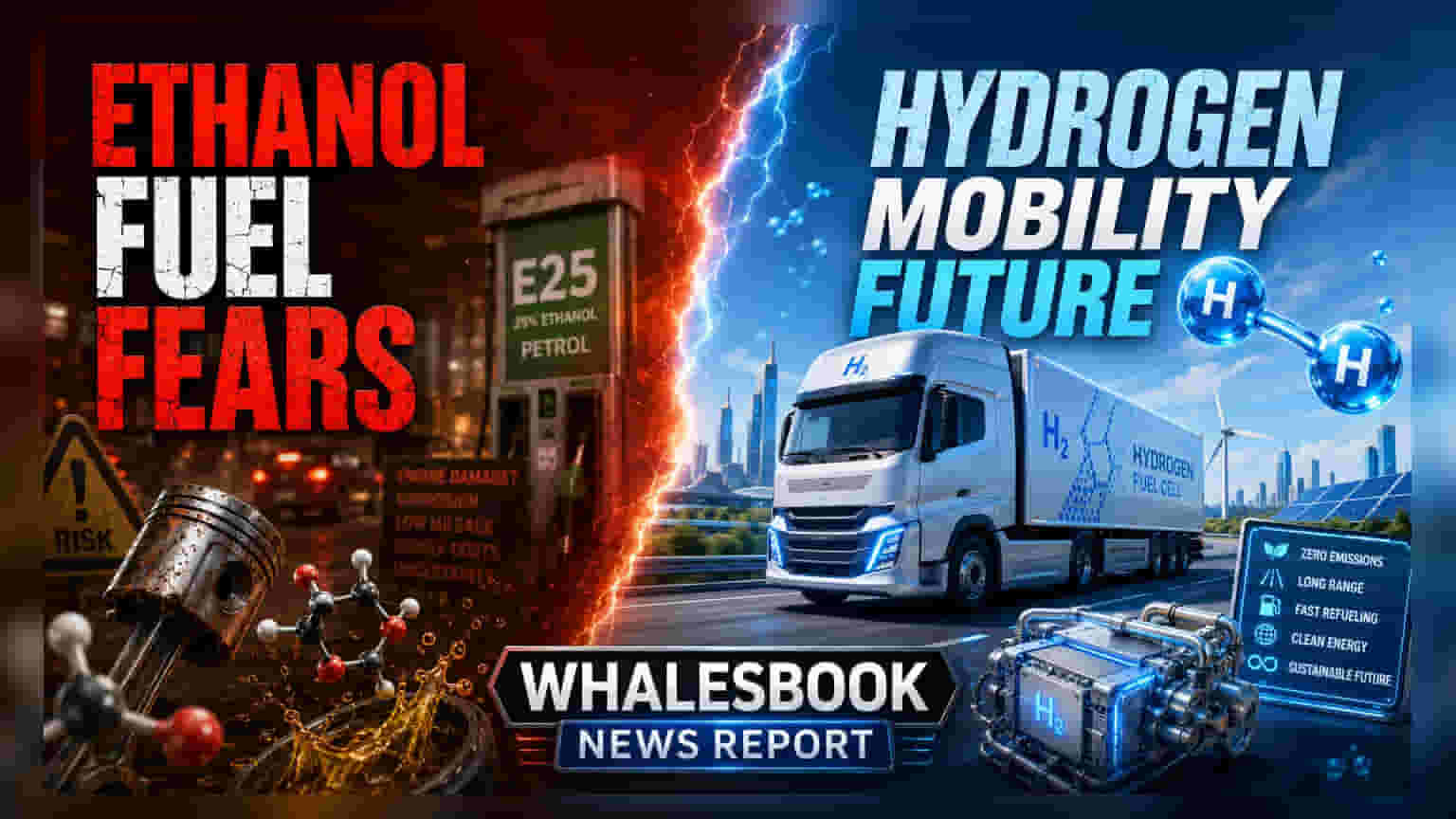
Petroleum Minister Hardeep Singh Puri has clarified that E25 ethanol-blended petrol is still under testing, dismissing concerns about current E20 fuel performance. Meanwhile, Road Transport Minister Nitin Gadkari is promoting hydrogen-powered commercial vehicles, including new truck models from Tata Motors, as India accelerates its shift toward cleaner alternative fuels.
The Ministry of Petroleum and Natural Gas has clarified the status of India's ethanol blending program, specifically addressing concerns regarding the future rollout of E25 fuel. Union Minister Hardeep Singh Puri stated that reports of operational issues with existing blends are inaccurate. The government confirmed that while E20 fuel, which contains 20% ethanol, has been in use since April 2025, the transition to E25 remains in the testing phase. Comprehensive trials are currently underway to ensure engine compatibility and performance before any wider implementation is considered.
Puri emphasized that the decision-making process for E25 will involve a detailed evaluation of test data followed by consultations with key stakeholders, including major automobile manufacturers. Regarding the current E20 blend, the Minister noted that vehicle manufacturers have confirmed their engines are compatible with the fuel, refuting claims of reduced fuel efficiency or engine damage circulating on social media. The government's focus remains on maintaining vehicle health while gradually increasing the share of biofuels in the national energy mix.
Hydrogen Mobility and Commercial Transport
While the petroleum ministry focuses on ethanol blending, the Ministry of Road Transport and Highways is intensifying efforts to introduce hydrogen-powered technology into the commercial vehicle segment. Minister Nitin Gadkari highlighted the potential of hydrogen as a long-term fuel source, particularly for heavy-duty transport such as trucks and buses. This initiative is part of a broader strategy to reduce dependence on traditional fossil fuels through multiple technology pathways, including electric, flex-fuel, and hydrogen-based systems.
Recent developments in the commercial vehicle space reflect this push, with Tata Motors launching hydrogen-powered truck models that utilize both fuel cell technology and modified internal combustion engines. Additionally, a pilot project in Nagpur is testing the feasibility of hydrogen-powered buses for public transport. These projects often include on-site hydrogen production to address supply chain challenges associated with fuel distribution. Investors monitoring the automotive and energy sectors may track the progress of these pilot programs, the commercial viability of hydrogen trucks, and the regulatory timelines for future ethanol blending standards, as these factors will influence future capital spending and product strategies for Indian automobile and energy companies.