

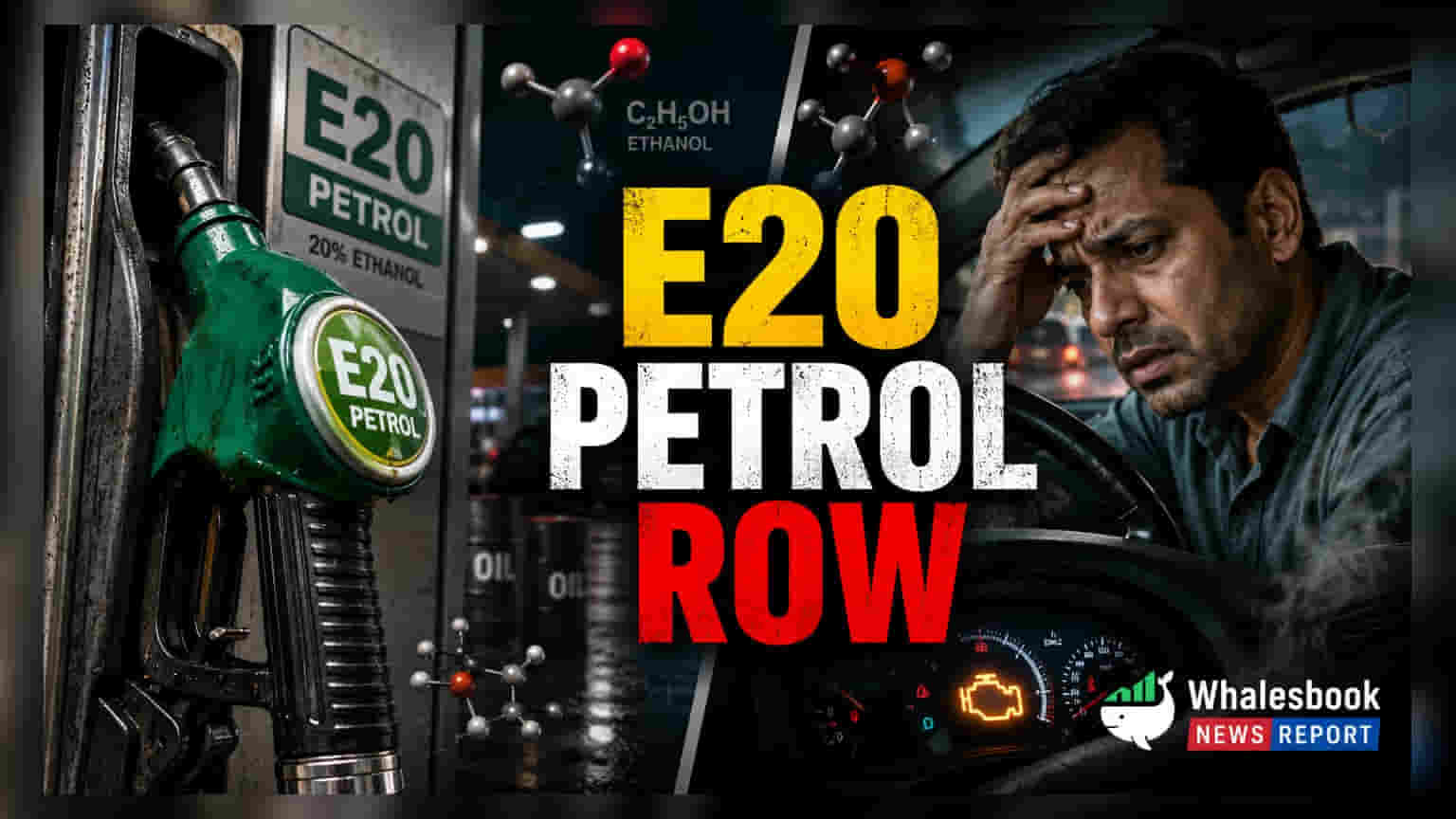
India's nationwide E20 petrol rollout faces consumer complaints over lower fuel efficiency and engine performance. While the government maintains the fuel is vital for energy security, investors should monitor potential impacts on automotive demand and service-related costs.
India has reached a key milestone in its energy transition with the nationwide availability of E20 petrol, a blend containing 20% ethanol. The government initiative aims to lower the country's reliance on imported crude oil, which currently meets about 85% of India's demand, while simultaneously supporting the agricultural sector through increased ethanol demand.
Consumer Concerns and Operational Realities
Despite the strategic shift toward greener fuels, a segment of vehicle owners has reported issues, including reduced fuel efficiency and engine performance problems like rough idling and knocking. These reports appear more frequent among owners of older vehicles that were not originally engineered to handle higher ethanol blends. Because ethanol contains less energy per unit of volume than pure gasoline, a slight decrease in mileage is technically expected, though industry data suggests the impact for most modern passenger cars is relatively marginal at approximately 1% to 2%.
Automotive manufacturers and fuel retailers maintain that widespread engine failures are not occurring. Investigations into reported service complaints often highlight other factors such as fuel adulteration or lack of proper vehicle maintenance rather than the fuel composition itself. While newer vehicle models are designed to be E20-compliant, older units may face long-term wear on fuel system seals and hoses, a risk that manufacturers have previously acknowledged.
Strategic Energy Direction
For the Indian economy, the transition to ethanol blending is a long-term fiscal strategy. Government data indicates the blending program has helped save over ₹1.4 lakh crore in foreign exchange over the past decade by reducing dependence on imported oil. Looking ahead, the government has already notified standards for even higher blends, including E22, E25, E27, and E30. This suggests that the policy focus on biofuels is set to continue, regardless of near-term consumer feedback.
What Investors Should Monitor
For stakeholders in the automotive and energy sectors, the key monitorable is whether consumer sentiment leads to a shift in purchasing patterns or increased warranty-related service costs for automakers. While authorized service centers have not reported a significant spike in E20-related warranty claims, investors should track management commentary from major automakers regarding long-term maintenance trends for older vehicle fleets. Additionally, continued volatility in global crude oil prices remains a central factor that may influence the pace at which the government pursues higher-ethanol blends in the future, as the economic benefit of the program is directly linked to the cost of imported oil.