

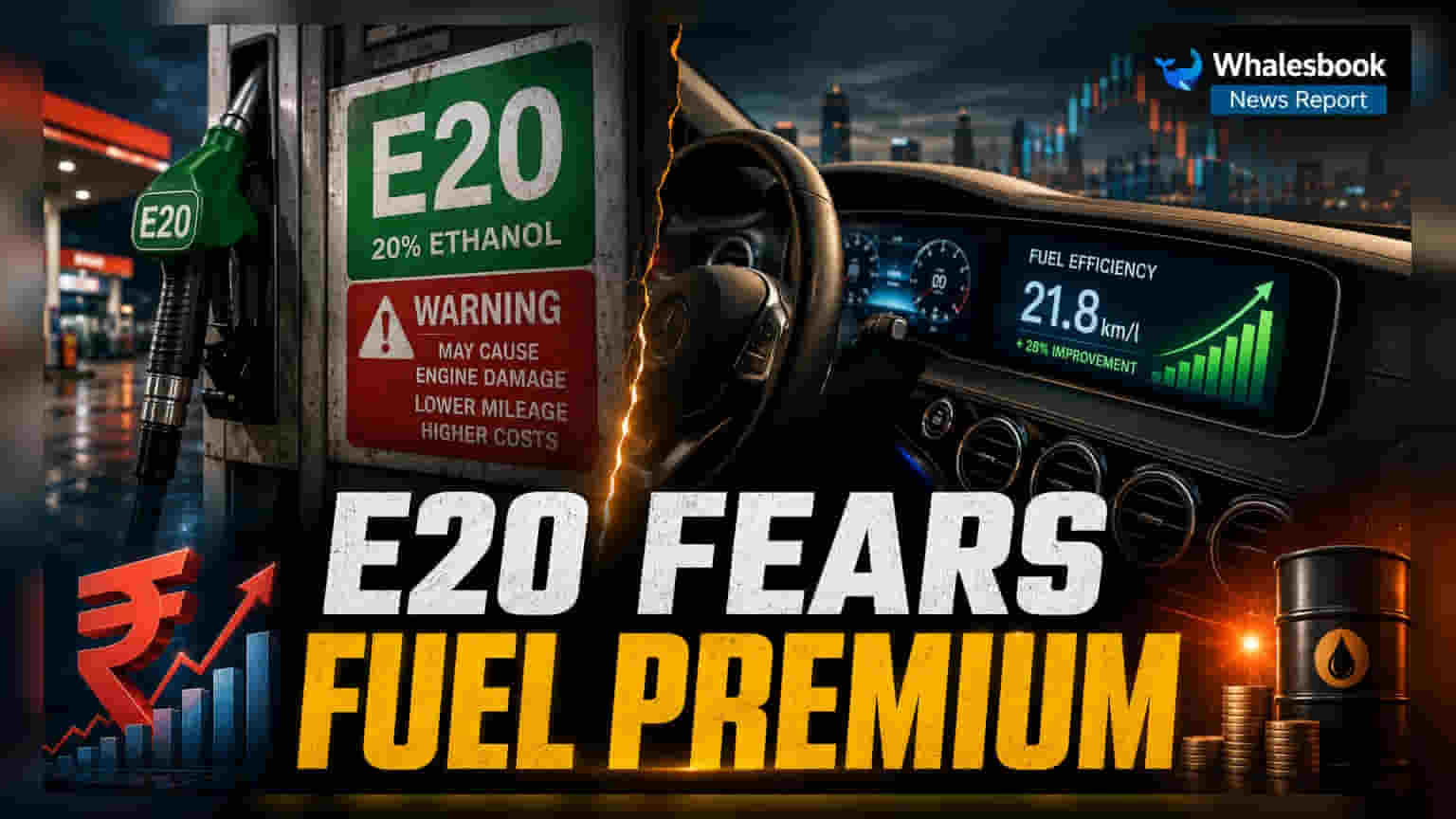
India's E20 ethanol-blending mandate is unexpectedly fueling consumer demand for premium petrol due to mileage and engine health concerns. While motorists are opting for higher-octane fuel to protect their vehicles, limited availability at fuel stations creates a mismatch between rising demand and supply.
What Happened
India’s transition to E20 fuel—petrol blended with 20% ethanol—is causing an unintended ripple effect in the retail fuel market. Across the country, many motorists are moving away from standard E20 petrol, opting instead for premium, higher-octane alternatives. Consumers are increasingly concerned that the ethanol blend may reduce fuel efficiency and affect long-term engine performance. As a result, petrol pump dealers are reporting a surge in requests for premium fuel, even though it costs 40% to 45% more than the standard variety.
Why Consumers Are Switching
The shift is largely driven by a perception that premium petrol offers better value despite the price difference. Motorists believe that higher-octane fuel, which often contains specialized detergents, helps prevent carbon deposits in engines. The reasoning is that by spending more upfront on premium fuel, vehicle owners may reduce the risk of future maintenance issues. This behavior highlights a gap between the government's push for ethanol-blended fuel and the immediate concerns of the average vehicle owner regarding their engine's longevity.
The Economic Hurdle for Fuel Stations
While consumer interest is rising, the supply side is not keeping pace. Premium petrol currently accounts for a small fraction—estimated at 5% to 7%—of total petrol sales. For many fuel station operators, stocking premium fuel is not economically attractive. The business requires additional storage infrastructure and inventory management, which dealers claim cannot be justified by such low volumes. Consequently, availability remains limited to specific urban markets and premium outlets, leaving many consumers unable to access the fuel they prefer.
Impact on Oil Marketing Companies
For major oil marketing companies, this trend presents a strategic challenge. While these firms have reported growth in premium petrol sales in recent quarters, this increase comes from a very small starting point. The companies face a balancing act: they must comply with the national E20 blending mandate while managing the operational costs of catering to a niche segment that is suddenly becoming more vocal. The lack of widespread availability suggests that unless distribution economics improve for dealers, the supply of premium petrol will likely struggle to match this new consumer preference.
What Investors Should Track
Investors monitoring the energy sector should track whether oil marketing companies will increase capital spending to expand premium fuel infrastructure or if they will maintain their current focus on select urban markets. Key monitorables include future sales volume data for premium petrol, any changes in dealer margins that could incentivize wider availability, and whether the government provides further guidance on engine performance expectations as E20 adoption continues to rise across the country.