 Whalesbook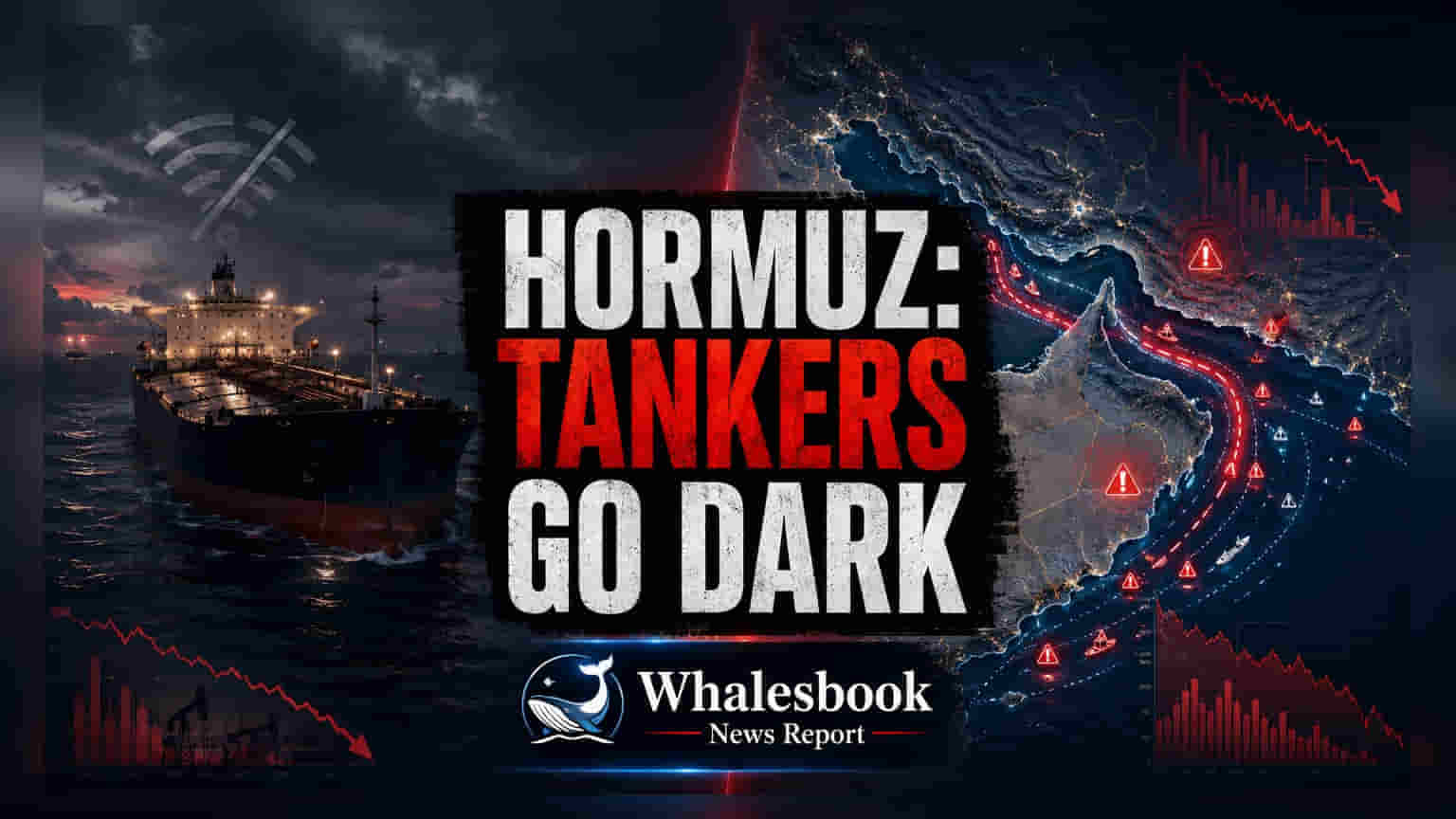


The Logistics of Stealth Transit
The decision by operators to deactivate Automatic Identification Systems (AIS) reflects a calculated shift toward risk mitigation as insurance premiums for Middle Eastern transit continue to climb. By going dark, vessels like the Eagle Veracruz and Nissos Keros attempt to minimize their profile to regional actors while ensuring uninterrupted supply chains for major refiners in India and China. While ship-tracking firms like Kpler and LSEG often fill these intelligence gaps using satellite imagery and port-call data, the underlying trend remains clear: standard operating procedures are being abandoned to avoid the scrutiny that accompanies publicized transit through contested waters.
Impact on Regional Energy Flows
Unlike standard shipping cycles, this behavior introduces a persistent 'risk premium' into the landed cost of crude oil for Asian refineries. Because these vessels are opting for non-transparent transit, they often bypass standard security protocols, which complicates the already strained logistics at the Strait of Hormuz. With major refineries such as those operated by Hindustan Petroleum facing supply sensitivity, the reliance on these stealth movements suggests that traditional, transparent maritime commerce is no longer sufficient to guarantee the steady flow of feedstock. The presence of roughly 20,000 seafarers currently stalled in the Gulf emphasizes that this is not merely a logistical quirk, but a systemic bottleneck affecting the human capital of global trade.
The Bear Case: Structural Risks
Investors must weigh the long-term sustainability of this 'dark' shipping model against the potential for significant legal and safety blowback. Operating without active transponders increases the risk of collision, especially in a chokepoint as congested as the Strait of Hormuz. Furthermore, international maritime regulators and insurance providers have intensified their crackdown on such practices, often resulting in heavy fines or the blacklisting of vessels from major insurance syndicates. If a spill or incident occurs involving a ship with its transponder disabled, the liability exposure for the charterers and the owners is catastrophic. Reliance on these tactics suggests that the supply chain is currently prioritizing immediate volume over long-term compliance, which may lead to significant operational disruptions if maritime authorities move to enforce mandatory AIS connectivity with greater stringency.
Market Outlook and Energy Dependencies
Expect continued volatility in freight rates for tankers operating in the Middle East, as the cost of insuring vessels in these zones remains elevated. Analysts suggest that until diplomatic stability returns to the region, energy importers will continue to accept the higher operational costs associated with these clandestine maneuvers. The reliance on Chinese and Indian refineries to absorb these volumes underscores a critical dependency that current geopolitical tensions are unlikely to resolve in the near term.