

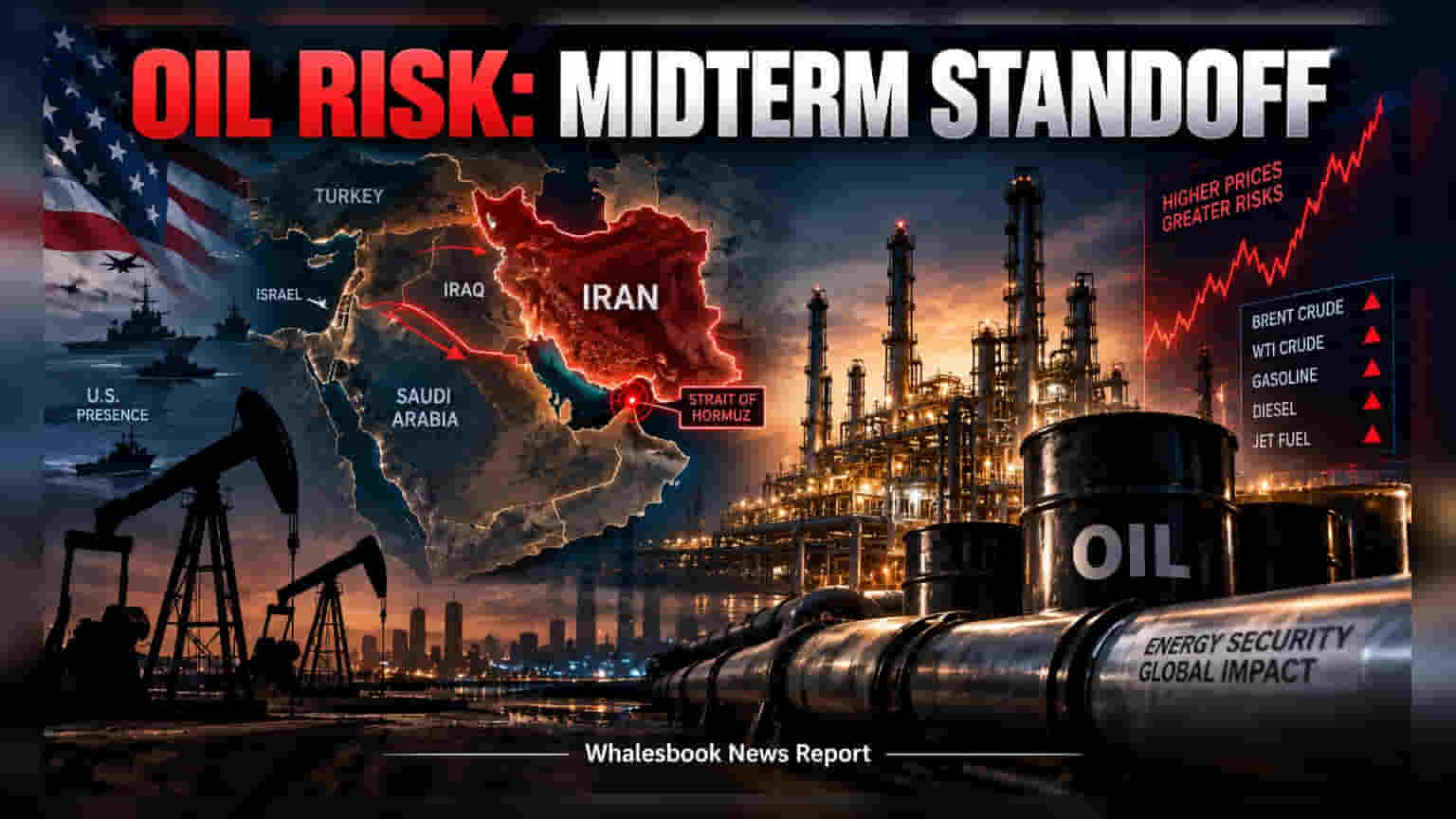
Global strategist Chris Wood warns that the Iran-US diplomatic standoff will likely persist until the US midterm elections, increasing energy market uncertainty. He highlights that markets are ignoring the shock in refined fuel prices, while China’s oil leverage remains a critical risk. For Indian investors, this suggests continued pressure on energy import costs, which directly affects domestic inflation, the rupee, and profit margins for oil-dependent sectors.
Global equity strategist Chris Wood has cautioned that the ongoing friction between the US and Iran is unlikely to cool down before the upcoming US midterm elections. This geopolitical standoff creates a risk of continued volatility in energy markets. According to Wood, any path toward de-escalation is currently stalled, keeping energy prices vulnerable to sudden geopolitical shocks.
Why Energy Markets May Stay Volatile
While investors often track benchmark crude oil prices, Wood suggests the market is underestimating the true stress in energy markets by ignoring refined product prices. Refined products, such as petrol and diesel, are currently showing price trends that diverge from crude oil. This difference acts as a warning sign of systemic stress, particularly in regions like Europe, where industrial energy costs remain significantly higher than in the US. The concern is that if global markets focus only on crude, they may miss the real economic impact of rising fuel derivative costs.
Another major factor is China's evolving role in the energy market. China is currently the most influential player due to its large oil stockpiles and its ability to shift global demand. While the country's move toward electric vehicles has reduced some demand for oil, Beijing still holds the strategic power to influence prices by rapidly increasing its oil purchases. If China decides to exercise this influence, it could trigger price spikes, creating political pressure on Western administrations and changing the landscape of the Iran-US standoff.
The India Connection: What Investors Should Know
For Indian investors, these global developments carry significant weight. India relies on imports for more than 85% of its crude oil requirements. When geopolitical tensions drive global energy prices higher, it directly impacts India's balance sheet through a higher import bill. This can lead to broader economic effects, such as pressure on the Indian rupee and potential concerns regarding retail inflation.
Investors typically look at how such volatility impacts Indian Oil Marketing Companies like Indian Oil Corporation, BPCL, and HPCL, whose margins are sensitive to global pricing trends and government-regulated fuel prices. Furthermore, sectors like aviation, logistics, and manufacturing, which are heavy consumers of energy, often see their operating costs rise when energy prices spike, which can hurt their quarterly profit margins.
Moving forward, market participants will likely keep a close watch on Brent crude price movements and any updates regarding the diplomatic situation between the US and Iran. The key monitorable for the domestic market will be the trend in import costs and how they influence the broader inflationary environment, as well as the operational performance of oil-dependent Indian companies.