

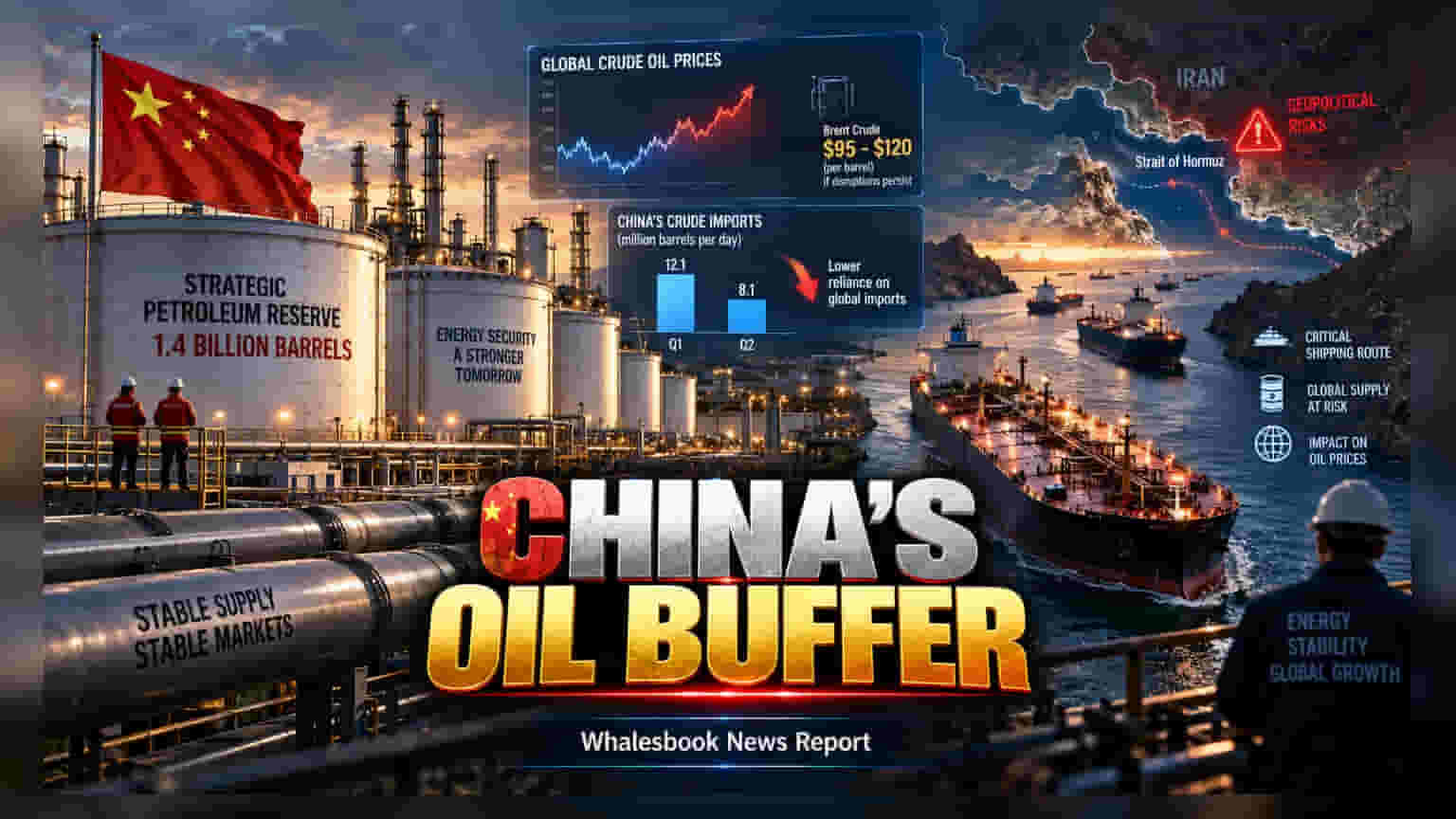
China's use of its 1.4 billion barrel strategic oil reserve has helped limit price spikes during recent Middle East tensions. By reducing daily imports from 12.1 million barrels to 8.1 million barrels in the second quarter, China has eased global supply pressure. This development is crucial for major oil importers like India, where energy costs directly influence inflation, trade deficits, and currency stability.
Global oil markets have shown surprising resilience to Middle East tensions, partly because of China's energy security strategy. Instead of aggressively buying crude during recent supply uncertainty, China has turned to its massive strategic stockpile. This move has reduced the country's reliance on daily global imports, helping prevent a more drastic price surge in international markets.
The scale of this strategic reserve is significant. By the end of last year, the country held approximately 1.4 billion barrels of oil in reserve. This inventory allowed China to significantly lower its daily import volume. During the second quarter, crude imports dropped to about 8.1 million barrels per day, down from roughly 12.1 million barrels per day in the first quarter. This reduction effectively lowers demand for the global spot market at a time when other nations might otherwise be scrambling for supplies.
Despite this buffer, the threat to energy supplies remains very real. The ongoing conflict in the Middle East continues to put shipping routes at risk, particularly the Strait of Hormuz. This narrow waterway is a vital passage for the world's oil tankers. Any physical damage to regional energy infrastructure or a potential blockage of these routes could still trigger a significant price spike. Market forecasts suggest that if disruptions last longer than expected, Brent crude could face upward pressure, potentially trading between $95 and $120 per barrel.
For Indian market participants, this dynamic is particularly important. India imports a large portion of its oil requirements, and global crude prices are a key factor in domestic inflation, corporate profit margins, and the performance of the Indian rupee. A stable global oil price helps keep India's trade deficit in check and reduces the strain on the broader economy.
Looking ahead, the stability of these prices will depend on two main factors: how long China continues to draw from its reserves and whether Middle East tensions escalate further. While the long-term adoption of electric vehicles and alternative energy sources is gradually reducing China's dependence on crude oil, its current management of inventories remains one of the most effective tools for protecting global markets from extreme volatility. Investors should keep an eye on upcoming energy supply reports and any new developments affecting shipping routes in the Middle East.