

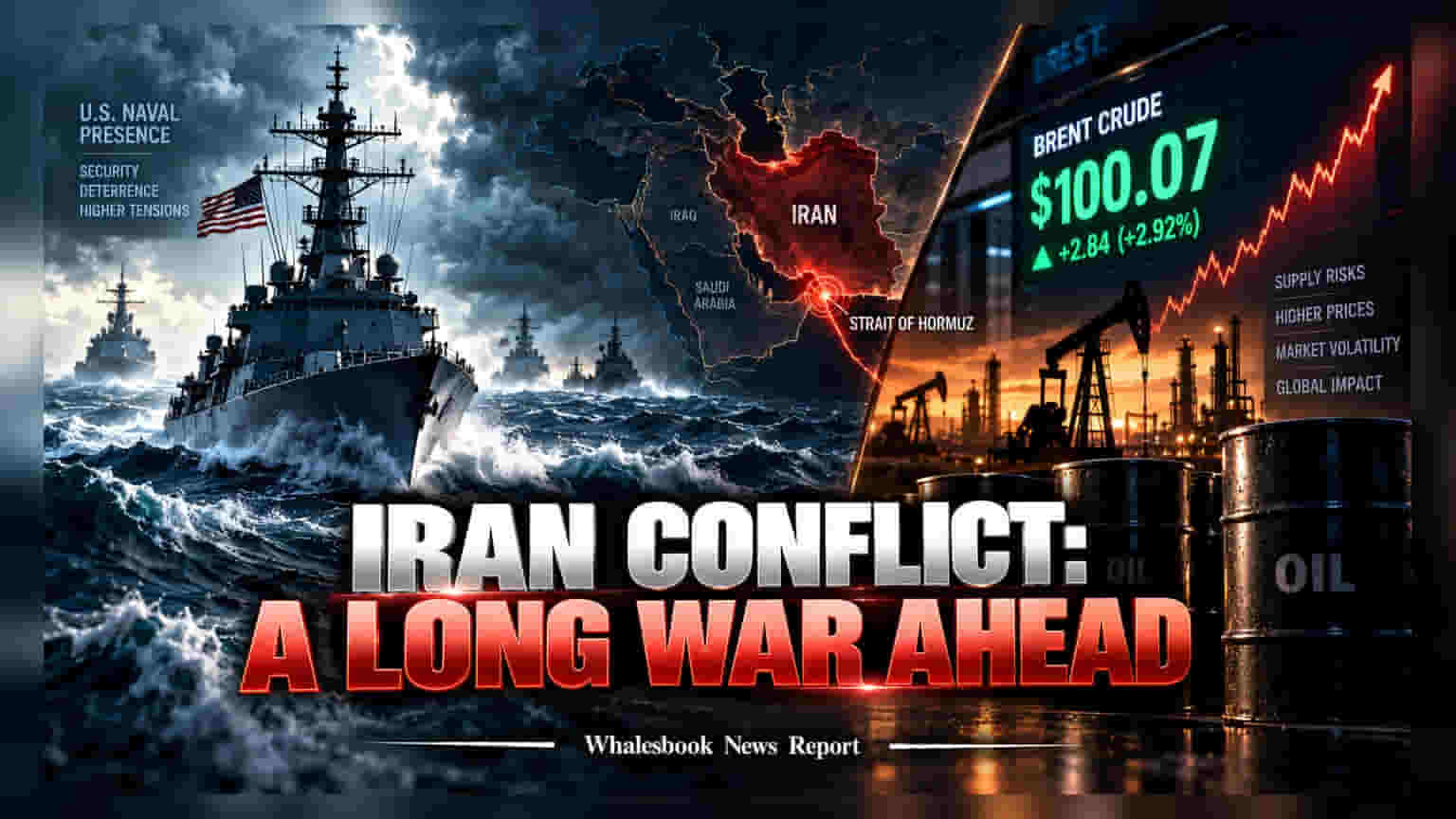
Recent claims suggesting an extended timeline for Middle East conflicts lack official verification. Investors should prioritize data from authorized government sources and credible energy market monitors, as unverified reports can lead to unnecessary market volatility and misinformed risk assessment.
In the current volatile geopolitical environment, market participants are increasingly encountering reports regarding potential shifts in international policy and regional conflict timelines. As of September 10, 2026, claims suggesting that US administration officials have projected a specific conflict duration extending into 2029 remain unsubstantiated by official exchange filings, government press releases, or coverage from credible financial news organizations.
For investors, distinguishing between confirmed policy updates and speculative narratives is essential for effective risk management. Unverified reports, particularly those concerning sensitive regions like the Strait of Hormuz or energy supply chains, can artificially influence investor sentiment and create short-term fluctuations in energy assets like Brent crude. When information lacks verification, it does not necessarily represent the tactical reality on the ground or the official stance of relevant government bodies.
The Importance of Verified Data in Energy Markets
Energy markets are fundamentally driven by supply, demand, and geopolitical stability. Reliance on unsubstantiated reports can lead to an inaccurate assessment of energy sector risks. Institutional and retail investors are often best served by tracking data from recognized authorities such as the US Energy Information Administration (EIA), official naval or maritime security updates, and verified corporate filings. When assessing the impact of regional instability, data points such as actual transit volumes, confirmed insurance premiums for shipping, and official government advisories provide a more accurate picture than circulating rumours.
Navigating Geopolitical Risk
Geopolitical tension often brings uncertainty, which naturally affects market sentiment. However, the most successful investment strategies in such periods are those grounded in verifiable facts rather than speculation. If a claim does not appear in official communications from the White House, the Department of State, or established international maritime monitoring agencies, it should be treated with significant skepticism.
Investors are encouraged to scrutinize the source of any information that suggests drastic changes to global energy supplies or long-term policy shifts. Relying on verified information helps avoid 'noise' that does not reflect actual economic or political changes. The primary monitorable for investors remains official updates from government channels and factual reports from verified global energy news providers. Until official confirmations are released regarding any significant policy changes or strategic shifts, market participants may choose to focus on established macroeconomic indicators and existing verified fundamentals.