

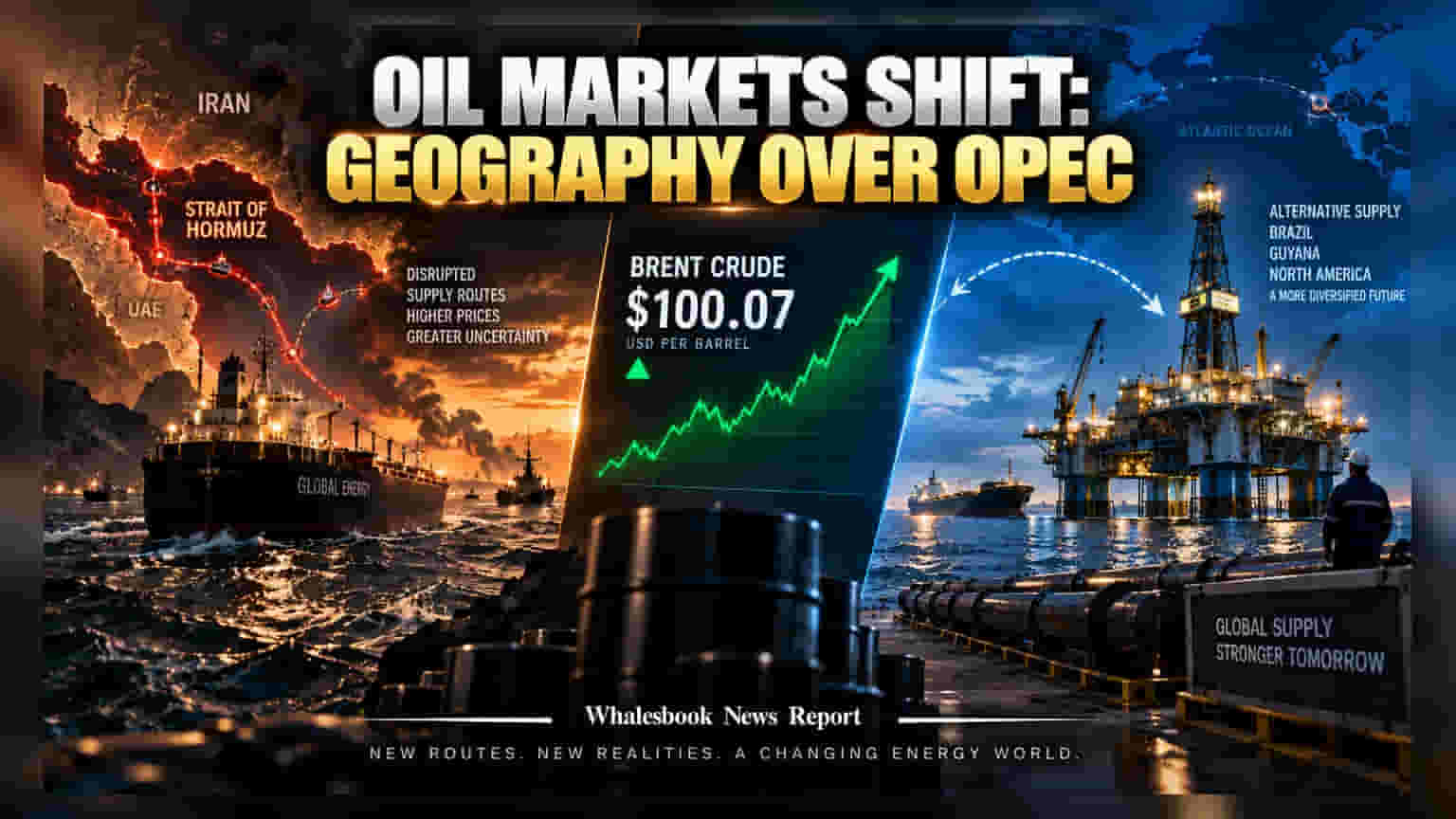
Brent crude oil prices have climbed above $100 per barrel for the first time since July 2024 due to escalating tensions in the Middle East. With shipping through the Strait of Hormuz significantly reduced, Indian investors face potential headwinds from inflation, currency depreciation, and margin pressure on import-dependent industries.
Global energy markets are witnessing a structural change as Brent crude oil futures crossed the $100 per barrel mark on September 9, 2026, reaching levels not seen since July 2024. This rise follows a sharp escalation in the U.S.-Iran conflict, marked by military strikes on tankers and energy infrastructure. For the Indian market, this development is critical not just because of the price spike, but because of the disruption to the supply chain that the country relies on for its energy imports.
The most direct impact of the current geopolitical tension is visible in the Strait of Hormuz, a narrow waterway that serves as a vital artery for global oil trade. Transit volumes have plummeted, with average daily vessel crossings dropping to between 10 and 13, compared to approximately 125 before the conflict intensified. This blockage makes the Gulf-centric supply model increasingly unreliable, forcing the global market to look for alternatives in regions like Brazil, Guyana, and North America. However, these shifts in supply routes take time and cannot immediately offset the loss of volume from the Middle East.
For Indian investors, the situation brings specific macroeconomic risks. India is a major importer of crude oil, and higher prices typically lead to a widening trade deficit and pressure on the Indian Rupee. As the currency weakens, the cost of importing essential goods rises, which can fuel domestic inflation. Over the past three trading sessions, the Nifty and Sensex have faced downward pressure as market participants recalibrate their expectations for corporate earnings. The concern is that companies in sectors such as aviation, manufacturing, and consumer goods may struggle to protect their profit margins if fuel and logistics costs remain elevated for a prolonged period.
Furthermore, market observers are noting the influence of political cycles on energy prices. With the U.S. midterm elections approaching in November 2026, there is little expectation of immediate policy intervention to cool down oil prices. This suggests that the current volatility may persist, keeping pressure on emerging markets that are sensitive to energy costs.
Looking ahead, investors should monitor how companies manage their operational costs in this environment. The ability of businesses to pass on higher fuel costs to consumers without destroying demand will be a key differentiator. Additionally, the tracking of India's import bill and the stability of the rupee will provide a clearer picture of the macroeconomic impact. While China continues to act as a balancing agent in the global energy market, the primary monitorable for Indian shareholders remains the stability of the Strait of Hormuz and the subsequent impact on inflation data.