

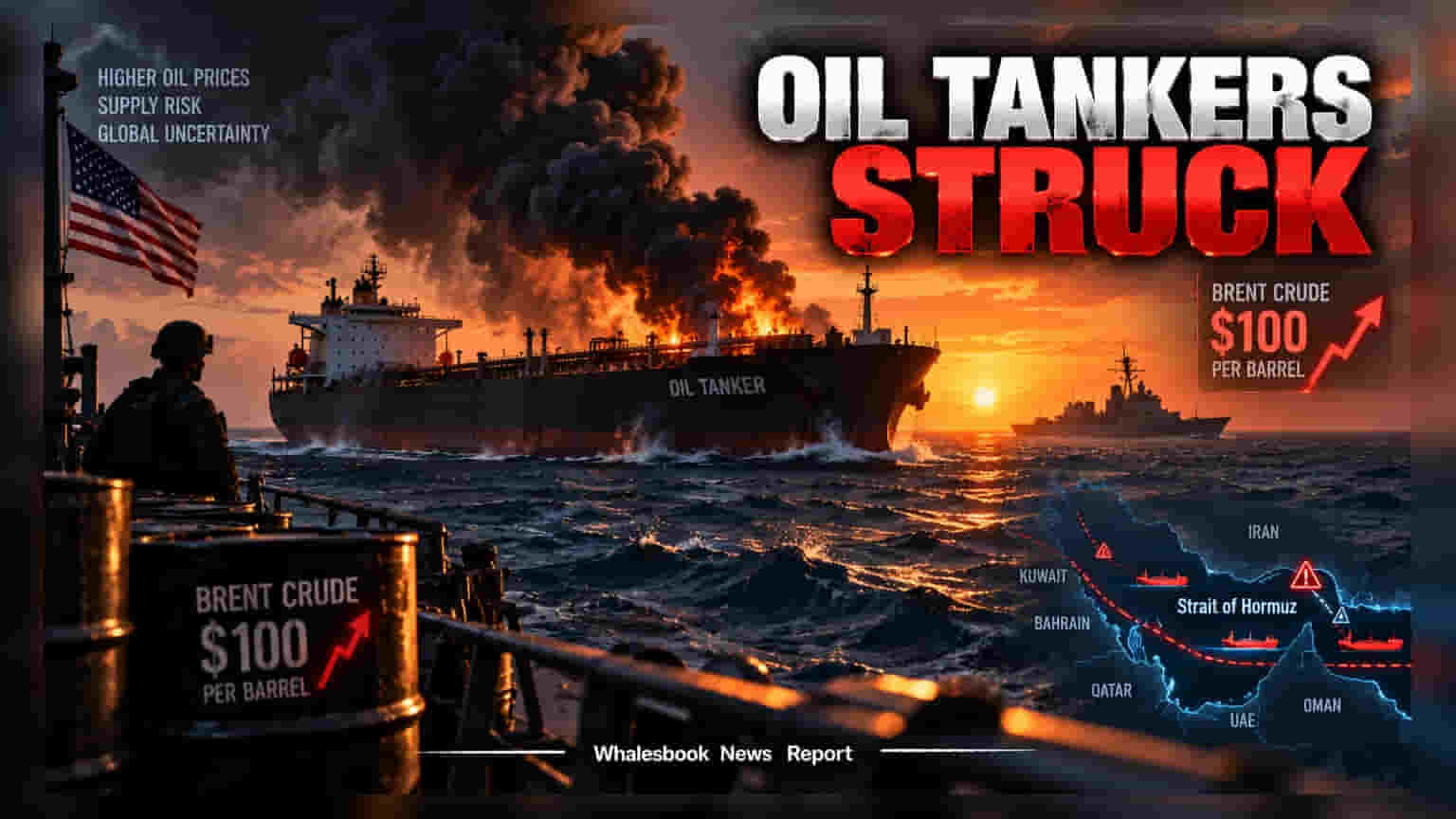
Brent crude prices surged toward $99.49 per barrel after the US military destroyed five Iranian oil tankers on September 8. For Indian investors, this spike creates concerns about the country's oil import bill and potential inflationary pressure. The focus now shifts to how this conflict impacts Oil Marketing Companies (OMCs) and the broader trade deficit.
Global energy markets reacted sharply to geopolitical tensions on Wednesday, September 9, 2026, as Brent crude futures climbed toward $100 per barrel. The surge followed the US military's confirmation that it destroyed five Iranian oil tankers near the Gulf of Oman on September 8. This military action was a response to ballistic missile attacks launched by Iran's Islamic Revolutionary Guard Corps against US naval assets.
The conflict, which has been ongoing since February 2026, has reached a critical stage. With the Strait of Hormuz serving as a vital chokepoint for global oil supply, any further escalation poses a risk of supply disruptions. For India, which depends on imports for over 85% of its crude oil needs, this rise in global prices creates significant economic challenges.
Impact on Indian Markets and Sectors
Higher global crude oil prices generally lead to a widening trade deficit for India. A weaker Rupee often accompanies high oil prices because oil importers must purchase more dollars to pay for the commodity. This environment creates different pressures for various sectors within the Indian stock market.
Oil Marketing Companies, such as Bharat Petroleum, Hindustan Petroleum, and Indian Oil Corporation, often face margin pressure during periods of high crude oil prices. If these companies cannot fully pass on the cost to retail consumers through higher petrol and diesel prices, their profitability may decline. Investors typically monitor the government’s stance on retail fuel pricing to understand how these companies will manage their profit margins.
In contrast, upstream companies like ONGC and Oil India may see a different impact. These companies extract and sell crude oil. When global prices are high, they often realize better prices for their output, which can support their revenue and earnings. However, this is also dependent on government-mandated taxes or subsidies on crude production.
Other sectors, such as airlines, paint manufacturers, and chemical companies, may face rising input costs. These industries rely on oil derivatives or aviation turbine fuel, and prolonged high prices can pressure their bottom lines.
Risk and Future Monitorables
The situation remains fluid as both sides engage in retaliatory actions. The primary concern for global energy markets is the security of shipping lanes in the Persian Gulf. If tensions lead to a disruption in tanker traffic, supply chain constraints could keep oil prices elevated for an extended period. Additionally, the recent US sanctions targeting Iranian aviation and cargo entities add another layer of complexity to global trade.
For investors, the key monitorables are the daily movement of Brent crude prices, the Indian Rupee’s stability against the US dollar, and any government policy updates regarding fuel subsidies or retail pricing. Market watchers will also track the quarterly performance of OMCs to see how management navigates these volatile price conditions.