

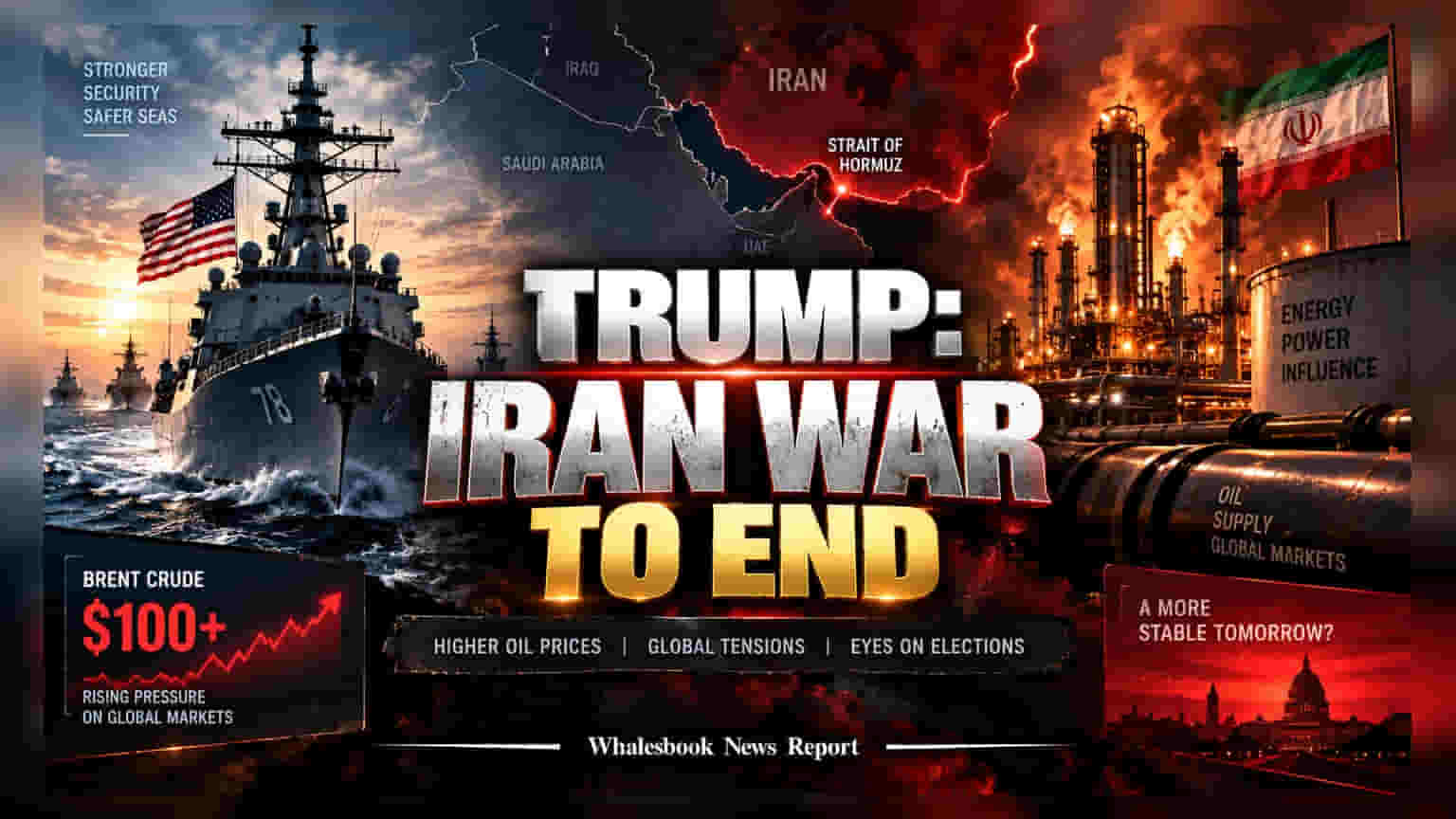
Brent crude oil prices have crossed $100 per barrel following intense military friction in the Strait of Hormuz. President Donald Trump has stated that the conflict with Iran will end after the November 3 midterm elections. For Indian investors, this rise in oil prices raises concerns regarding inflation, currency pressure, and input costs for domestic manufacturers.
Global energy markets are facing heightened volatility as Brent crude oil prices breached the 100-dollar threshold on September 9, 2026. This surge follows intensifying military engagement in the Strait of Hormuz, a critical maritime corridor for global oil transport. The escalation has coincided with a statement from US President Donald Trump, who forecast that the ongoing conflict with Iran, which began on February 28, 2026, will conclude following the United States midterm elections scheduled for November 3, 2026.
The Impact on Global and Indian Markets
The Strait of Hormuz is a vital channel for global energy supplies, and any disruption in this region creates immediate ripples in the global commodity market. For Indian investors, the rise in crude oil prices serves as a significant macroeconomic indicator. India imports a large portion of its total oil requirement, and sustained high prices can exert pressure on the Indian rupee and the country’s current account deficit.
When global crude prices remain high, it often leads to increased input costs for domestic industries. Sectors such as oil marketing companies, paints, tyres, and aviation are particularly sensitive to fluctuations in fuel costs. Increased crude prices can squeeze profit margins for companies in these sectors unless they can successfully pass the additional costs to consumers. Furthermore, higher energy costs contribute to broader inflationary pressures, which investors track closely to understand the potential path of interest rates and economic growth.
Geopolitical and Electoral Factors
The current military tension has reached a six-month milestone since the conflict erupted earlier this year. The situation involves reports of naval engagement and strikes on energy infrastructure, which traders have viewed as a direct threat to supply chain stability. President Trump’s assertion that the conflict will subside post-election adds a political layer to the market narrative. While the administration indicates it is not pursuing active formal negotiations, the political focus remains on the upcoming November 3 vote.
From an investor’s perspective, the primary monitorables remain the stability of crude oil prices, the status of the Strait of Hormuz transit, and the potential impact of energy costs on corporate earnings. Whether the conflict de-escalates as predicted remains a significant point of uncertainty for global markets. Investors may continue to track official updates from energy agencies regarding supply, as well as inflation data that could be influenced by these fluctuating energy costs.