

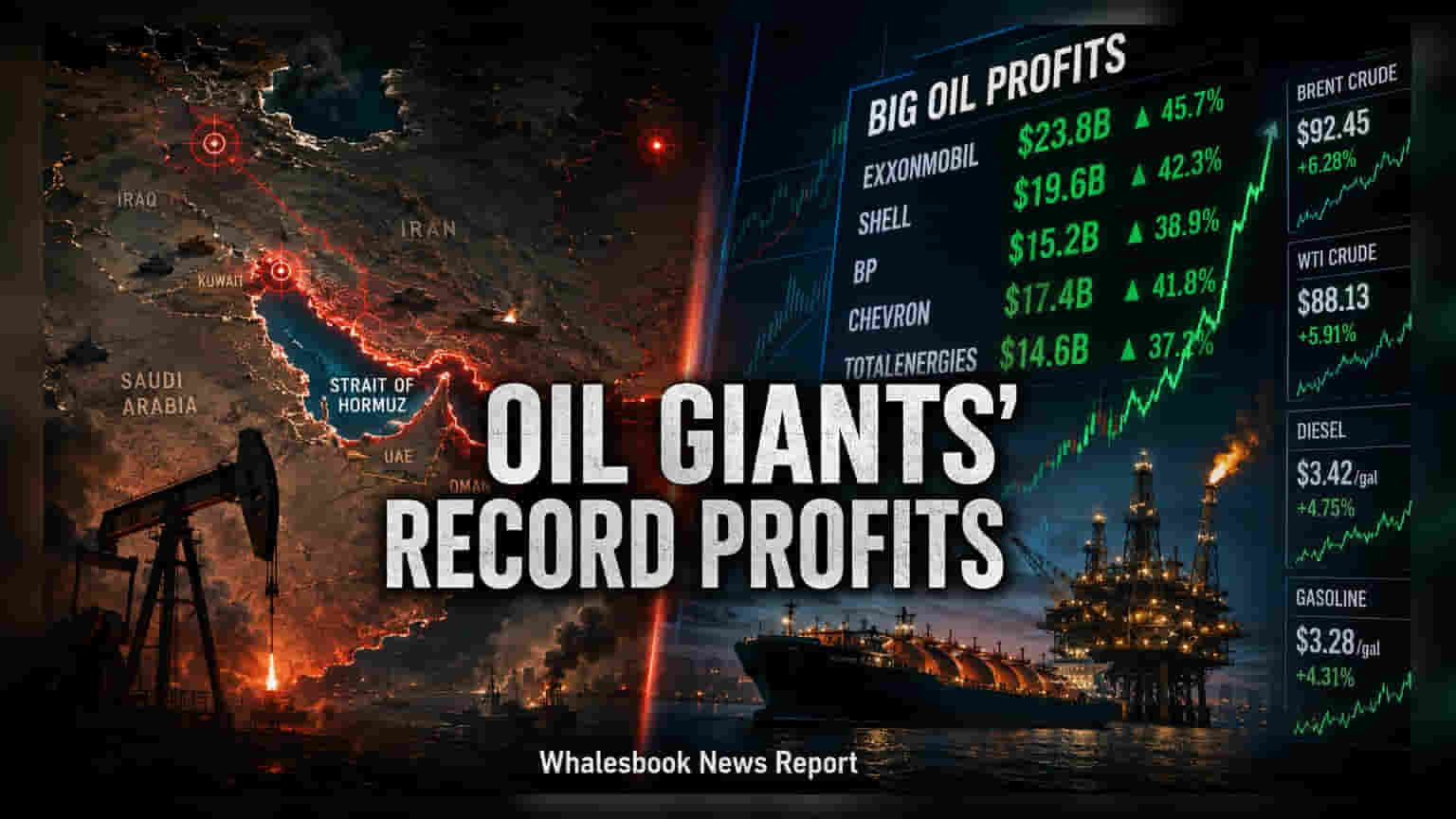
Global oil supermajors are projected to record $45.8 billion in combined quarterly earnings as high crude prices and refining margins boost performance. While geopolitical tensions have driven up fuel costs, the sustained demand for gasoline and diesel continues to benefit integrated energy companies. Investors are now tracking how elevated refining profits and potential political scrutiny might influence future capital allocation and sector valuations.
Detailed Coverage
Global energy supermajors are positioned for a significant earnings period, with analysts estimating combined profits of $45.8 billion for the quarter. This performance is largely driven by a combination of high crude oil prices and robust refining margins, as disruptions in global energy markets have kept fuel prices elevated.
Refining Margins and Market Volatility
While crude oil prices experienced a period of extreme volatility earlier this year—reaching over $120 a barrel following the closure of the Strait of Hormuz—the primary driver for recent earnings has been the strength of refined products like gasoline, diesel, and jet fuel. Even as crude prices moderated in May and June due to fluctuating demand from major economies and increased shipments, the price of refined distillates has remained high. This margin environment has particularly benefited integrated oil companies with extensive trading arms and large-scale refining assets along the US Gulf Coast.
Performance of Global Majors
Stock market performance throughout the year has tracked the sector's financial trajectory. TotalEnergies SE has seen a year-to-date gain of over 30%, while BP Plc and Shell Plc have each recorded gains exceeding 20%. Similarly, major US-based energy corporations have experienced valuation increases of approximately 25%. These gains reflect the market's expectation that integrated energy firms can maintain strong profitability despite shifts in underlying commodity prices.
Investor Context and Potential Risks
While the current environment is supportive of earnings, several factors warrant close observation. The sustained high cost of refined products is contributing to global inflationary pressures, which has historically invited increased political scrutiny, particularly in the United States. Furthermore, if refined product prices remain elevated, they may eventually impact consumer demand and economic activity. For investors, the long-term outlook for the sector will likely depend on how companies balance these windfall profits with capital spending on energy transition projects versus returning cash to shareholders. Moving forward, the most important indicators to monitor will be refining margin trends in the coming months, updates on geopolitical stability in major shipping lanes, and any new regulatory policies or windfall tax discussions that may emerge as a result of sustained high gasoline prices.