

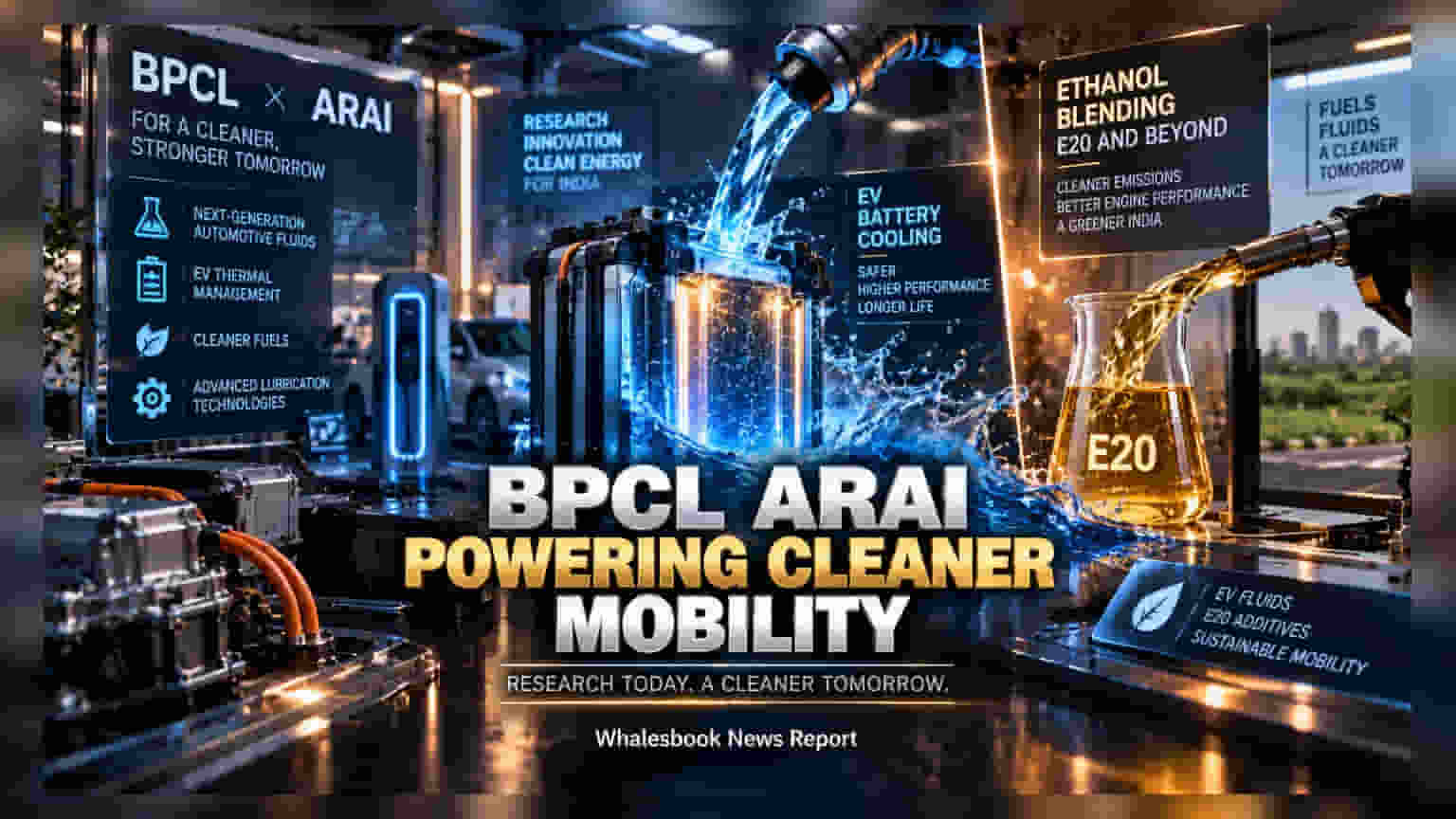
Bharat Petroleum (BPCL) has signed a pact with the Automotive Research Association of India (ARAI) to develop advanced battery cooling fluids for electric vehicles and fuel additives for ethanol-blended petrol. This strategic move aims to help the oil company adapt its product portfolio to meet evolving emission standards and the growing demand for new-age mobility solutions.
Bharat Petroleum Corporation Limited (BPCL) and the Automotive Research Association of India (ARAI) have formalized a collaboration to focus on research into next-generation automotive fluids and fuel technologies. This initiative targets the technical challenges arising from India's shift toward electric vehicles and the government's mandate to increase ethanol blending in petrol. As the automotive industry undergoes significant regulatory and structural changes, major oil marketers are increasingly looking to align their product portfolios with cleaner energy and efficiency requirements.
Focus on EV Thermal Management
Electric vehicles generate significant heat, particularly during high-speed fast charging. The joint research initiative will focus on developing dielectric fluids, which are specialized liquids designed to cool battery cells directly. The companies aim to move toward immersion cooling systems, which allow for better temperature management compared to traditional cooling methods. For an oil company like BPCL, this is a strategic effort to enter the EV component ecosystem by leveraging its established expertise in lubrication chemistry. The success of this segment will depend on the company's ability to develop products that meet the technical requirements of automotive manufacturers and to scale these offerings commercially.
Supporting Ethanol-Blended Fuel
The collaboration also addresses the need for robust fuel additives as India increases ethanol blending in petrol, such as the E20 mandate. Higher ethanol content can alter fuel chemistry, which may affect engine performance and longevity if not properly managed. The research aims to develop formulations that help engines run efficiently on these cleaner fuel blends. By addressing these technical gaps, BPCL is working to ensure that its product offerings remain relevant as the regulatory landscape shifts away from pure fossil fuels toward lower-emission alternatives.
Investor Context and Monitorables
For oil marketing companies, profitability is historically tied to global crude oil prices and domestic marketing margins. While the core business remains fuel refining and retail, diversifying into specialized areas like e-fluids and performance additives provides a potential long-term growth avenue. However, these niche segments are currently much smaller than the core energy business. Investors may watch the project's execution timeline and future updates on product commercialization. As with any R&D initiative, the financial impact may take time to materialize, and the primary monitorables will be how effectively the company can translate these research outcomes into market-ready products that compete with established global and domestic manufacturers in the lubricant and additive space.