 Whalesbook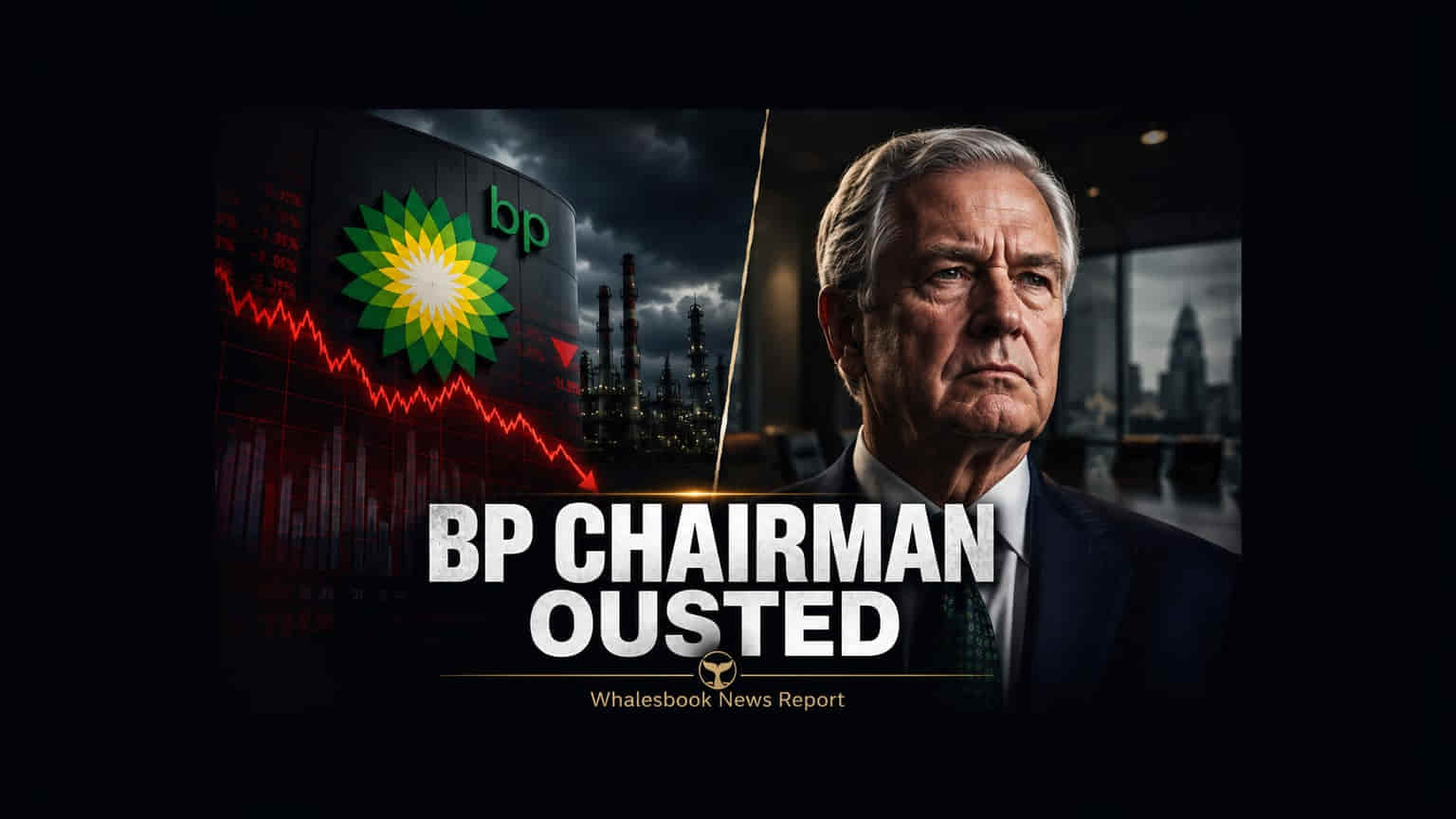


Governance Shakeup at BP
The swift and unanimous dismissal of Albert Manifold from the BP board signifies a major setback in the company's quest for stable, long-term leadership. Although the board pointed to "serious concerns" regarding governance standards and conduct, the lack of specific details has intensified market uncertainty. Reports suggest the board acted after learning of aggressive behavior towards staff and improper handling of sensitive information. For a company that has seen multiple CEOs and chairmen in under three years, this event indicates that the promised cultural transformation for investors is still far off.
Operations Shine Despite Leadership Turmoil
Despite the negative market reaction, BP's core financial results are largely separate from its boardroom instability. The company has significantly benefited from a strategic shift back to its oil and gas operations, achieving strong returns from its trading desk amidst favorable energy market conditions. CEO Meg O'Neill, who took charge in April 2026, continues to inspire investor confidence with a clear operational mission. Unlike earlier, more experimental periods, the current strategy—focused on capital discipline and upstream efficiency—appears firmly established. Analysts note that while removing a chairman is disruptive, the operational path laid out by the current executive team is a key factor in the stock's valuation, which had gained 20% year-to-date before this week's dip.
Shareholder Concerns and Future Leadership
Critics highlight what they see as a systemic failure in board-level oversight, going beyond any single individual. The decision to block a shareholder proposal at the recent annual meeting, which met with significant investor opposition, already suggested a strained relationship between the board and its institutional shareholders. The narrative of a "volatile boardroom" now presents a tangible risk. With interim chair Ian Tyler tasked with both guiding the company and finding a permanent successor, the extended search for a new chairman could slow strategic execution. If future operational results weaken, the market's tolerance for these ongoing governance issues may decrease, potentially leading to further external pressure or share price volatility.
What's Next for BP
As BP begins its search for its third chairman in three years, the market will be watching closely to see if the board can foster a culture of accountability that matches its operational successes. With a price-to-earnings ratio around 37, investors are paying a premium that relies on the continued execution of its current fossil-fuel-focused strategy. To maintain this valuation, BP must quickly fill its leadership vacancy and demonstrate that its "Reset BP" initiative can withstand the ongoing executive churn.