

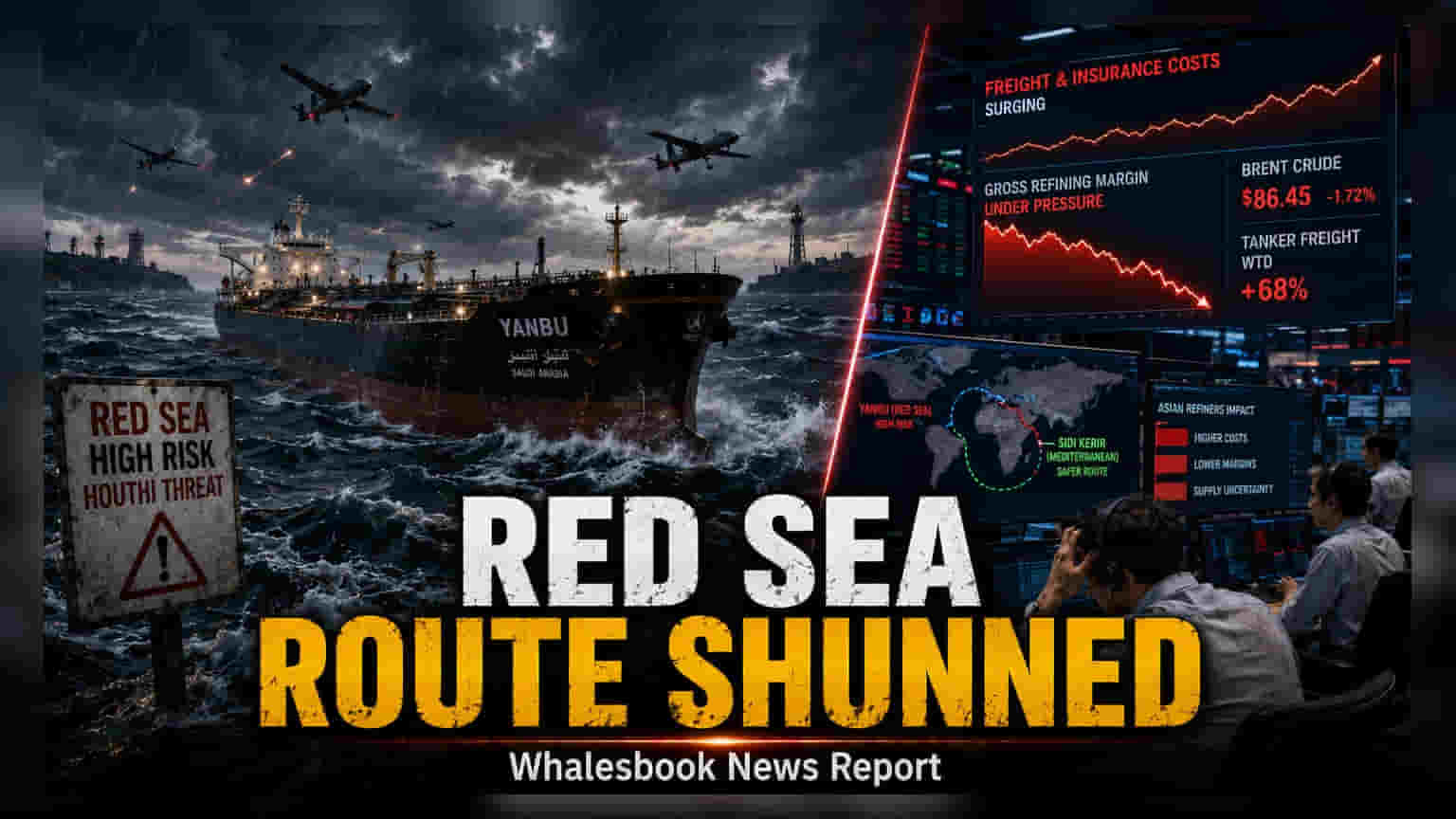
Asian oil refiners are resisting Saudi Aramco’s orders to collect September crude from the Red Sea port of Yanbu due to security threats. This shift to avoid Houthi militant attacks may lead to higher shipping and insurance costs, potentially putting pressure on refinery margins, including for Indian companies.
Asian refiners are increasingly resisting instructions to collect crude oil cargoes from the Red Sea port of Yanbu, citing severe security risks. With escalating attacks by Houthi militants in the region, vessel owners are becoming reluctant to send tankers through the waterway, leading to a standoff between major buyers and Saudi Aramco regarding delivery logistics for September shipments.
At least two major Asian refiners have formally requested to change their pickup location to the Egyptian port of Sidi Kerir on the Mediterranean Sea. While this change would allow tankers to avoid the high-risk Red Sea route, it presents significant logistical complications. Cargoes collected from Sidi Kerir must be transported around Africa to reach Asia, a detour that substantially increases fuel consumption, travel time, and operational costs.
For investors, the primary concern is the potential impact on the profit margins of oil refining companies. Many Asian refineries, including those in India, rely heavily on imports from the Middle East. If refiners are forced to incur higher freight and war-risk insurance premiums to avoid the Red Sea, these added costs could weigh on their Gross Refining Margins. In some cases, traders indicate that the rise in costs could be so steep that refiners might choose to forgo their monthly crude allocations entirely if they cannot secure alternative, cheaper supply sources.
Saudi Aramco has historically managed these allocations as part of its long-term supply contracts. While the company has reportedly agreed to allow some Japanese and South Korean refiners to switch to the safer Mediterranean port, others, including major buyers in China, Taiwan, and India, are currently still being directed to Yanbu. This inconsistency in route options creates a challenging environment for refiners who have limited flexibility in their supply chains.
The situation is further complicated by the increasing number of tankers operating with disabled transponders to evade detection. This practice makes it difficult to track supply flows accurately and raises concerns about the transparency and safety of the global oil supply chain.
Looking ahead, market participants will track whether Aramco offers more flexibility in pickup locations to maintain stable supply volumes for its Asian customers. The key monitorable for shareholders of Indian oil marketing companies will be any sustained rise in freight and insurance costs, which could impact operational efficiency and profit margins in the coming quarters. Any further escalation in regional security tensions remains a critical risk factor for global oil logistics.