 Whalesbook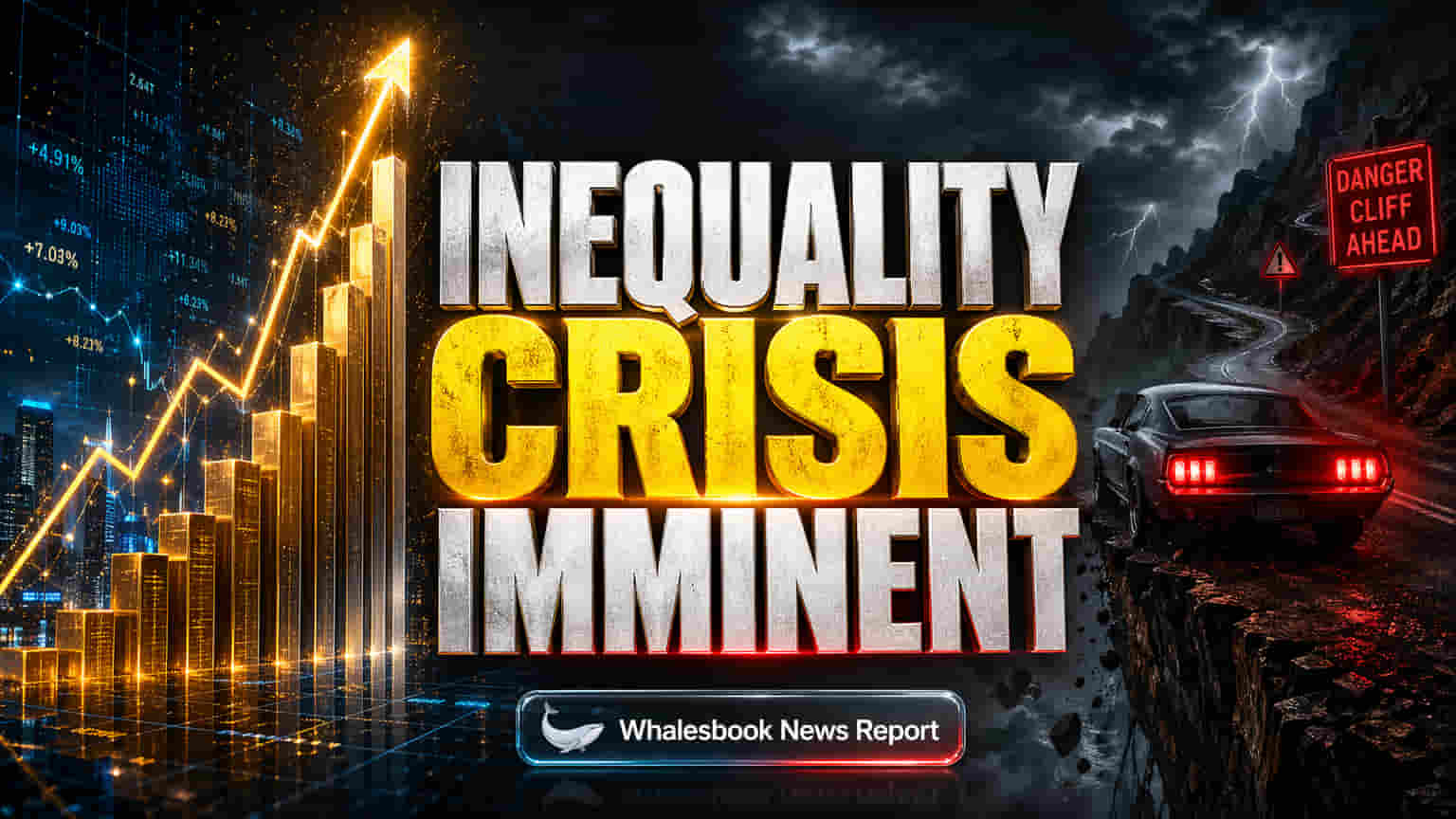


Wealth Gap Seen as Major Economic Danger
Zerodha founder and CEO Nithin Kamath sees growing global wealth inequality as a major economic danger. He warns that wealth concentrating in the hands of the richest 0.1% is creating an unstable economy, like a vehicle speeding towards a cliff with no brakes. Kamath, a key figure in India's fintech industry, believes this trend points to serious problems for market stability and social unity.
Asset Booms Since 2008 Widened the Gap
Kamath traces these concerns back to the persistent rise in asset prices since the 2008 financial crisis. Policies like quantitative easing and low interest rates during that period primarily helped those who owned assets, widening the gap between capital owners and wage earners. While meant to boost economies, these actions led to a divided financial system where benefits were not shared equally. This pattern is global, but particularly stark in India, where the top 1% saw their income and wealth shares hit record highs by 2022-23.
AI Could Make Inequality Worse
The rapid rise of artificial intelligence adds another layer to this issue. While AI offers great economic promise, it also risks worsening existing inequality. Big tech companies and their investors are likely to gain the most from AI, potentially leading to job losses and lower wages for many workers. Nations and businesses without strong skills, connectivity, and regulations could fall further behind, concentrating economic power and opportunity even more. Kamath fears this could intensify social unrest.
India's Fintech Sector Faces Broader Worries
Kamath's warnings come as India's fintech sector is growing rapidly, with new trends like AI adoption and global UPI expansion. However, major players like Groww and Upstox, fierce rivals to Zerodha, operate in an environment concerned with sustainable growth and profitability. The long-term success of these companies depends on overall economic stability and consumer trust, which can be damaged by extreme inequality and growing public dissatisfaction.
Inequality Fuels Social Cynicism and Risk
Kamath's view suggests that extreme inequality breeds widespread cynicism, resentment, and could lead to social and political unrest. Historically, large wealth gaps have often been followed by societal instability and economic crises. When capital sits idle and doesn't benefit society, it can fuel distrust and undermine faith in economic systems. Poor quality economic data in India might even hide the true extent of inequality, making it harder to fix and potentially worsening its impact. This situation poses a significant risk to financial markets and the wider economy.
Market Volatility Meets Data Challenges
Indian stock markets have seen recent volatility, influenced by global events and foreign investor activity. While underlying economic strength offers some support, this uncertainty, combined with the difficulty in accurately measuring deep inequality, creates a complex investment climate. Kamath's warnings about wealth concentration add a hard-to-quantify but significant risk to the long-term outlook.
Outlook: Balancing Growth and Fairness
Nithin Kamath's warnings mark a crucial point where technology meets deep economic divides. AI could make wealth even more concentrated, building on the effects of post-2008 asset booms. Addressing this requires a major change towards policies that ensure wealth and opportunities are shared more widely. Otherwise, the social and economic problems suggested by history and current worries could emerge. The future for markets will depend on managing these competing forces and making sure economic growth benefits everyone.