

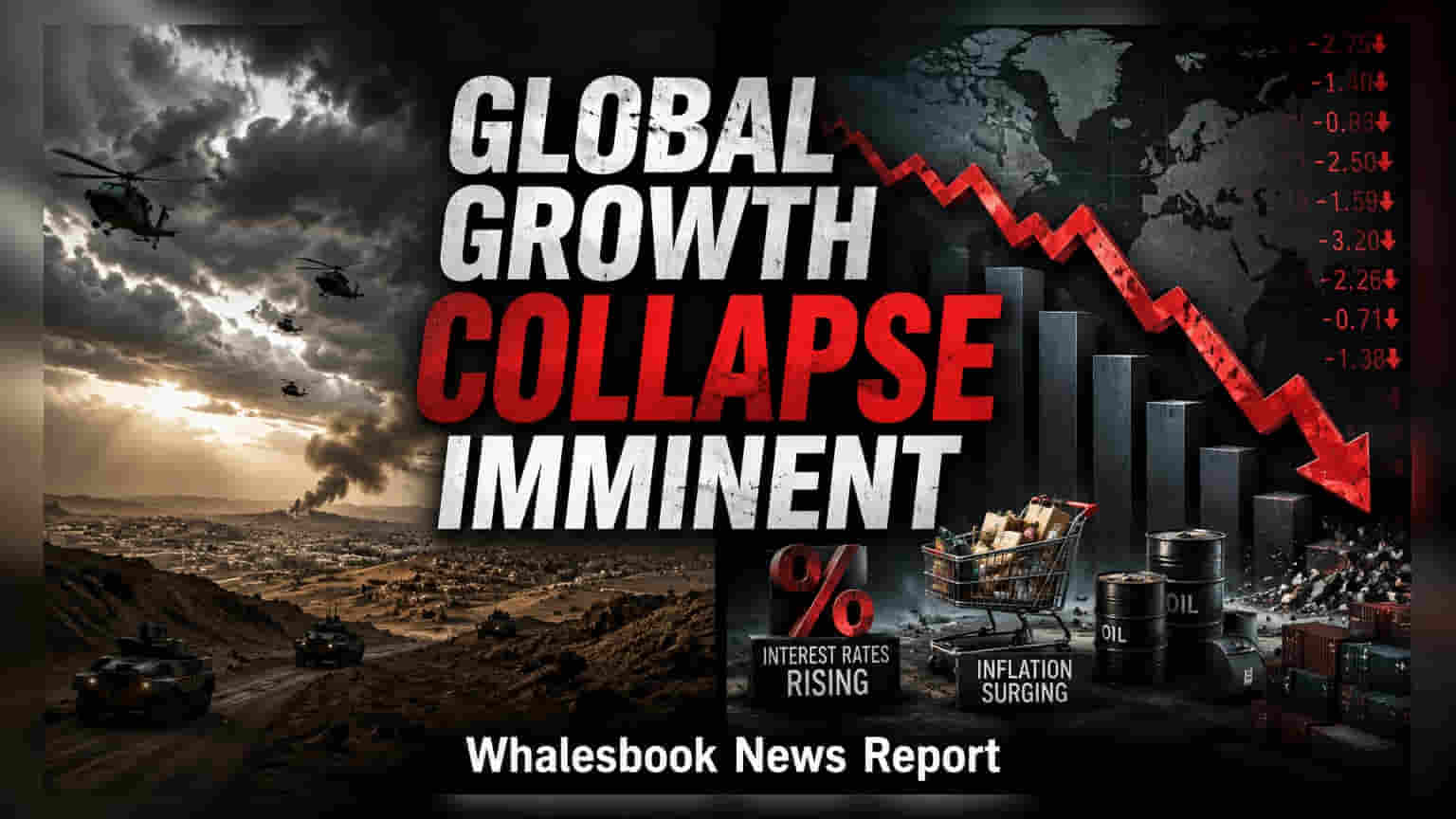
The World Bank projects global economic growth could drop to 1.3% by 2026 if Middle East tensions persist. This slowdown threatens to reignite inflation, keep interest rates elevated, and worsen debt stress for developing economies reliant on stable energy and supply chains.
Detailed Coverage
The global economy faces significant uncertainty as the World Bank warns that escalating Middle East hostilities could severely hinder growth. In its latest assessment, the institution indicated that if the current conflict continues for six months or longer, global economic growth may slide to 1.3% in 2026, down sharply from the 2.9% recorded last year.
Inflation and Energy Supply Risks
A primary concern for the global economy is the potential for renewed inflationary pressure. The World Bank analysis highlights that severe scenarios could push global inflation toward 4.5%. This risk is largely tied to potential disruptions in energy supplies and vital international trade routes. The Strait of Hormuz, a critical chokepoint for global oil shipments, remains a focal point for supply chain vulnerabilities. Any sustained interference with shipping or damage to energy infrastructure would likely keep crude oil prices elevated. For manufacturers and transport sectors worldwide, this would mean higher operating costs that are often passed on to consumers.
Impact on Borrowing Costs and Emerging Markets
The persistence of inflation could force central banks globally to maintain higher interest rates for a longer period. This environment directly affects the cost of borrowing for governments, companies, and individuals. For developing nations, the situation is particularly concerning. According to World Bank data, approximately 32 low- and middle-income countries are already grappling with debt distress or are at high risk.
When global interest rates remain high, these countries often face increased difficulty in managing their debt repayments. This creates a difficult cycle where governments may be forced to divert limited fiscal resources away from essential areas like healthcare, education, and public infrastructure to meet debt obligations. Many of these nations are still working to recover from the economic impact of the COVID-19 pandemic and remain highly sensitive to global trade shocks.
Next Steps for Investors
Investors and market participants may track upcoming data on oil price volatility and global trade volume, as these serve as early indicators of supply chain health. Additionally, monitoring statements from major central banks regarding interest rate paths will be essential to understanding how the macroeconomic environment might shift in the coming months. The ability of global supply chains to navigate these pressures without significant long-term disruption remains a critical monitorable for economic health through 2026.