 Whalesbook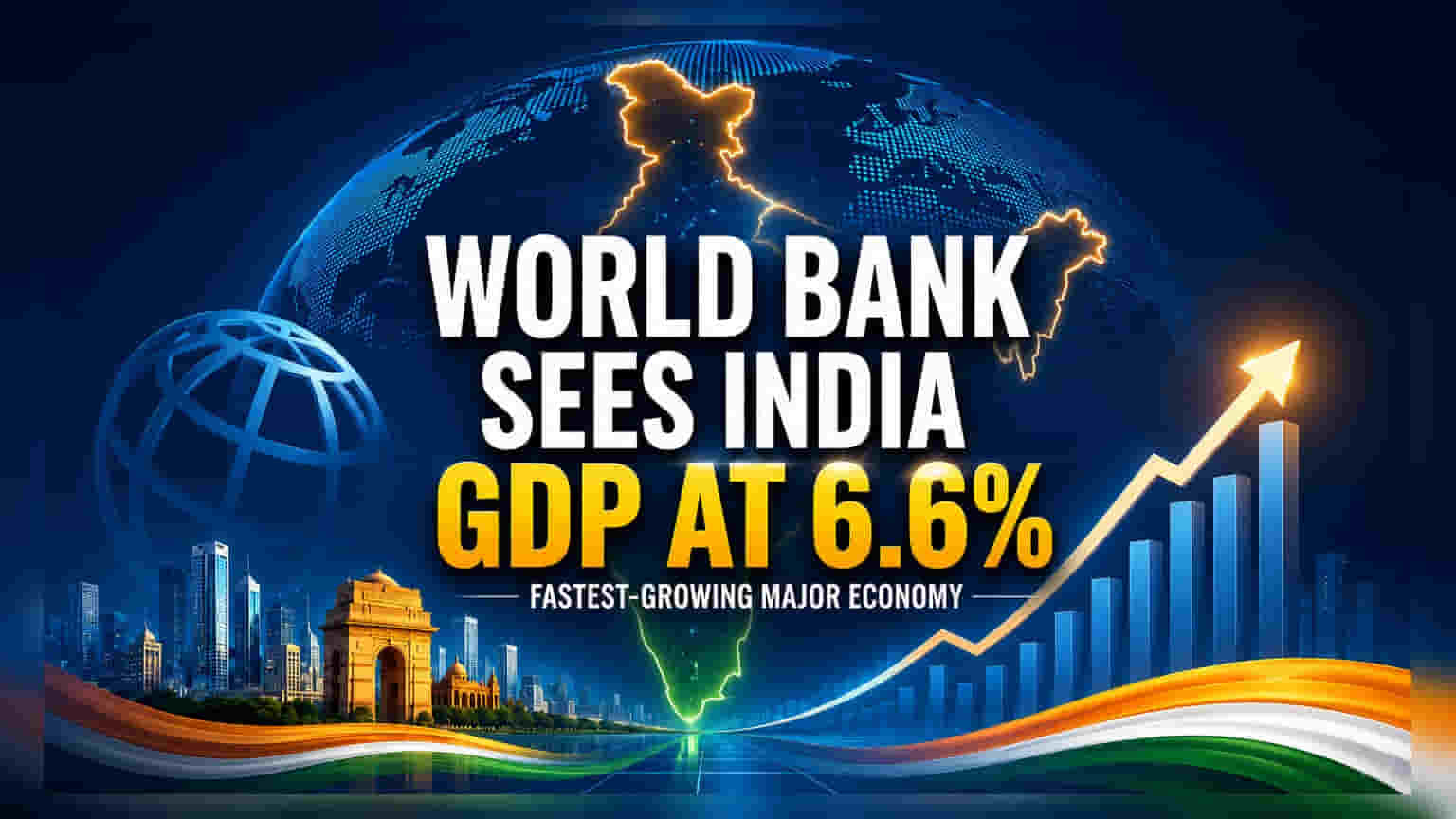


The World Bank expects India to remain the fastest-growing major economy, with GDP projected to expand 6.6% in fiscal year 2026-27. While this is a slowdown from the 7.7% growth in the previous year, the outlook for 2027-28 remains positive. Investors should consider how elevated energy and input costs could affect corporate profit margins, alongside the supportive role of domestic consumption and government policy measures.
What Happened
The World Bank has released its latest economic forecast, projecting India’s GDP to grow by 6.6% in the fiscal year 2026-27. This figure marks a moderation from the 7.7% growth recorded in the preceding fiscal year. Despite this slowdown, the institution maintains that India will continue to be the fastest-growing major economy in the world. The forecast also indicates a potential rebound in momentum for fiscal year 2027-28, with growth expected to accelerate to 7.2%.
Why This Matters For Investors
The headline GDP growth figure is just one part of the story. For equity investors, the report highlights important economic shifts. The primary reason for the expected moderation in growth is the cooling of private demand, driven by higher energy and raw material costs. When input costs rise, it often creates pressure on the profit margins of manufacturing and industrial companies. Investors may need to keep a close watch on how different sectors manage these rising costs in their upcoming quarterly results.
The Consumption Story
One of the bright spots in the report is the resilience of domestic demand. Private consumption, particularly in rural areas, has shown significant strength. This is often a positive indicator for companies in the FMCG (Fast-Moving Consumer Goods), two-wheeler, and consumer discretionary sectors, as rural economic health directly impacts their sales volume. Urban demand is also noted as being in a recovery phase. The report suggests that government interventions, such as potential adjustments in Goods and Services Tax (GST) rates and fuel taxes, are acting as a buffer to protect consumer spending power against inflationary pressures.
The Global Context
Compared to many other Emerging Markets and Developing Economies (EMDEs), India stands out for its relative stability. The World Bank report suggests that many other developing nations are facing a difficult period, with a decade of lost income convergence with advanced economies by 2028. India’s ability to maintain growth, even amidst global uncertainties and conflicts, helps it remain a distinct market in the global investment landscape. Furthermore, the report notes that trade agreements and potential tariff adjustments in the United States could help mitigate the impact of weaker external demand on Indian merchandise exports, supporting sectors like manufacturing and IT services.
What Could Go Wrong
While the outlook is generally optimistic, investors should remain aware of potential risks. The report identifies elevated energy and input costs as key challenges that could dampen private demand. If these costs stay high or increase, it could force companies to either absorb the expense—hurting their bottom line—or pass it on to consumers, which might slow down sales. Additionally, while rural demand is currently resilient, any unforeseen shock to the agricultural cycle or major disruptions in global trade flows could alter the growth trajectory.
What Investors Should Track
As the fiscal year progresses, investors may want to monitor a few specific indicators. First, watch for commentary in corporate earnings regarding raw material cost pressure and the ability to maintain profit margins. Second, observe trends in rural and urban consumption data, which often surface in monthly sales figures for automobiles and consumer goods. Finally, tracking government policy announcements regarding taxes and infrastructure spending will be important, as these measures are currently supporting economic activity. The Reserve Bank of India’s stance on interest rates in response to inflation will also be a critical factor to observe, as it impacts the cost of borrowing for both businesses and consumers.