

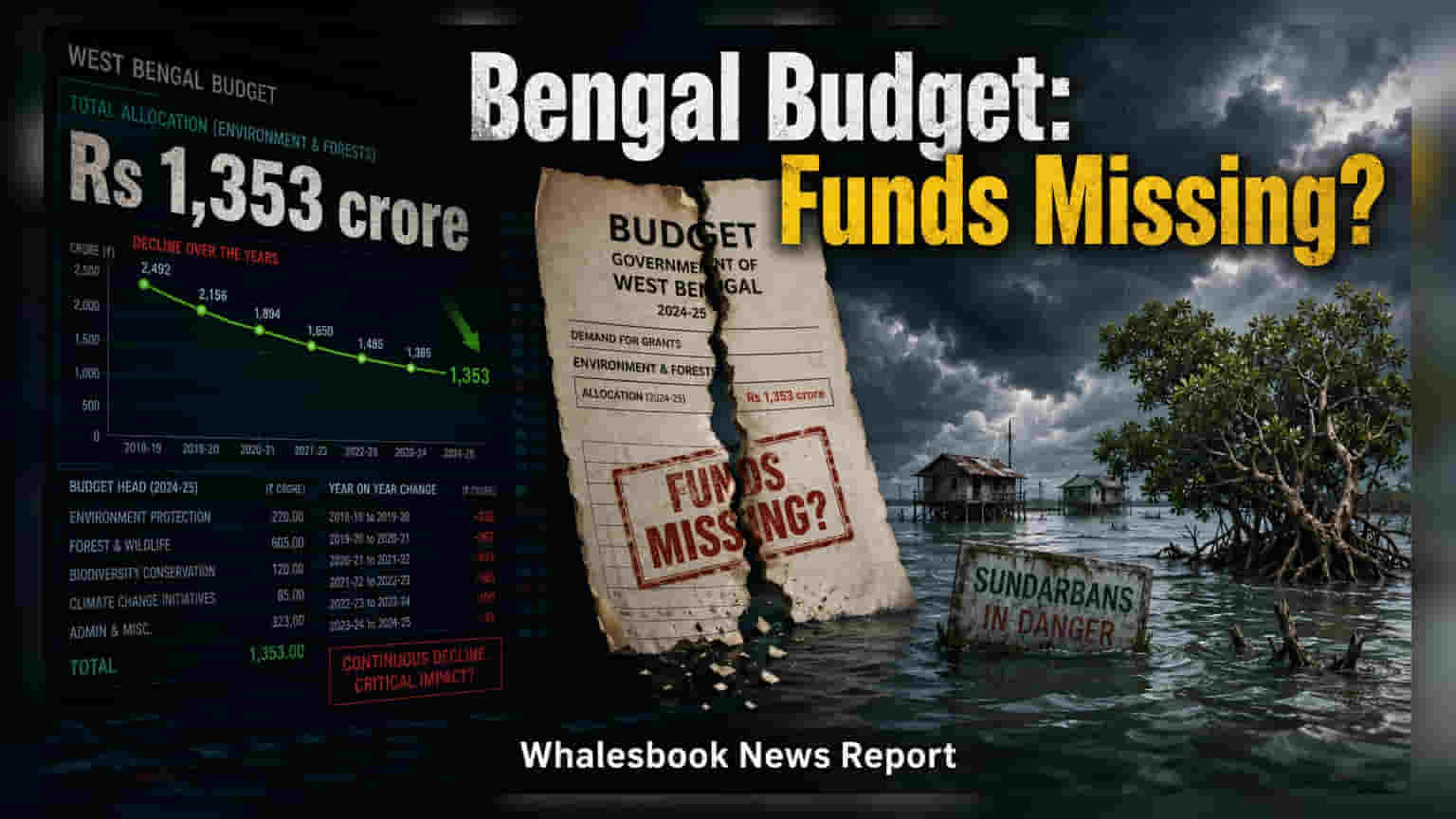
The West Bengal 2026-27 budget, totaling ₹4,38,775 crore, is facing scrutiny over its environmental funding strategy. Analysts are highlighting a potential gap between projected infrastructure costs and actual secured capital for projects like Sundarbans conservation. This reliance on future loans rather than committed funds creates uncertainty for project execution and highlights the state's tight fiscal position.
West Bengal's 2026-27 budget, presented on June 22, 2026, has brought attention to the state's environmental spending strategy. While the government announced a total budget of ₹4,38,775 crore, analysts and environmental experts are questioning the transparency of funding for key climate projects. The debate centers on whether the projected costs for major initiatives, such as the Sundarbans conservation and solar projects, are backed by secured capital or contingent on future loans.
A primary area of concern is the distinction between project costs and actual money in hand. For instance, while substantial amounts have been allocated for the Lower Sundarban SHORE Project and others, reports indicate that some of these figures rely on the anticipation of loans from institutions like the Asian Development Bank. In some cases, only preparatory grants for design or feasibility studies have been secured, not the funds required for full-scale construction. Conflating these preparatory figures with total project requirements can mask the actual financial commitments needed to complete the work.
For investors and those watching the state's economy, this funding uncertainty is linked to the broader fiscal landscape. The state is managing an inherited debt burden of approximately ₹8.16 lakh crore. With a target fiscal deficit of 2.91% of GSDP, the administration has very little room for error. The reliance on external loans to fund infrastructure projects introduces execution risk; if these loans are delayed, denied, or restructured, the projects could face significant timeline setbacks or cost overruns.
The budget also misses some broader environmental goals, such as a comprehensive strategy for electric or hybrid vessels or a clear plan to address municipal waste pollution. The state government has signaled a broader intent to revive the Calcutta Stock Exchange and push for investment-led growth, but the success of these plans depends on maintaining fiscal discipline.
Moving forward, the key factor to monitor will be the actual disbursement of funds and the progress on these infrastructure projects. Investors and observers will be looking for clarity on whether the state can successfully secure the necessary external financing to bridge the gap between initial plans and actual implementation.