 Whalesbook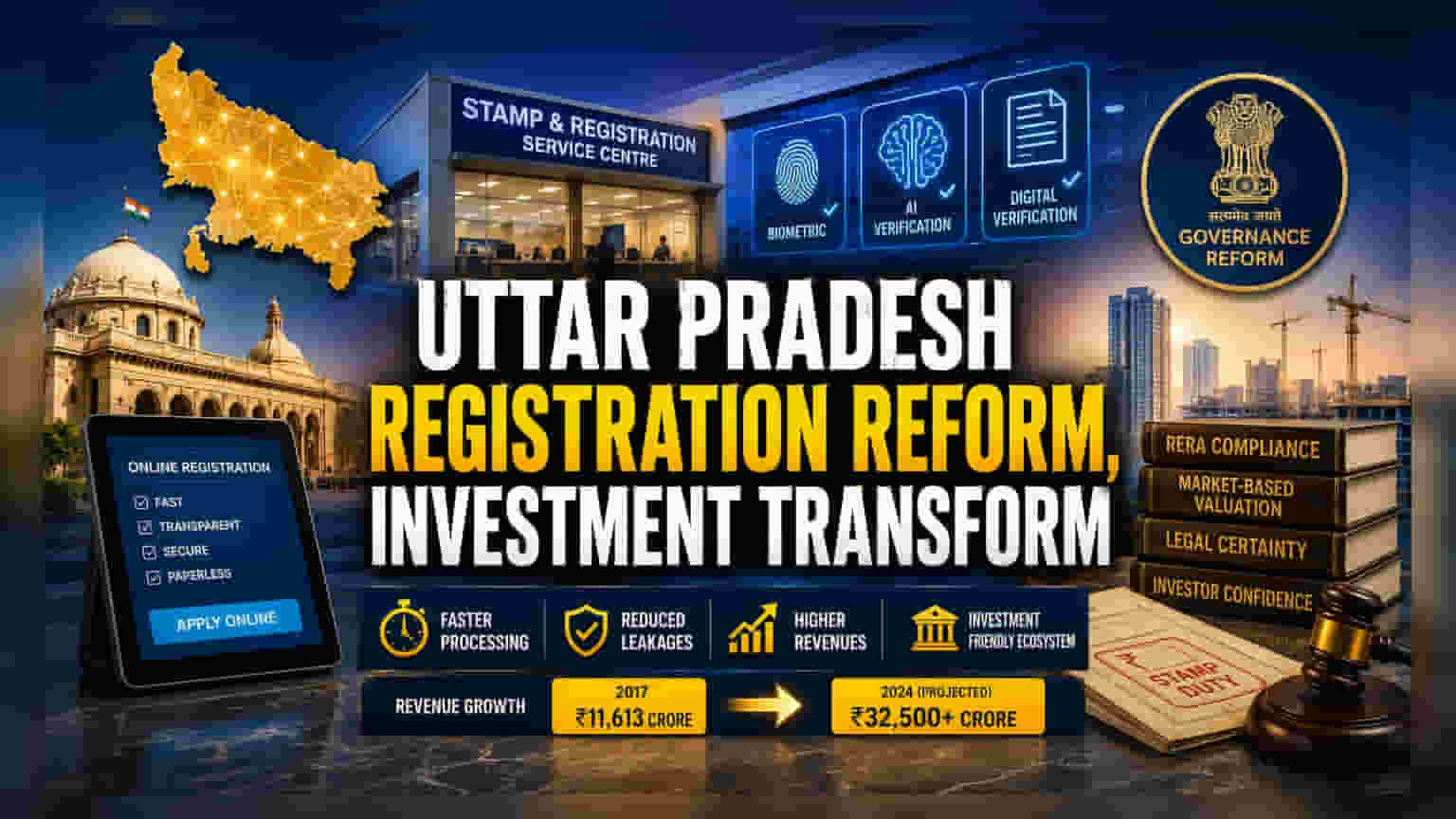


The Efficiency Pivot
The push to modernize the Stamp and Registration Department signifies a calculated shift toward state-level competitiveness. By aligning operational infrastructure with the standards of passport service centers, the administration is effectively addressing the friction costs that have historically hindered corporate mobility in the region. This transition from manual scrutiny to biometric and AI-backed verification serves a dual purpose: it accelerates transaction velocity while simultaneously narrowing the window for systemic revenue leakage.
Scaling the Institutional Framework
Underpinning this directive is the necessity to harmonize local regulatory practices with broader national corporate governance standards. As Uttar Pradesh evolves into a primary investment hub, the current ambiguity surrounding property valuations and RERA compliance has often acted as a deterrent to institutional capital. By prioritizing a market-based valuation framework, the state is looking to provide the predictability required for large-scale infrastructure and industrial deployments. This is not merely an administrative upgrade; it is an attempt to institutionalize legal certainty, which historically correlates with higher FDI inflows in emerging industrial corridors.
The Forensic Risk Assessment
While the mandate promises a streamlined environment, the implementation phase faces substantial headwinds. Historical data from similar state-level digital transitions suggests that the primary bottleneck remains the legacy integration of land records and the potential for technical failures during the shift to fully digital document processing. Furthermore, while the initiative seeks to simplify RERA and LLP frameworks, the actual impact on the ground depends on the willingness of sub-registrar offices to abandon long-standing discretionary powers. Investors should monitor whether the proposed standardization of stamp duty creates new friction points or effectively reduces the cumulative tax burden on property transfers.
Future Outlook and Sector Implications
Market participants are currently focused on the projected fiscal outcome, with the department’s revenue trajectory—moving from approximately ₹11,613 crore in 2017 to over ₹32,500 crore by the end of the current fiscal year—providing a baseline for the state's aggressive growth targets. If the proposed legal refinements successfully reduce the average litigation timeline for real estate and corporate mergers, Uttar Pradesh is positioned to outperform other tier-2 industrial states in commercial absorption rates. The focus now shifts to the executive timeline for these reforms, with stakeholders watching for a concrete rollout schedule that balances administrative automation with legal protections.