 Whalesbook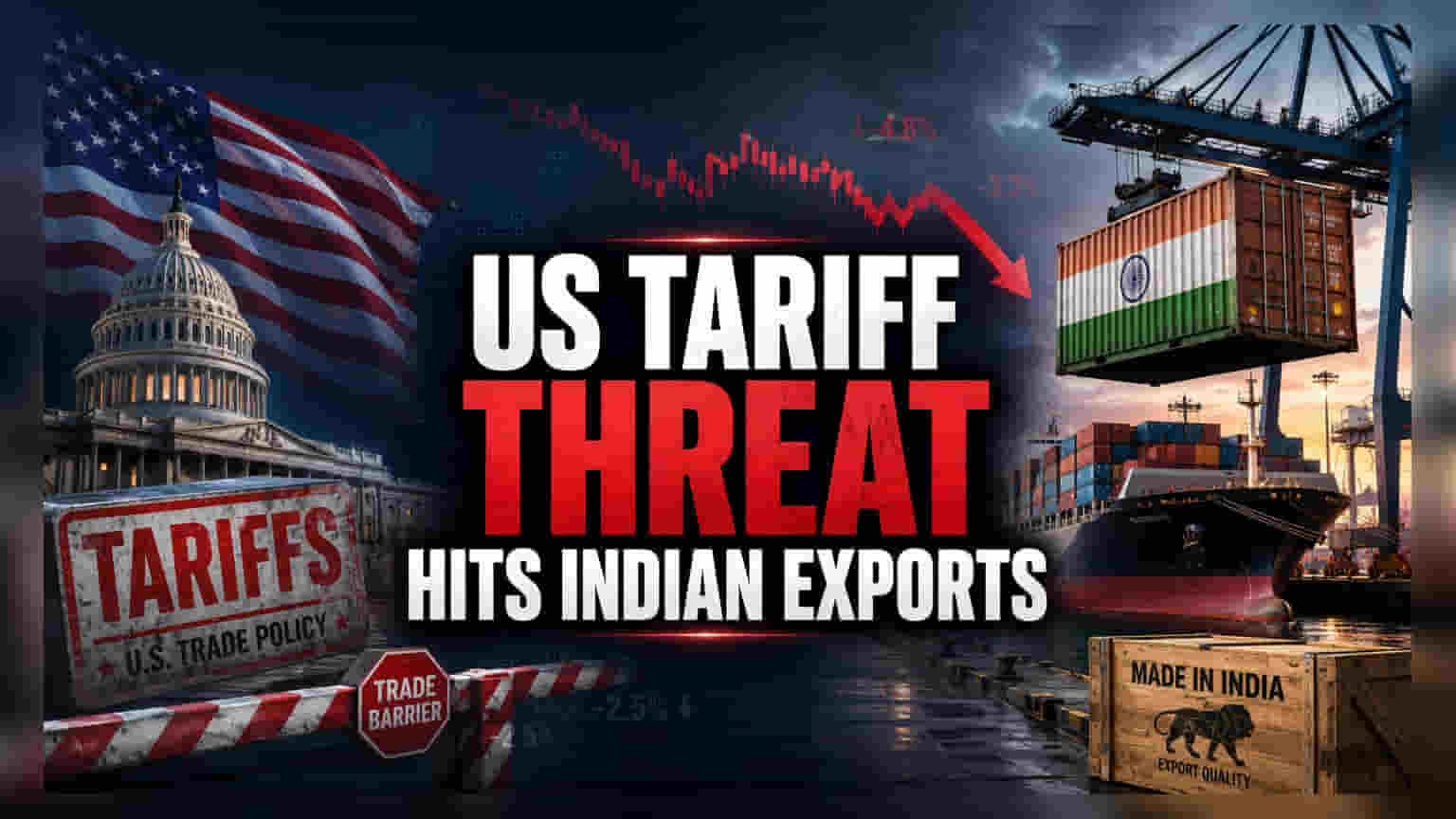


The US administration is using a new legal route under Section 301 of the Trade Act of 1974 to review import tariffs on goods from over 80 countries, including India. With potential surcharges reaching up to 12.5%, this move creates uncertainty for major export-oriented Indian industries, including engineering, textiles, and pharmaceuticals, as companies navigate potential cost increases and complex trade compliance requirements.
What Happened
The United States government has launched a fresh strategy to impose tariffs on imports from more than 80 economies, including India, China, and several European nations. This initiative relies on Section 301 of the Trade Act of 1974, a legal framework that allows the US Trade Representative to investigate and potentially place duties on foreign goods. The administration is citing concerns over the prevention of forced labor in manufacturing chains as the primary reason for these investigations. This move follows the US Supreme Court's decision in February 2026, which invalidated previous tariff measures that were implemented under broader emergency powers. By switching to Section 301, the US administration aims to create a more permanent and legally stable framework for its trade policy.
Why This Matters For Investors
For Indian investors, this development introduces a layer of uncertainty for companies that rely heavily on exports to the United States. If these proposed tariffs, which could reach up to 12.5 percent, are implemented, it may directly impact the profit margins of export-focused Indian firms. When import duties increase, the cost for US buyers rises, which can lead to reduced demand for Indian products or force Indian exporters to lower their prices to remain competitive. Investors in sectors such as information technology, pharmaceuticals, textiles, and engineering should monitor how these trade discussions progress, as these industries often have significant exposure to the US market.
The New Trade Strategy Explained
Unlike the previous emergency power measures that were struck down by courts, the Section 301 process is designed to be more durable. It requires the government to conduct formal investigations and allow for public comment periods before taking action. While this makes the process slower, analysts suggest it makes the resulting tariffs much harder to challenge in court. The strategy appears to be a tool to gain more leverage in international trade negotiations. By formalizing the process, the US administration is trading the speed of executive orders for the long-term legal certainty of traditional trade laws.
Risks To Indian Export Sectors
The primary risk for Indian companies is the potential for increased operating costs and supply chain disruption. If specific Indian goods face a surcharge, companies will need to decide whether to absorb these costs, passing them to customers, or potentially shifting their production strategies. Furthermore, this protectionist environment could lead to a broader reorientation of global supply chains. If the US pushes for tighter trade terms, Indian firms might face stiffer competition or administrative hurdles in maintaining their market share against global peers.
What Investors Should Track
The most important monitorable for investors is the progress of ongoing trade engagements between the Indian government and US trade representatives. Investors should look for official filings or company statements regarding their exposure to the US market and any contingency plans to handle potential tariff increases. Additionally, tracking sector-specific news will be crucial, as the US administration may target different industries with varying levels of scrutiny. Monitoring broader developments in global trade agreements will also help in understanding how Indian companies are positioning themselves in an increasingly complex international market.