 Whalesbook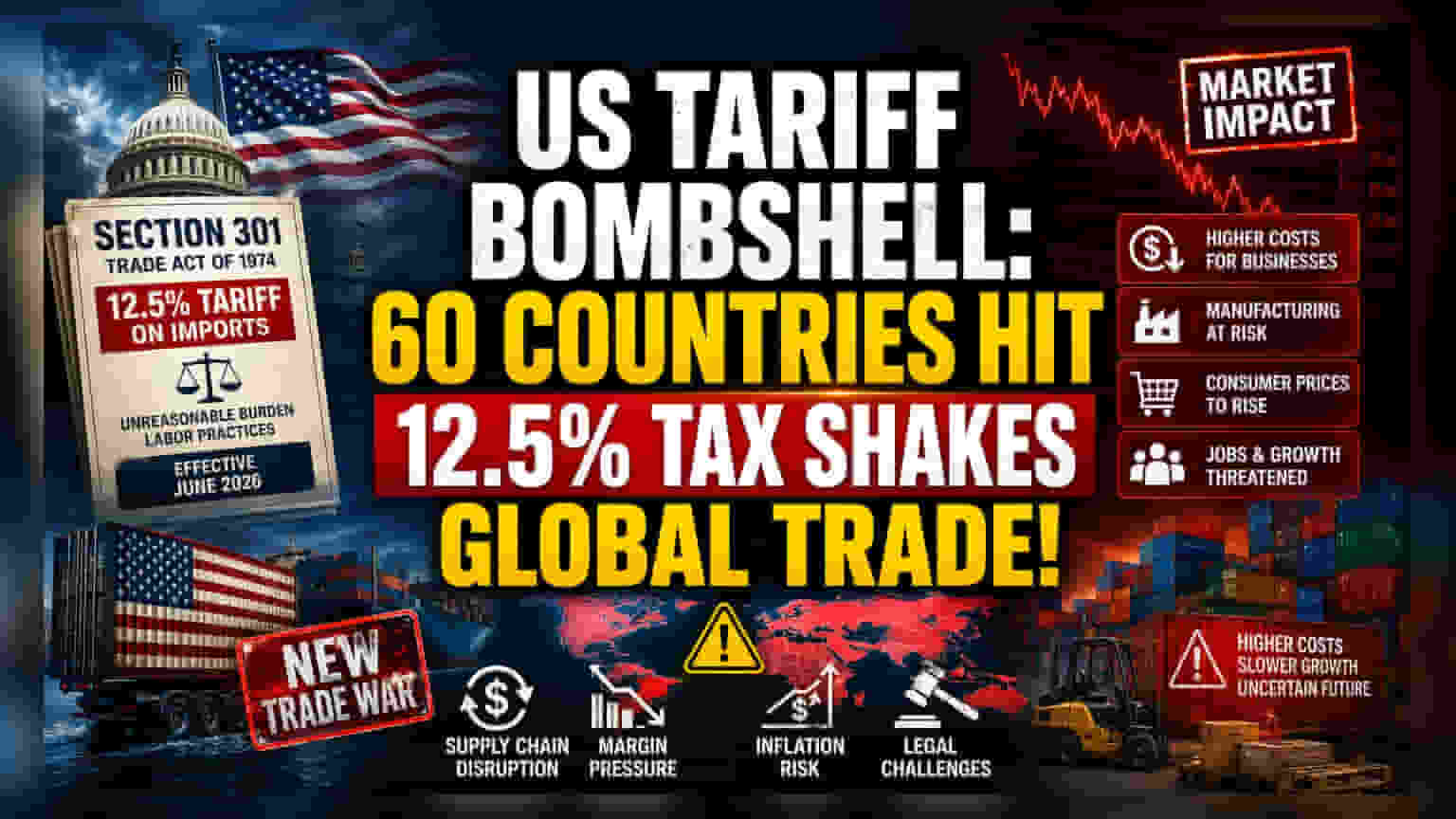


The Economic Impact of Section 301
The invocation of Section 301 of the Trade Act of 1974 represents a calculated escalation in U.S. trade policy. By characterizing the labor practices of 60 nations as an unreasonable burden on domestic commerce, the United States Trade Representative is effectively shifting the cost of geopolitical compliance onto importers and domestic manufacturers. This 12.5% levy is not merely a penalty; it serves as a structural tax on global supply chains that have historically relied on cost-efficient manufacturing hubs across Asia and the Global South.
Analyzing the Manufacturing Disruption
Market participants should anticipate significant volatility in sectors heavily dependent on imported inputs, particularly textiles, consumer electronics, and automotive components. Unlike previous targeted tariffs, this sweeping inclusion of 60 countries suggests an intent to force a wholesale decoupling or, at minimum, a rigorous audit of tier-two and tier-three suppliers. Companies with opaque supply chains will face immediate margin pressure as they struggle to pass these costs to end consumers who are already sensitive to inflationary forces. The move mimics the 2018-2019 trade friction period, yet the breadth of this initiative creates a wider, more systemic risk that could dampen industrial output for firms unable to rapidly pivot their sourcing strategies.
The Forensic Bear Case: Structural Weaknesses
Critics of this policy shift point to the potential for severe macroeconomic backlash. By imposing a blanket tariff, the U.S. risks inviting retaliatory measures that could paralyze agricultural and high-tech exports. Furthermore, the administrative burden of verifying compliance across such a vast array of jurisdictions creates a significant operational bottleneck. There is also a legitimate concern regarding the legal durability of these tariffs; past applications of Section 301 have faced protracted challenges at the World Trade Organization. Investors must weigh the potential for a prolonged legal stalemate, which historically leads to erratic stock performance for multinational corporations with heavy reliance on international trade volume.
Future Outlook and Trade Relations
While the USTR frames this as a necessary enforcement of labor standards, the long-term reality is a fragmented global market. Forward guidance from major logistics and retail firms will likely reflect increased hedging costs as they navigate this new regulatory climate. Analysts anticipate a period of intense diplomatic maneuvering as impacted nations evaluate their own leverage, particularly regarding critical minerals and digital trade access, which remain vital to U.S. domestic growth.