

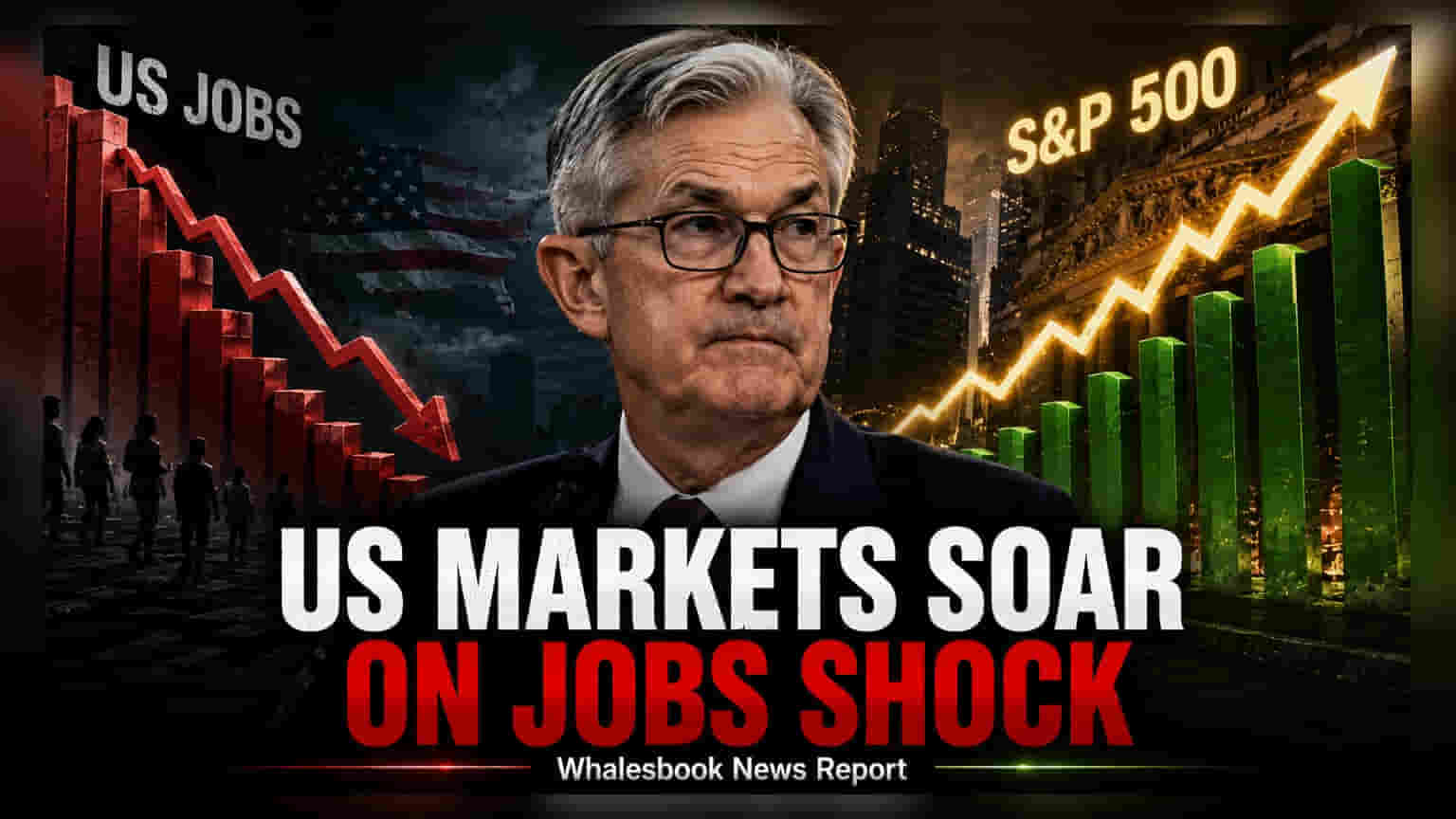
US stock markets reached an all-time high on August 7, 2026, as a surprise drop in July nonfarm payrolls signaled a cooling labor market. The S&P 500 closed at 7,756.44, fueled by investor hopes that the Federal Reserve may pause interest rate hikes. While the rally reflects optimism for lower borrowing costs, the underlying data also highlights concerns about a potential economic slowdown.
The S&P 500 index hit an all-time closing high of 7,756.44 on Friday, August 7, 2026, following a surprising downturn in US employment figures. In a classic example of how markets react to economic news, the weaker-than-expected jobs report was treated as positive by investors because it potentially reduces the pressure on the US Federal Reserve to continue raising interest rates.
The US economy unexpectedly shed 23,000 jobs in July, which stood in sharp contrast to market forecasts that had anticipated growth of 80,000 to 85,000 jobs. Adding to the negative picture for the labor market, hiring data from May and June 2026 was also revised downward by a combined 103,000 positions. Following this report, the probability of a Federal Reserve interest rate hike in September has reportedly fallen to approximately 40% to 44%.
Interest Rates and Bond Market Shift
The market reaction was driven primarily by a shift in bond yields. As the labor data suggested a cooling economy, investors moved away from bonds, and the 10-year Treasury note yield dropped to roughly 4.64%. Lower bond yields generally make stocks, especially those in the technology and growth sectors, more attractive to investors. The decline in expected future interest rates helps reduce the cost of borrowing for companies, which can support profit margins and long-term business expansion.
Economic Risks Beneath the Rally
While the stock market cheered the news, the labor data itself points to structural challenges. The unemployment rate edged down to 4.1% in July, but this was driven by a decline in the labor force participation rate rather than a surge in hiring or economic health. When fewer people are actively looking for work, the unemployment rate can appear artificially low. This decline in participation is a risk factor, as it suggests a shrinking pool of available workers, which could eventually lead to reduced consumer spending and lower aggregate demand for businesses.
Furthermore, high inflation remains a concern. Even with a potential rate pause, the Federal Reserve may maintain a restrictive policy stance if price levels do not stabilize. If the labor market weakens too quickly, it could signal a broader economic downturn rather than just a cooling of inflation.
Global and Geopolitical Context
Global markets also reacted to the broader easing of geopolitical tensions. Oil prices softened during the trading session following reports of a potential agreement between Iran and Oman. If realized, such an accord could help stabilize supplies in the Strait of Hormuz, a critical maritime chokepoint. Stability in energy prices is often beneficial for global markets as it reduces costs for manufacturers and logistics companies. For investors, the next critical updates to track will be the upcoming inflation reports and any official commentary from Federal Reserve officials, which will provide clearer signals on the direction of interest rates and the overall strength of the US economy.