

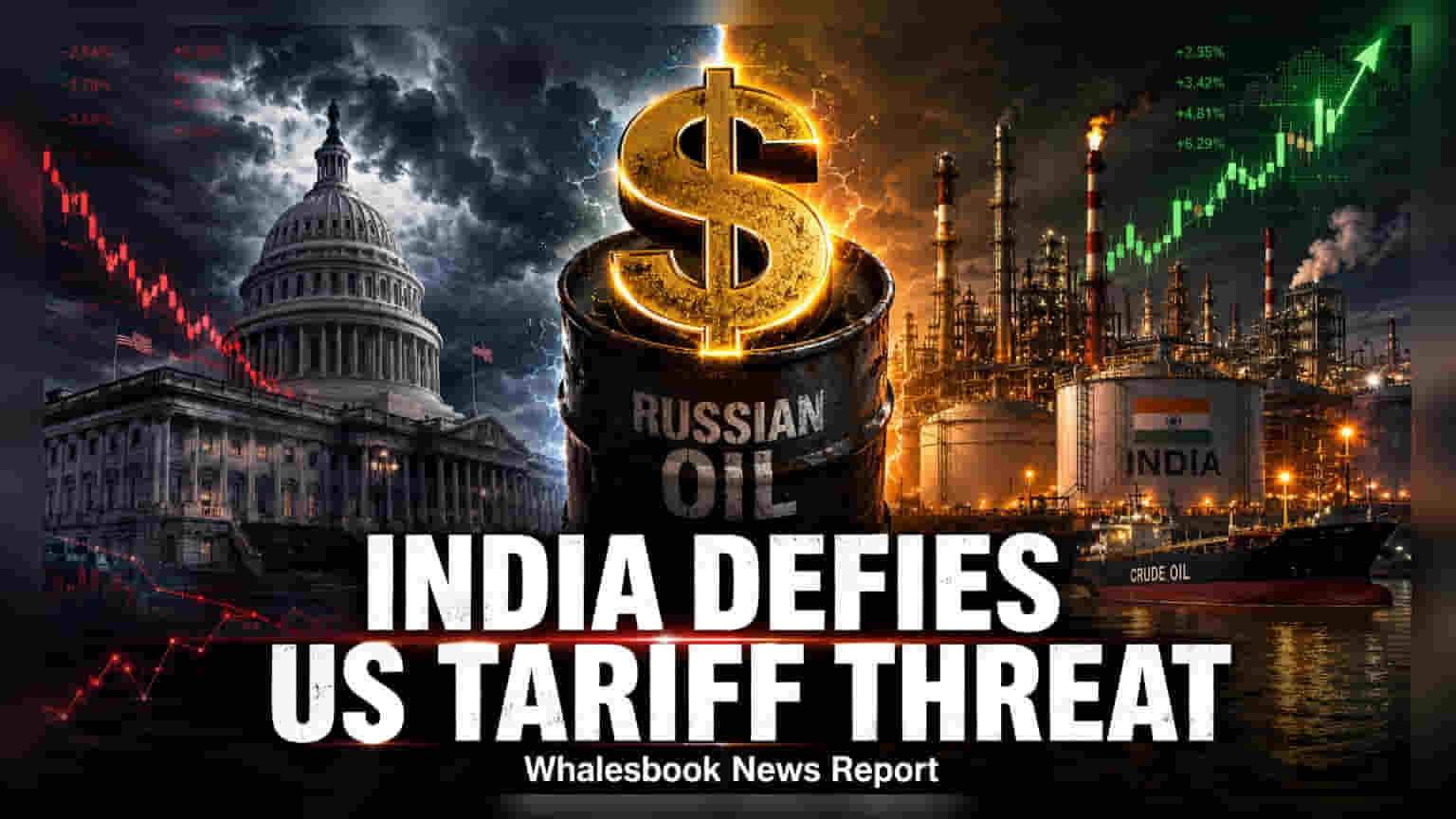
The U.S. Senate has advanced a bill granting the President authority to impose up to 100% tariffs on countries purchasing Russian oil. While Indian officials have termed the threat speculative, India’s record 55.5% reliance on Russian crude as of July 2026 creates significant economic and geopolitical risks if implemented.
India is closely monitoring the progress of the 'Lindsey O. Graham Sanctioning Russia and Iran Act of 2026' after the U.S. Senate passed a procedural vote on July 28, 2026. This legislative development introduces the possibility of the U.S. President having the discretionary authority to levy tariffs of up to 100% on nations that import Russian energy. For Indian investors, understanding the nuance of this bill is important, as it currently provides the U.S. executive branch with options rather than a mandatory requirement to trigger penalties.
Impact on Energy Procurement and Economics
The Indian energy sector has significantly increased its reliance on Russian crude, which reached a record high of 55.5% of total imports in July 2026. This shift has been driven largely by logistical challenges, including shipping constraints in the Red Sea and the Strait of Hormuz, which have made other supply routes more expensive or less reliable. The discounted nature of Russian barrels has been a key factor in managing India's import costs.
If the U.S. were to exercise the authority proposed in the bill, the economic impact could be substantial. Estimates suggest that replacing these volumes with alternative supplies from the Middle East or elsewhere could increase India's annual import bill by an estimated $8.5 billion to $51 billion, depending on global market conditions and how quickly alternative supply chains could be established. Such an increase in input costs would put immediate pressure on the profit margins of Indian oil refining companies.
Official Stance and Market Reaction
Indian government officials, including the Ministry of External Affairs and Commerce Minister Piyush Goyal, have publicly characterized the potential tariff threat as speculative and continue to emphasize that national energy security remains the top priority. To date, there has been no material impact on the stock prices of major Indian oil marketing companies, and the industry is operating under the assumption that the current procurement strategy remains viable in the near term.
Risks and Investor Monitorables
While the situation is currently in the legislative phase—requiring passage in the House of Representatives and a presidential signature to become law—investors should remain aware of potential risks. Beyond the direct cost of oil, there is the risk of diplomatic friction and potential secondary sanctions, which could complicate insurance and payment mechanisms for international trade.
The primary monitorable for the market is the progress of this bill in the U.S. legislative system. Additionally, investors should track management commentary from Indian refiners regarding their contingency planning for crude sourcing, their ability to absorb potential cost increases, and any changes in government policy regarding trade agreements with the United States.