

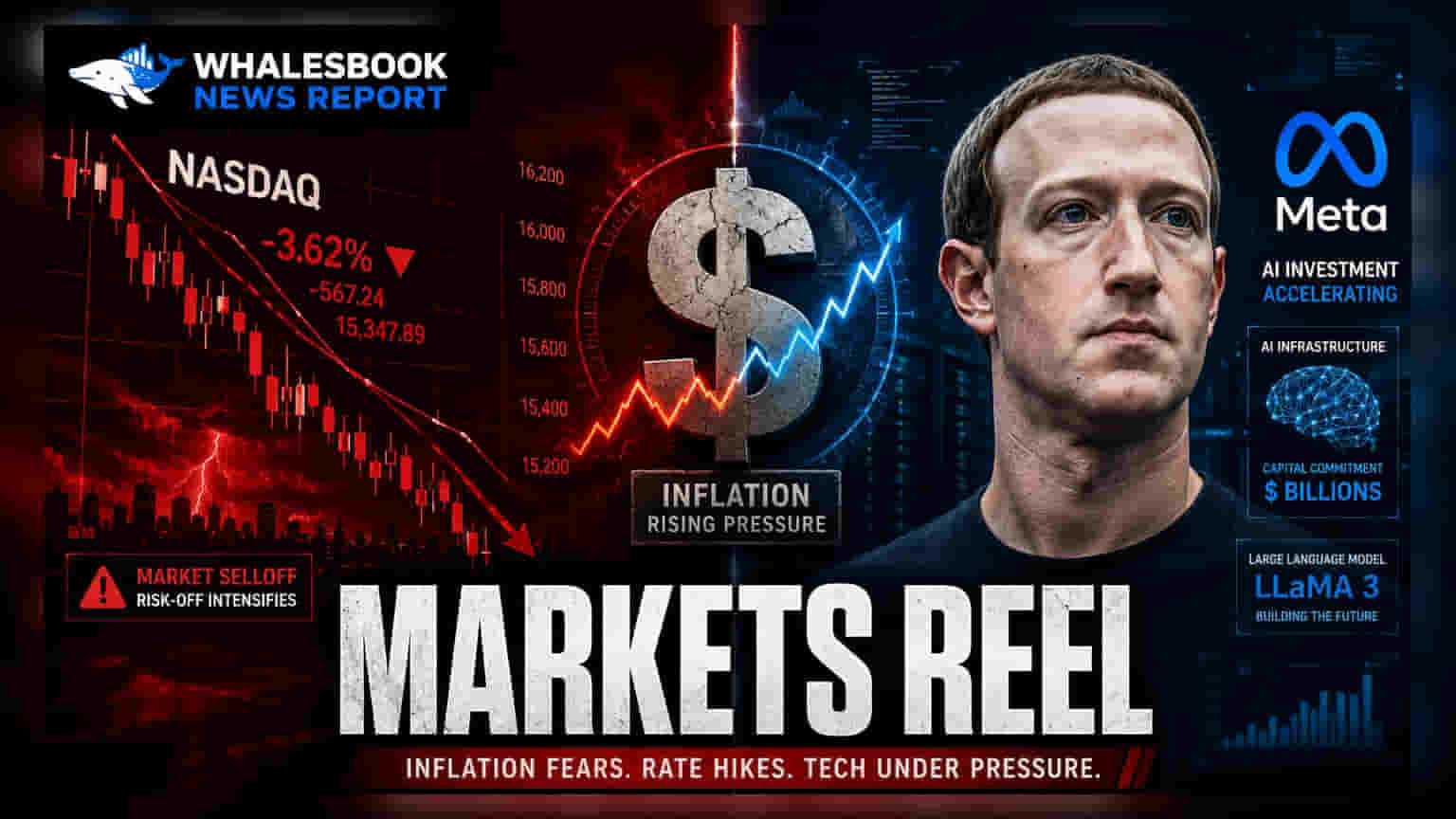
US stocks declined Wednesday as Federal Reserve Chair Kevin Warsh signaled a firm stance on inflation ahead of crucial jobs data. While the tech-heavy Nasdaq index faced selling pressure, Meta Platforms shares jumped 8.8% on reports of a new AI cloud computing business. Investors are closely monitoring the upcoming jobs report, which could influence future interest rate decisions.
What Happened
U.S. equity markets saw a pullback on Wednesday as investors processed fresh comments from the Federal Reserve regarding the path of interest rates. Federal Reserve Chair Kevin Warsh reiterated the central bank's commitment to returning inflation to the 2% target. This messaging dampened sentiment, particularly in the tech sector, with the Nasdaq Composite index falling 0.7%. The market is currently in a cautious phase as it waits for the June U.S. jobs report, which is expected to show the addition of approximately 110,000 jobs.
Why The Jobs Data Matters
Financial markets are sensitive to employment figures because they provide a direct indicator of economic health. A significantly stronger-than-expected jobs report could lead the Federal Reserve to maintain higher interest rates for longer to cool down the economy. With economists forecasting 110,000 new jobs and an unemployment rate of 4.3%, any surprise to the upside could trigger concerns among investors about aggressive rate hikes. ADP’s private sector employment data, which showed an estimated 98,000 jobs added last month, has added to the market’s focus on the upcoming official government figures.
Meta’s Pivot To AI Cloud
Amid the broader market decline, Meta Platforms stood out with an 8.8% gain following reports that the company plans to launch an AI cloud computing service. This move represents a strategic shift for the social media giant, as it aims to monetize the substantial computing power it has built for its own artificial intelligence initiatives. By offering this capacity to external clients, Meta would effectively enter a space dominated by large tech incumbents like Amazon Web Services, Microsoft Azure, and Google Cloud. For investors, this marks a potential new revenue stream, though the company will face stiff competition in an already crowded cloud market.
What Indian Investors Should Track
Indian markets often take cues from U.S. market volatility, especially regarding the tech sector. Since the Nasdaq is a benchmark for global technology stock sentiment, persistent selling pressure in US tech names can influence the performance of India's IT and software services companies. Furthermore, signals from the Federal Reserve on interest rates directly impact foreign portfolio flows (FPI) into India. When US rates remain high, global liquidity can tighten, which may affect the flow of foreign investment into emerging markets like India. Investors should monitor both the official U.S. jobs data and any commentary from tech firms regarding their cloud and AI investment plans to understand the broader impact on the global technology sector.