

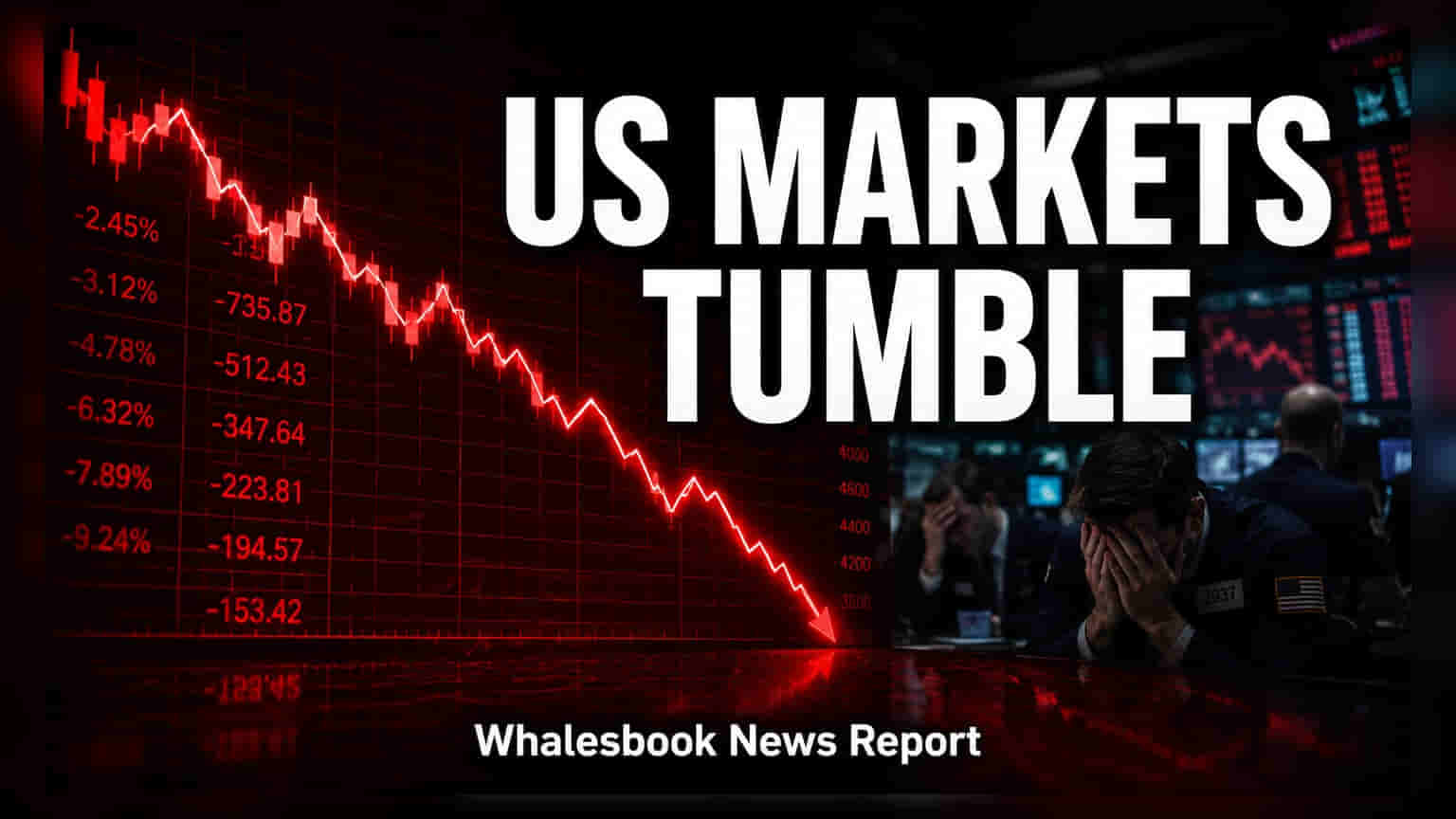
US stock benchmarks faced selling pressure this week, as the Dow Jones fell 0.93%, while the S&P 500 and Nasdaq declined by 1.55% and 2.90% respectively. The market struggle highlights a lack of new buyer interest at key resistance levels. Investors are now watching treasury yields and technical support zones to gauge the next move.
The US equity market concluded another difficult week as all major indices retreated, breaking their recent upward momentum. The Dow Jones Industrial Average dropped 0.93% in its second straight week of decline. The broader S&P 500 and the technology-focused Nasdaq Composite saw sharper losses of 1.55% and 2.90%, respectively, reflecting a shift in investor sentiment as the indices failed to clear critical technical barriers.
Technical Resistance and Market Outlook
The Dow Jones index is currently navigating a challenging environment near the 53,000 level. Traders are focused on the 52,000 support mark, with potential downside risks reaching 51,700 if that floor fails to hold. A deeper break below 51,650 could signal increased selling, potentially pressuring the index toward the 50,000 range. Similarly, the S&P 500 continues to face difficulty surpassing its 7,600 resistance, with investors monitoring the 7,400 support level to see if the index can maintain its current trading range.
The Nasdaq Composite faced the most significant cooling of demand, with a drop below the 26,000 level on Friday shifting the technical bias toward the negative. Support for the tech index is now tested at 25,000, and analysts suggest that a sustained recovery will require a move back above the 26,500 resistance area.
Treasury Yields and Currency Movements
The US 10-Year Treasury Yield has shown a slight retreat from its recent high of 4.64%, though the overall trend remains elevated. Immediate support for the yield is at 4.5%, with further potential for a dip to 4.4%. Maintaining levels above 4.4% continues to support a bullish outlook for yields, which often creates pressure on equity valuations by increasing the cost of borrowing and offering higher returns on safer government debt.
Meanwhile, the dollar index continues to trade near 100.75. The currency has struggled to establish a clear direction, facing immediate resistance between 101 and 101.20. Market observers are waiting for a decisive move above this resistance zone, which could signal increased strength for the dollar, or a slide back toward 100 if the current level fails to hold. The interaction between these yield trends and index performance will remain a central point for investors in the coming weeks as they assess whether the current pullback is a temporary adjustment or the start of a more sustained period of market consolidation.