

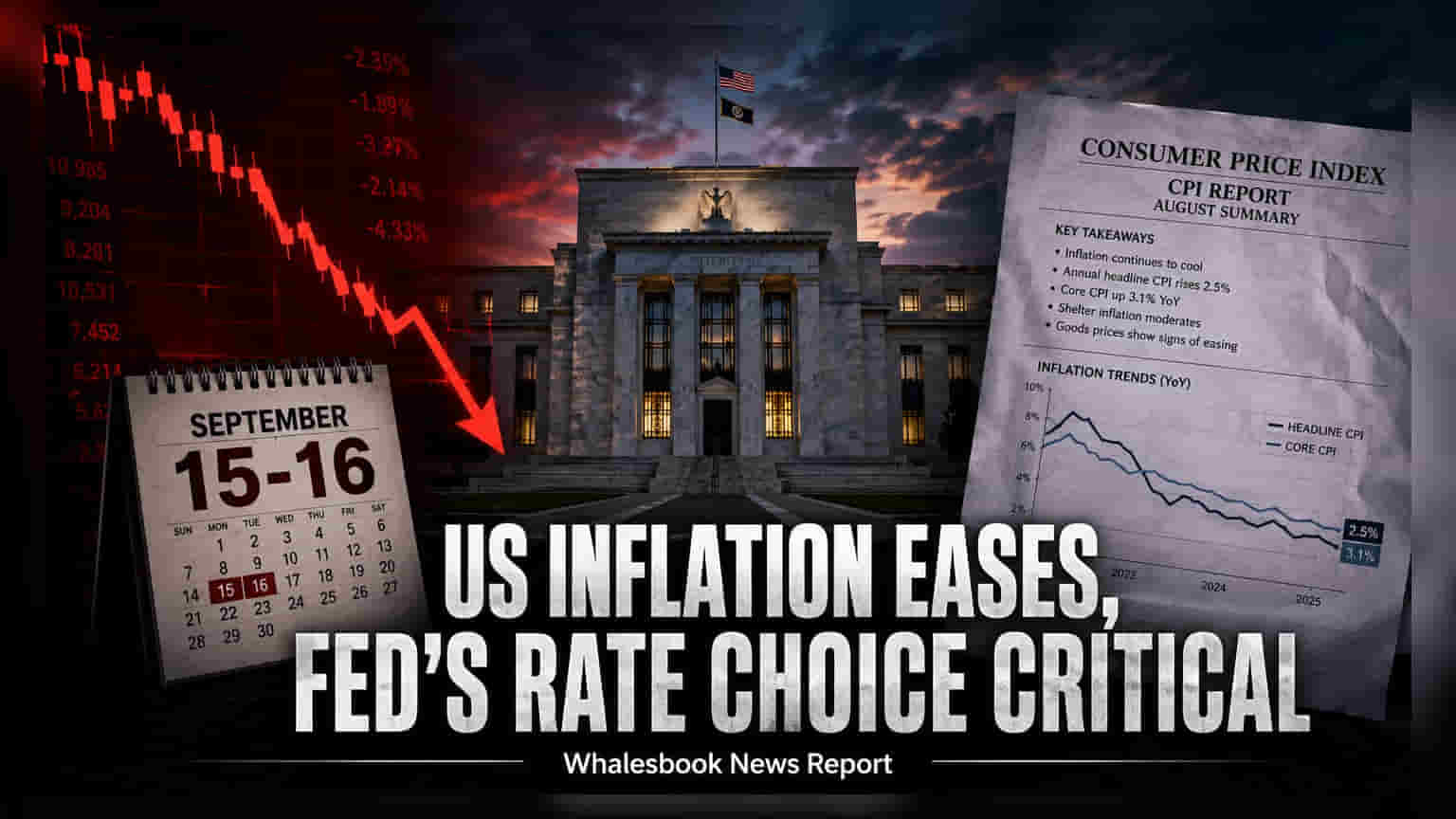
US consumer inflation cooled to 3.4% annually in July, but remains above the Federal Reserve's 2% goal. With interest rates currently held at 3.50%-3.75%, the central bank faces a split decision for its September meeting as market expectations for a potential rate hike linger.
The latest inflation data from the United States shows the Consumer Price Index (CPI) rose 3.4% annually in July, offering a glimmer of hope that price pressures are slowing. While the headline number and the core CPI—which strips out volatile food and energy costs—at 2.5% matched market expectations, the figures remain well above the Federal Reserve's long-term 2% target. For investors, this creates an environment of uncertainty regarding the central bank's next move on interest rates.
The Fed's July Decision and Internal Divisions
The Federal Open Market Committee (FOMC) held the federal funds rate steady in the range of 3.50%-3.75% during its meeting on July 29, 2026. However, the decision was not unanimous. The FOMC vote resulted in a 9-3 split, with three members—Hammack, Kashkari, and Logan—dissenting in favor of a 25 basis point hike. This internal disagreement underscores the challenge policymakers face in balancing the need to curb persistent inflation against the risk of slowing economic growth.
This is the first tightening cycle overseen by Chair Kevin Warsh, who assumed office in May 2026. Under his leadership, the Fed has signaled a shift away from rigid forward guidance, preferring to make decisions based on incoming data rather than providing long-term roadmaps. This strategy has increased the importance of each monthly CPI report for market participants, as investors must now gauge policy direction in real-time without the cushion of predictable future guidance.
Market Outlook for September
Following the July inflation report, market sentiment regarding the September meeting remains divided. Traders and investors are trying to anticipate if the current cooling trend is sustainable or if inflation will prove to be sticky. Data from CME Group futures indicates a 35% to 40% probability of a rate hike in September. While the consensus suggests that the Fed may pause, the lingering risk of a rate increase by year-end is keeping bond and equity markets cautious.
Several factors continue to cloud the outlook. Analysts point to categories like technology, where prices have risen due to high demand for artificial intelligence, and energy, which remains sensitive to geopolitical risks like the ongoing Middle East conflict. If these areas continue to show price pressures, they may offset the cooling seen in other sectors of the economy. The central bank's next policy statement and the economic projections released during the September meeting will be critical monitorables, as they will define the path for interest rates in the final quarter of the year.