 Whalesbook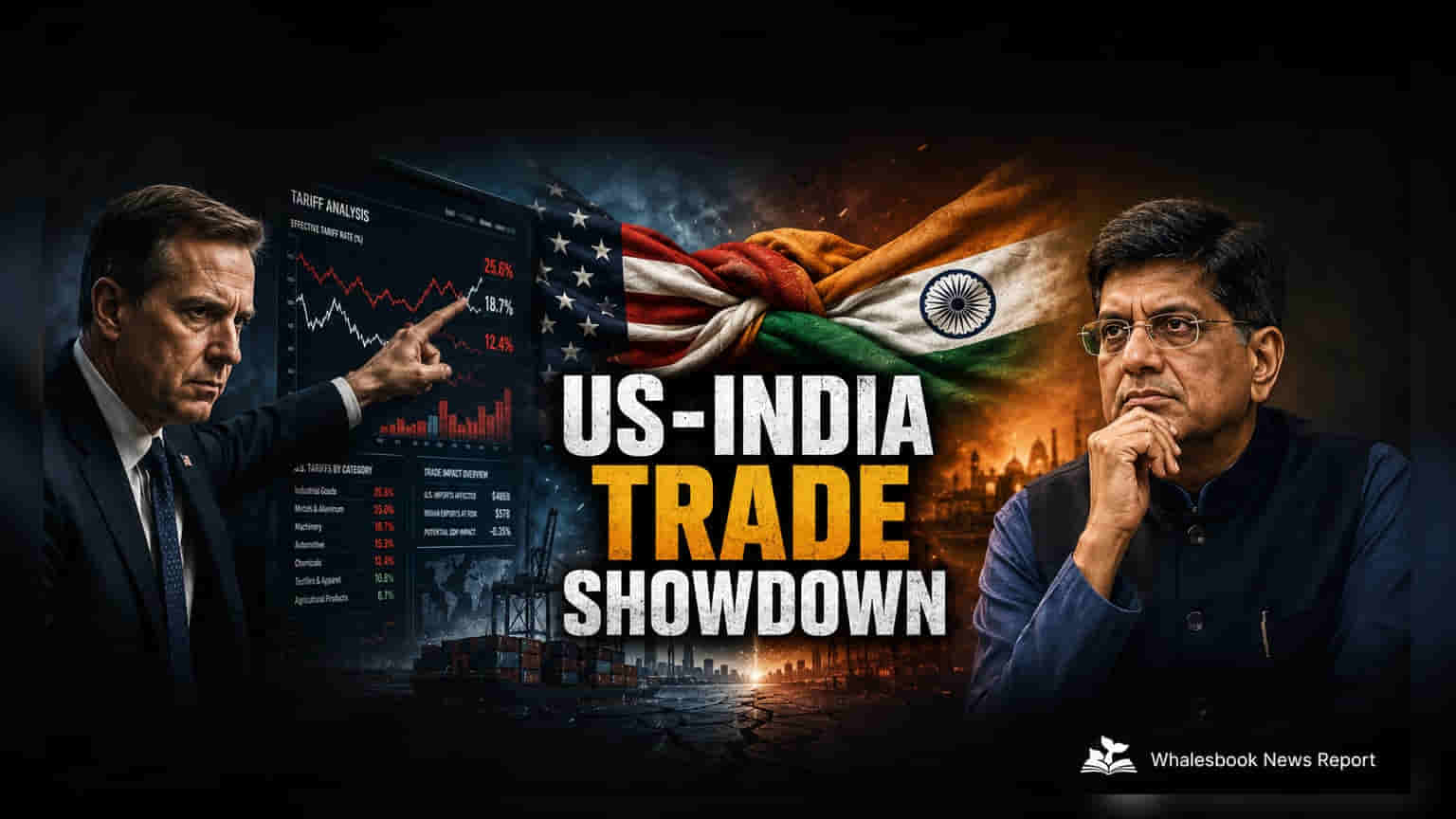


The Recalibration Mandate
As U.S. and Indian trade representatives gather in New Delhi for four days of critical negotiations, the foundational framework established in February faces significant pressure to adapt. The core objective—securing an 18% tariff cap on select Indian exports—must now be reconciled with a transformed U.S. trade environment. Following a U.S. Supreme Court ruling that invalidated earlier reciprocal tariff structures, Washington introduced a 10% global surcharge. This administrative shift has effectively diluted the relative pricing advantage India previously enjoyed against competitors like Vietnam and Bangladesh, forcing both nations to re-evaluate the deal’s economic incentives to ensure it remains commercially meaningful.
Navigating the Section 301 Friction
The negotiations are unfolding against a backdrop of intensified regulatory scrutiny. In March 2026, the Office of the U.S. Trade Representative (USTR) initiated Section 301 investigations targeting structural excess capacity and forced labor practices across global supply chains. India, among the countries named, has formally rejected these allegations, viewing the probes as a potential precursor to trade barriers that could undermine the very market access this interim agreement seeks to guarantee. For New Delhi, securing a definitive resolution or an exemption from these investigations is not merely a diplomatic preference but a strategic necessity to protect its textile, automotive, and industrial sectors from future tariffs.
The Forensic Risk Perspective
While the prospect of an interim deal has boosted market sentiment, structural risks persist. The "Buy American" commitment, which entails India purchasing up to $500 billion in U.S. goods—including energy and aircraft—over five years, places immense pressure on India’s import bill. Investors should remain cautious: should the deal be finalized without resolving the underlying Section 301 tensions, Indian exporters could find themselves trapped in a regime of "preferential" rates that are eventually offset by broader punitive measures. Furthermore, the reliance on rapid implementation assumes a level of regulatory alignment that has yet to be tested. Unlike economies with more rigid trade postures, India’s willingness to navigate these sensitive areas signifies a pivot toward deeper economic integration, yet this comes at the cost of exposing domestic industries to heightened competition from U.S. agricultural and industrial imports.
Looking Toward Finalization
Despite the hurdles, both governments view the deal as a necessary instrument to solidify a strategic economic partnership. Official rhetoric remains optimistic, with expectations that the legal text could be solidified in the coming weeks. However, the success of this pact hinges on whether the final agreement offers enough clarity to insulate Indian exporters from the shifting tides of U.S. domestic trade policy and whether it can effectively replace the temporary surcharge measures with a long-term, stable tariff architecture.