 Whalesbook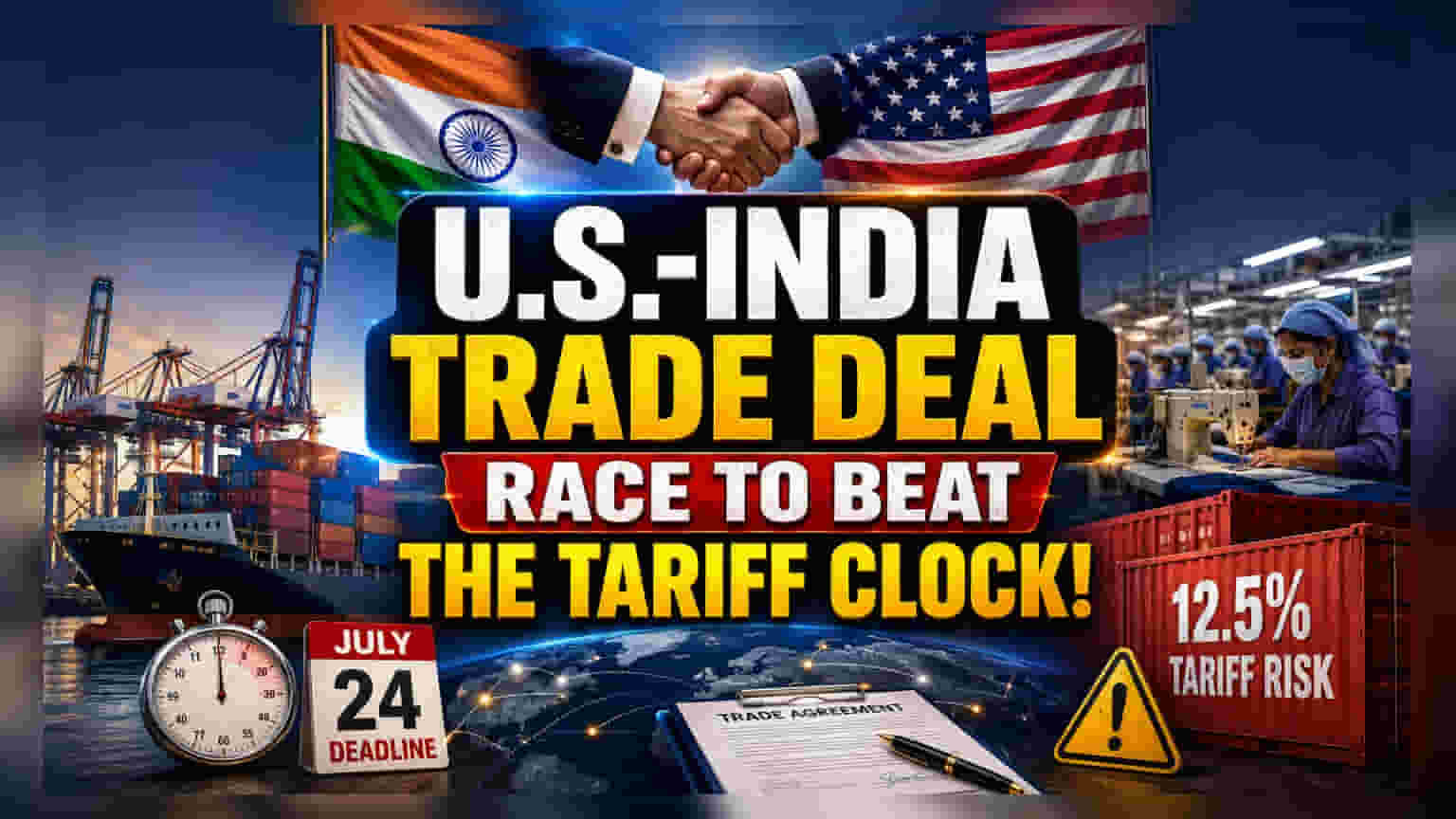


The Geopolitical Balancing Act
The trajectory of the U.S.-India bilateral trade agreement has entered a critical window, characterized by a dual-track strategy of intensive negotiation and defensive maneuvering. Commerce Minister Piyush Goyal confirmed that the initial tranche of a comprehensive pact could be executed by mid-July, following a recent three-day visit by a U.S. negotiating delegation to New Delhi. This push for a deal is happening alongside a provocative expansion of U.S. trade enforcement mechanisms, specifically the Office of the United States Trade Representative's (USTR) investigation into forced labor practices across 60 economies.
The Tariff Compliance Trap
Washington’s latest proposal to impose a 12.5% additional tariff on Indian imports represents a shift toward aggressive compliance-based protectionism. Unlike previous tariff pressures—which were largely rooted in trade imbalances or specific disputes over Russian oil purchases—this action under Section 301 of the Trade Act of 1974 is tied to supply-chain standards. The USTR’s investigation targets countries perceived as failing to effectively police imports of goods made with forced labor. For India, this creates a complex hurdle: even as officials work to secure preferential market access, industry players are being forced to navigate a rigorous new regulatory audit of their upstream supply chains. The 12.5% figure, while currently a proposal subject to public hearings in July, hangs over the economy as a significant risk to export margins in labor-intensive sectors such as textiles, engineering, and chemicals.
Structural Weaknesses and Risk Factors
The reliance on the U.S. as a primary export destination leaves Indian industries vulnerable to these sudden policy pivots. History has shown that trade agreements with the current U.S. administration remain fragile, as evidenced by the February collapse of a framework deal following a U.S. Supreme Court ruling against emergency tariff powers. Industry analysts remain concerned that these Section 301 investigations are being used as a high-pressure negotiation tactic, potentially forcing India to accept unfavorable terms in the bilateral deal just to avoid the broad implementation of the 12.5% duty. Unlike economies with established forced-labor enforcement mechanisms—which face a lower 10% rate—India currently faces the steeper penalty, which could erode the competitive advantage the government is striving to secure through the trade pact.
Future Outlook
The next few weeks are critical for Indian exporters. With the current 10% temporary surcharge set to lapse on July 24, the administration is effectively operating in a race against time. The formal consultation process, ending with hearings on July 7, will provide the next indicator of whether the U.S. intends to pursue these tariffs as permanent policy or leverage them as a bargaining chip to finalize the trade deal before the July deadline.