 Whalesbook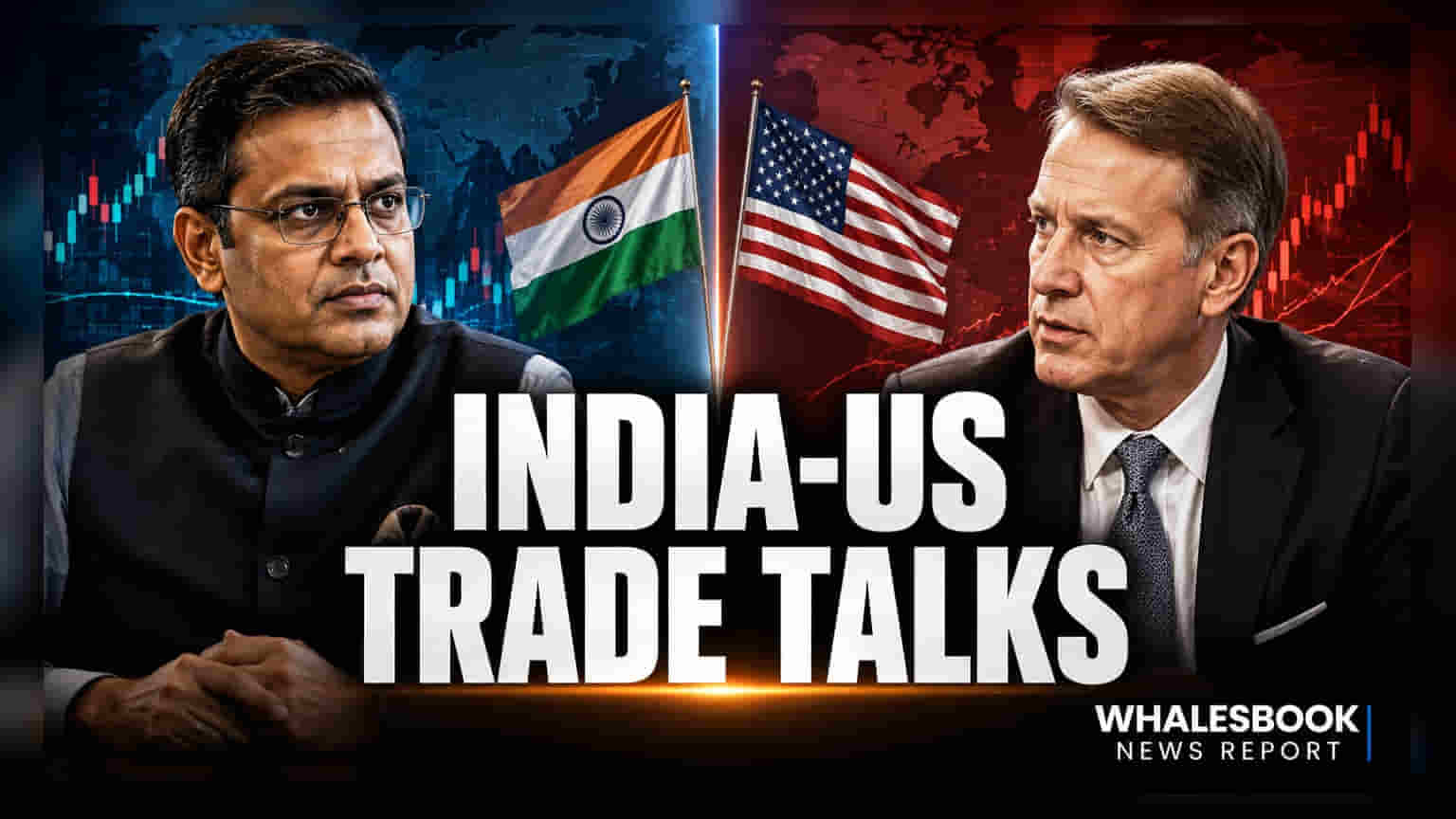


The Friction of Uniform Tariffs
The upcoming dialogue between American representative Brendan Lynch and his Indian counterpart Darpan Jain arrives at a juncture where original trade promises are colliding with domestic protectionist measures. The primary challenge involves integrating the proposed tariff reductions into a reality where a blanket 10% US levy remains in effect. While the February framework aimed for specific concessions, the introduction of this universal tariff effectively negates the competitive advantage Indian exporters expected to gain. Negotiators now face the difficult task of determining whether this interim agreement can survive as a standalone entity or if it must be folded into a broader, more defensive economic alignment.
Strategic Divergence and Regulatory Hurdles
The shift in tone is further intensified by the USTR’s ongoing Section 301 investigation. By targeting issues ranging from industrial overcapacity to labor standards, the US is signaling a departure from purely transactional trade toward a more compliance-heavy enforcement model. This regulatory stance contrasts sharply with India’s existing pledge to absorb $500 billion in US energy and aircraft technology over the coming half-decade. Analysts suggest that unless these investigations are resolved or decoupled from the trade pact, the anticipated flow of US capital into Indian infrastructure may see significant delays as domestic manufacturers await clearer tariff visibility.
The Forensic Risk Assessment
From an institutional risk perspective, the current negotiation cycle suffers from a profound lack of policy synchronization. The primary structural risk involves the sustainability of India's current $34.4 billion trade surplus. Given the current US administration's aggressive posture toward narrowing trade imbalances, there is a tangible risk that any final agreement will require India to accept higher quotas on US agricultural goods—such as spirits and nuts—which could spark domestic political blowback. Furthermore, the volatility surrounding energy import commitments linked to the Russian oil fallout continues to act as a latent variable that could disrupt progress if global energy markets tighten further.
Outlook and Economic Calibration
Markets are expected to remain cautious until the conclusion of these talks, as the outcome serves as a bellwether for wider US-Asia trade relations. The ability of the two nations to secure a 'win-win' scenario hinges on whether they can move beyond the current tariff impasse to address long-term investment parity. If the negotiators fail to produce a credible adjustment mechanism for the 10% tariff, the pact risks becoming a hollow document that maintains surface-level engagement while failing to resolve the core friction points in industrial trade.