

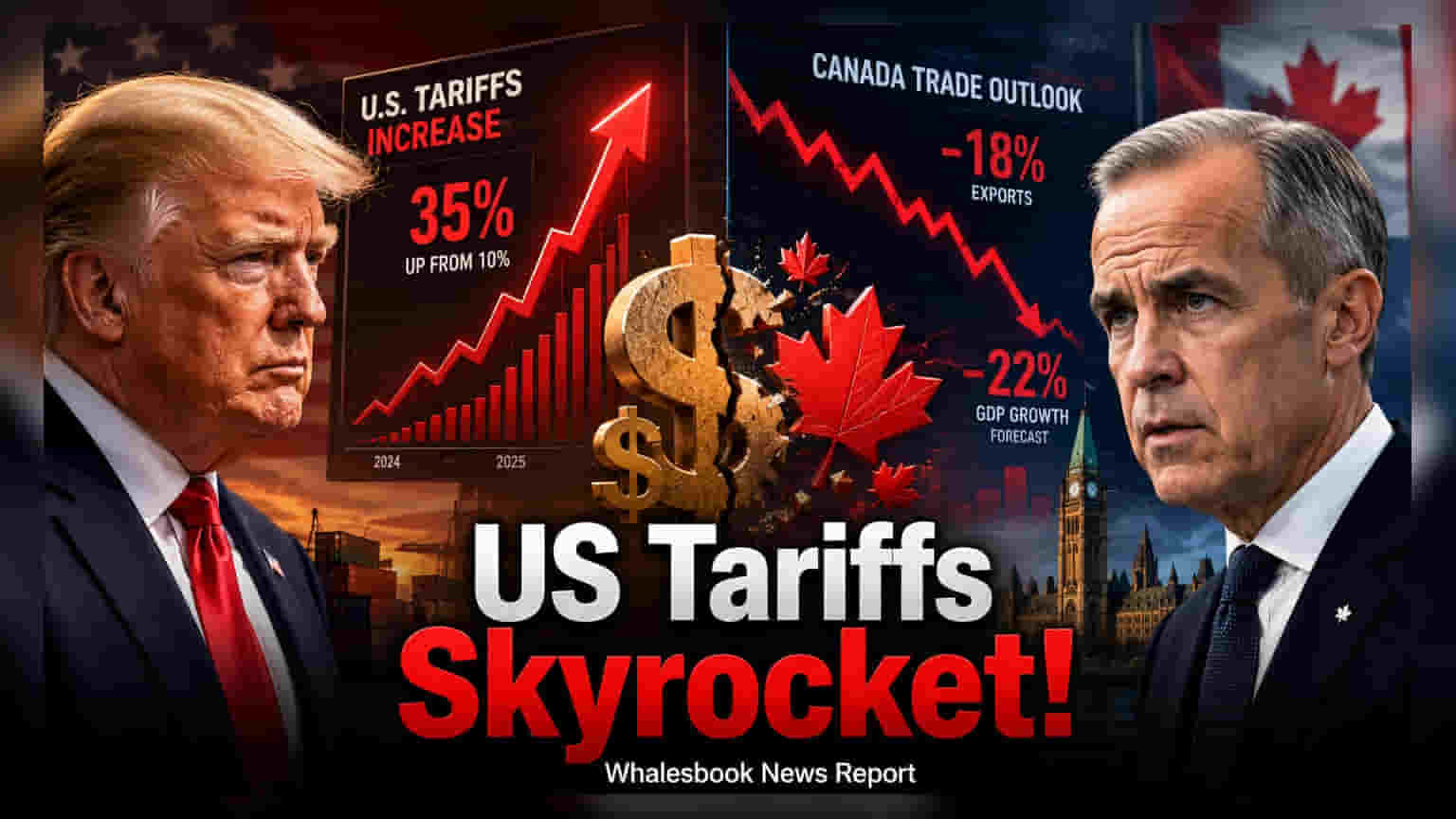
The US has enacted a 50% tariff on various Canadian goods, citing unfair trade practices. This policy, invoking a century-old law, could heighten global trade tensions and impact supply chains for affected industries like cement, wine, and dairy. Investors should monitor potential retaliatory measures and their influence on cross-border corporate costs.
Detailed Coverage
The United States administration has triggered a significant shift in North American trade policy by imposing a 50% tariff on a wide range of imports from Canada. This punitive measure, which is set to take effect in 30 days, is being implemented under Section 338 of the Tariff Act of 1930. This specific legal provision has remained dormant for nearly a century and grants the President authority to apply retaliatory duties against nations deemed to be discriminating against American goods.
Sectors Facing New Trade Barriers
The scope of the new duties is broad, affecting multiple consumer and industrial categories. Affected products include wine, cement, dairy items, furniture, clothing, and even ice hockey equipment. However, the administration has provided exemptions for several critical areas. Energy products, critical minerals, potash, and fish—along with items already covered by existing Section 232 tariffs—remain excluded from the new 50% levy. This move directly targets Canadian policies regarding its dairy supply management system, quotas on US auto imports, and provincial regulations on the sale of American alcohol.
Economic and Diplomatic Tensions
Canadian officials have strongly contested the action. Prime Minister Mark Carney noted that his government has offered proposals to settle ongoing trade disputes and argued that these new tariffs contradict commitments made under the USMCA trade pact. The move marks a departure from standard trade practices and has drawn concern from trade analysts. Some experts warn that using this 1930s-era authority to counter reciprocal tariffs could weaken the most-favored-nation principle and potentially lead to a cycle of protectionist measures similar to those observed during the pre-World War II era, which historically disrupted global markets.
Investor Monitorables
For investors, the immediate concern lies in the potential for increased costs and market volatility. While the exemptions protect key commodity and energy sectors, businesses involved in the manufacturing, construction, and consumer goods sectors that rely on cross-border supply chains may face pressure on profit margins. The primary focus for the market will now shift to whether Canada chooses to implement retaliatory tariffs and how these trade frictions influence future negotiations between the two nations. Investors should track official updates on the start date of the tariffs and any potential diplomatic progress that could lead to exemptions or modifications of these duties.