

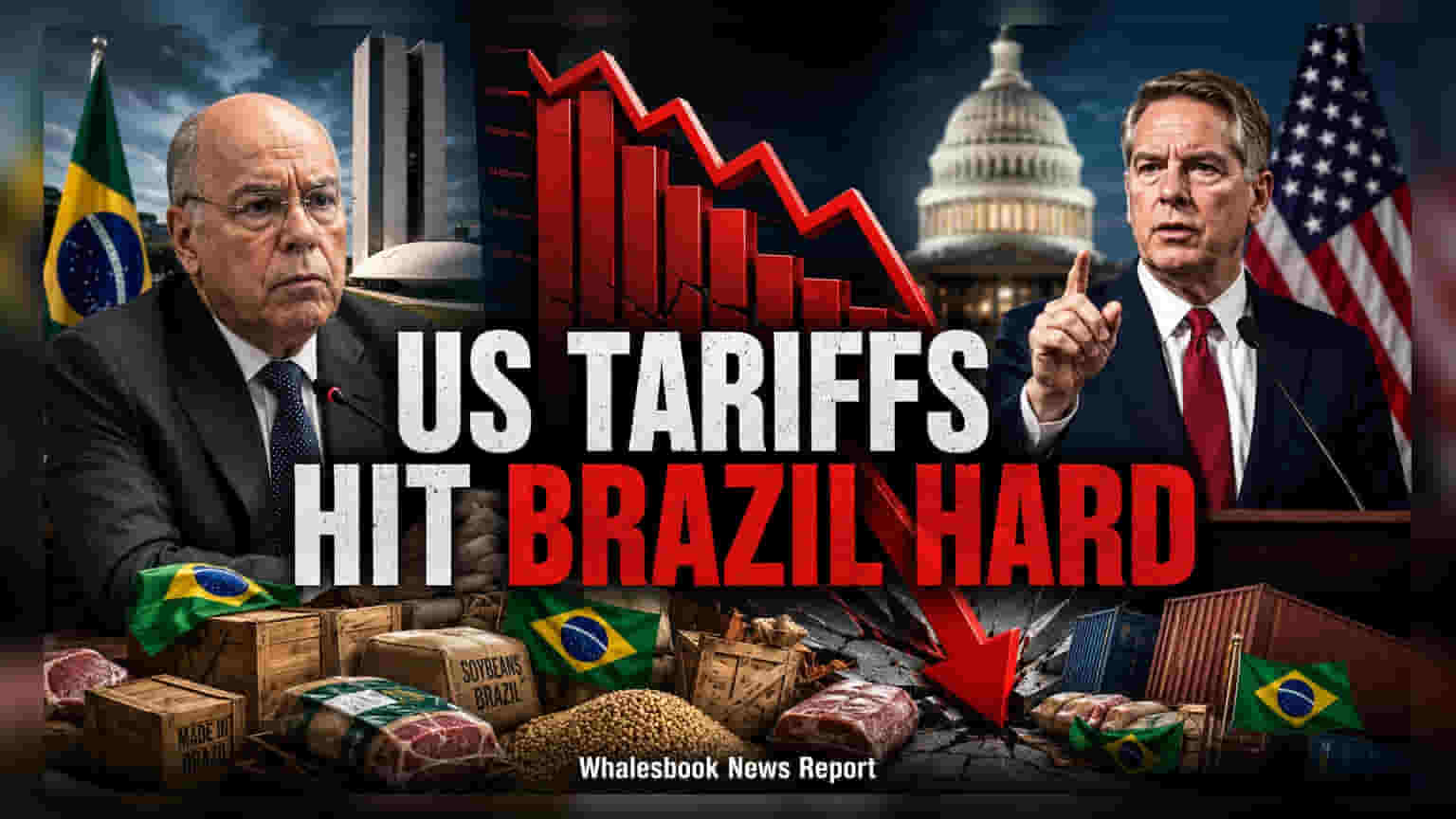
The United States will levy 25% tariffs on 18% of Brazilian exports starting July 22, citing unfair trade practices. The move targets sectors like timber, machinery, and furniture, while exempting staples like coffee and beef. Investors should monitor how these trade tensions impact global supply chains and the potential support measures Brazil may introduce for its domestic manufacturers.
The United States government has announced a 25% tariff on a significant portion of Brazilian imports, valued at approximately $7 billion. This action, set to take effect on July 22, follows a comprehensive investigation by the Office of the U.S. Trade Representative (USTR). The inquiry concluded that specific Brazilian trade policies were disadvantageous to American businesses, citing issues ranging from anti-corruption enforcement to existing tariff structures on U.S. goods.
Impact on Specific Sectors
The new duties will primarily affect the timber, machinery, furniture, and footwear industries. These sectors are expected to face immediate pressure as their products become more expensive for U.S. buyers, which may lead to reduced export volumes. Conversely, the USTR has opted to exclude several critical commodities from these tariffs, including coffee, beef, oranges, orange juice, specific oil and gas products, and aerospace components. By exempting these goods, the U.S. aims to protect its own domestic supply chains, where these products are either essential or not produced in sufficient quantities locally.
Official Responses and Trade Tensions
Brazilian authorities have strongly opposed the decision, with Trade Minister Márcio Fernando Elias Rosa characterizing the tariffs as unilateral and unjustified. The Brazilian government is currently working on assistance packages to help domestic companies manage the anticipated financial strain. Furthermore, the two nations remain at odds over broader economic policies, including a U.S.-led proposal to restrict foreign investments in the rare earth minerals sector—a move that Brazil has rejected, citing its sovereign right to manage its own investment policies.
Investor Monitorables and Broader Context
The reliance of the U.S. on Section 301 of the Trade Act of 1974 provides the legal framework for these restrictions. Investors should keep a close watch on future developments, particularly regarding whether this escalation leads to retaliatory measures or if a path toward negotiation remains open. For Indian investors, the situation is a reminder of the fragility of global trade relations, which can often lead to sudden shifts in commodity prices and manufacturing costs across interconnected international markets. The next critical update will be the impact of these tariffs on the actual export data from Brazil and whether the promised government support measures effectively mitigate the pressure on the affected industries.