

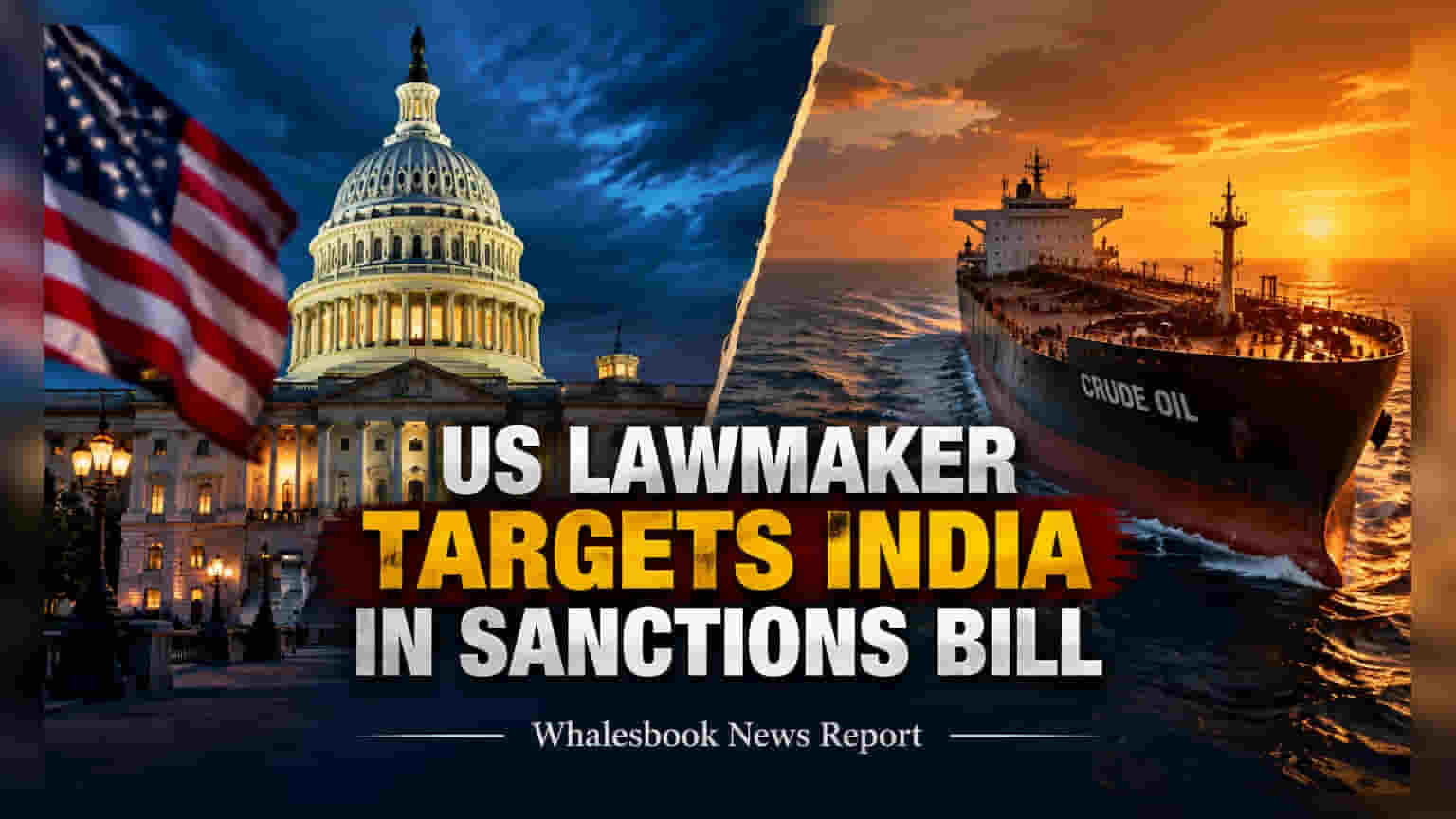
A proposed amendment to the 'Lindsey O. Graham Sanctioning Russia and Iran Act of 2026' seeks to impose 100% duties on goods from India and several other nations due to energy trade concerns. The legislation is currently under review by the US House Rules Committee. Investors should monitor this legislative process as it creates uncertainty for Indian export-oriented sectors like IT, pharmaceuticals, and manufacturing ahead of the US elections.
A new legislative development in the United States has introduced uncertainty regarding trade relations with several countries, including India. Representative Steny Hoyer has proposed an amendment to the 'Lindsey O. Graham Sanctioning Russia and Iran Act of 2026' that would explicitly include India, alongside nations like China and Turkey, in a list of countries subject to a 100% duty on goods exported to the US.
This legislative move stems from ongoing concerns among some US lawmakers regarding the continued procurement of Russian crude oil and natural gas by these nations. The proposed language targets countries identified as top-tier importers of Russian energy, aiming to use economic pressure to discourage such trade. The bill is currently before the House Rules Committee, which must act before a potential final vote given the limited legislative window ahead of the November 2026 mid-term elections.
It is important for investors to note that this is a proposal within a broader legislative process and not yet law. Furthermore, there is internal debate within the US Congress regarding these measures. Representative Gregory Meeks has introduced a competing amendment that seeks to remove Section 113 of the bill, which is the specific provision that grants the President the authority to impose these secondary tariffs. This indicates that the final form of the legislation remains fluid and subject to intense negotiation.
For Indian market participants, the primary concern lies in the potential impact on export-oriented sectors. India has a significant trade relationship with the US, particularly in areas like Information Technology (IT) services, pharmaceuticals, textiles, and engineering goods. If such punitive duties were to be enacted, it could create significant margin pressure for companies that rely heavily on the US market. Higher tariffs would increase the cost of Indian goods for American buyers, potentially reducing demand or forcing Indian firms to absorb costs to remain competitive.
Investors may monitor the progress of this bill in the House of Representatives, as well as any official government communications from both New Delhi and Washington regarding trade and energy policy. While trade friction is a known risk in international business, the current focus is on whether this specific legislative effort gains enough support to move forward or if it is modified by counter-proposals like those aiming to limit executive tariff authority. The final outcome will depend on the interplay between US foreign policy goals and the economic realities of global trade.