

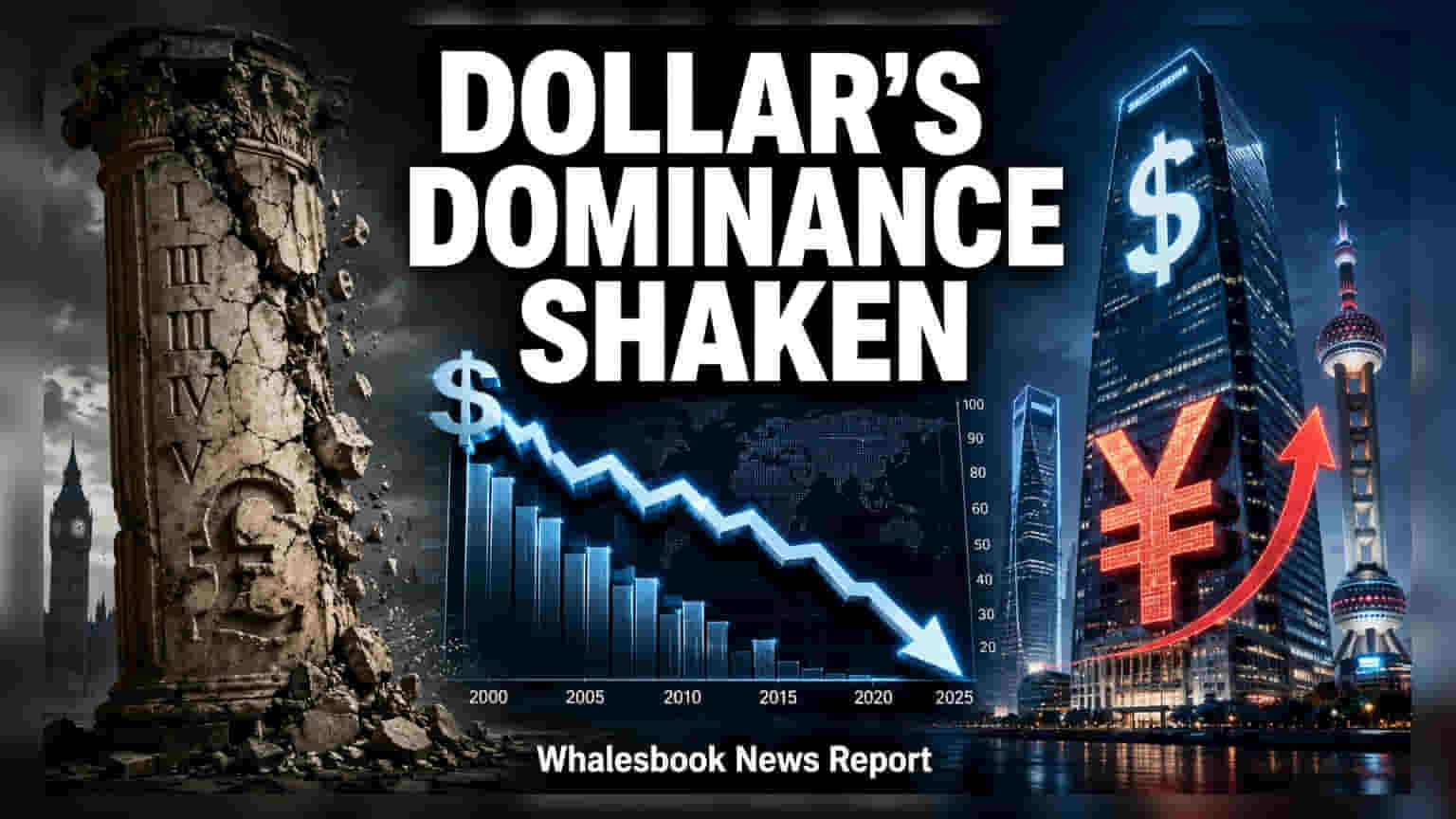
New analysis suggests the US dollar's global dominance will decline gradually rather than suddenly. Despite rising challenges to its status, no single currency currently possesses the infrastructure to replace the dollar in international finance.
The global financial system continues to rely heavily on the US dollar, which remains involved in nearly 90% of all foreign exchange transactions today. While debates regarding de-dollarization have intensified following geopolitical events like the 2022 sanctions on Russia, historical analysis suggests that shifts in international monetary power are typically slow and incremental processes.
Economist Barry Eichengreen, in his latest analysis of global currency history, highlights that the dollar’s status is not an permanent fixture. History shows that past dominant currencies, such as the British pound sterling or the Dutch guilder, maintained their influence long after the economic peak of their issuing nations. This persistence occurs because the structural advantages of an established reserve currency, including deep liquidity and trust in the central bank's independence, are difficult to replicate quickly.
Structural Hurdles for Potential Alternatives
For any currency to challenge the dollar, it must overcome significant institutional barriers. The euro, which holds the position of the second-most used currency globally, remains hampered by a fragmented bond market across different member states. This fragmentation prevents the creation of a single, highly liquid asset that could serve as a direct alternative to US Treasuries.
Similarly, while China’s economic growth is substantial, the renminbi faces limitations due to strict capital controls and lingering questions regarding the autonomy of its central banking systems. These factors currently prevent it from achieving the level of global accessibility required for a primary reserve currency. Furthermore, while digital assets and cryptocurrencies have gained public attention, they have yet to establish the stability or legal infrastructure necessary to function as a viable alternative for international trade or central bank reserves.
The Impact of 'Exorbitant Privilege'
The dollar's role provides the US with what economists call an exorbitant privilege. This status allows the American economy to enjoy lower borrowing costs because global demand for dollars remains consistently high. However, this position is not without its complexities. It can make domestic exports more expensive on the global stage, affecting manufacturing competitiveness. As more nations look to diversify their foreign exchange reserves to reduce dependency on a single currency, the influence of the dollar may gradually decrease.
For investors and policymakers, the primary monitorable remains the evolution of global trade settlement systems and the development of alternative liquid debt markets. While the US dollar is expected to retain its primary position in the near term, the long-term trend points toward a more multipolar financial environment rather than a sudden replacement by another single currency.