

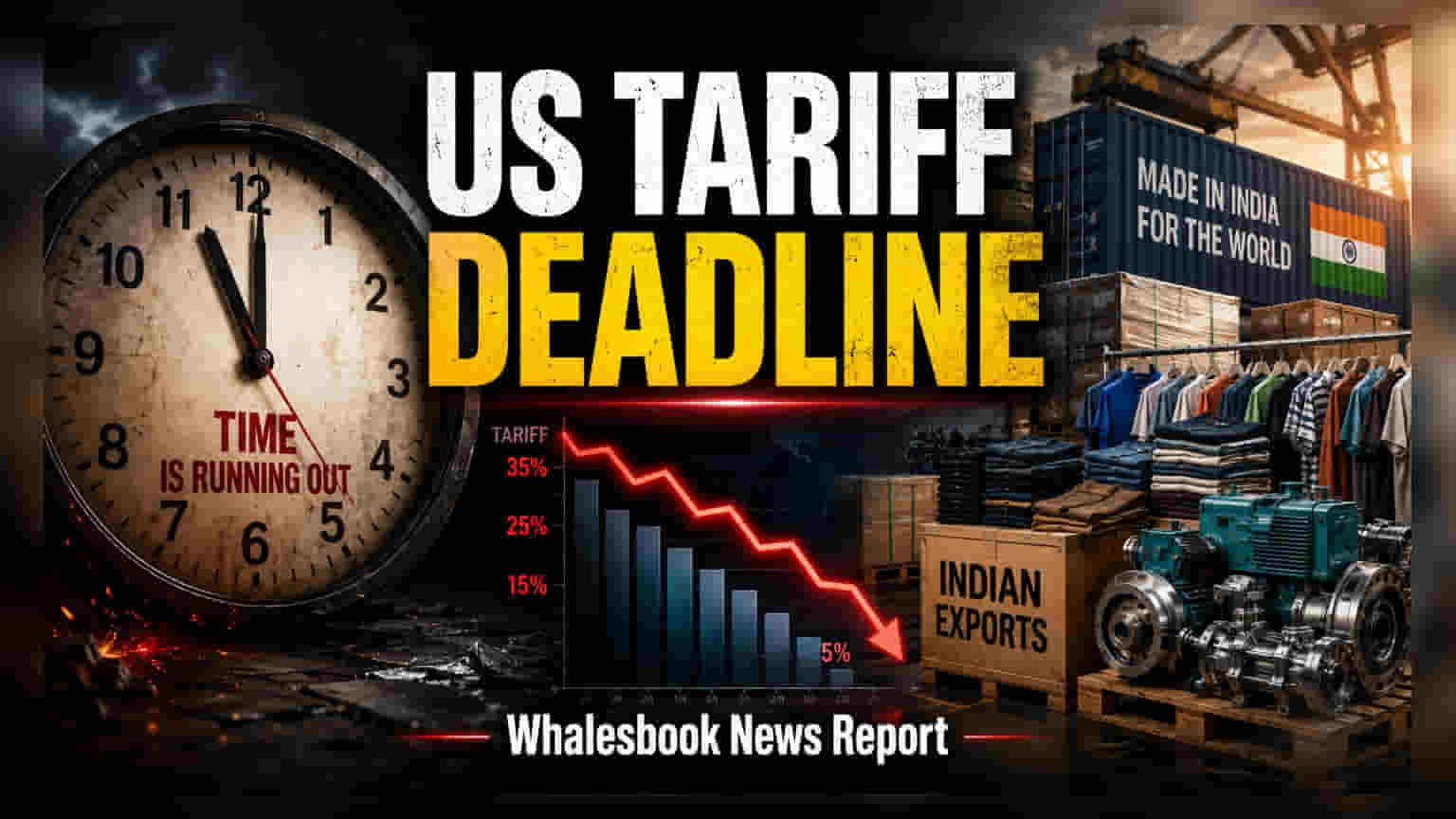
A temporary 10% US import tariff on Indian goods reaches its 150-day limit today. While this could lower costs for exporters, new US trade investigations into manufacturing capacity and supply chains create lingering uncertainty for Indian businesses. Approximately 92% of India's $87.2 billion in annual merchandise exports to the US may be affected by these evolving trade policies.
Detailed Coverage
Indian exporters are monitoring the U.S. trade policy environment today as a temporary 10% import tariff, which has been in place for 150 days, reaches its expiration deadline. If the administration does not renew or replace this measure, a large volume of Indian goods will return to standard Most Favored Nation duty rates. This shift could provide financial relief for sectors like textiles and handicrafts, where the additional 10% levy has pressured profit margins and reduced price competitiveness against other global suppliers.
According to trade data, roughly 92% of India’s $87.2 billion in annual merchandise exports to the U.S. currently falls under these temporary rules. For companies in these sectors, the potential removal of the surcharge would reduce the total tax burden on goods entering the American market. However, the benefit is not universal. Products already subject to specific national security duties, such as steel and aluminium, will remain under their existing tariff structures regardless of today's expiration.
Potential for New Trade Barriers
While the expiry of the Section 122 surcharge offers a path toward lower costs, the broader trade environment remains volatile. The U.S. government is conducting ongoing Section 301 investigations that cover 60 countries, including India. These probes are examining concerns over global manufacturing capacity and labor practices within supply chains. There is a possibility that new responsive actions could follow, potentially including a 12.5% levy on goods from a group of countries that features India.
Historical Context of Tariff Pressures
This period of uncertainty follows a volatile year for exporters. Between August 2025 and February 2026, many Indian exports faced a significant 50% combined levy, stemming from a 25% reciprocal tariff and a separate 25% surcharge related to India’s oil purchases from Russia. The landscape shifted significantly in February 2026 after a U.S. Supreme Court ruling struck down certain reciprocal tariffs, leading to the current temporary Section 122 measure.
For investors and businesses, the situation highlights the dependency on U.S. trade policy. Companies that rely heavily on the American market may face fluctuating input costs and pricing challenges until a more permanent bilateral trade agreement is reached between New Delhi and Washington. The key monitorable for the coming weeks will be any official notification regarding the replacement of the expiring tariff or the outcome of the ongoing Section 301 investigations, which will clarify the long-term cost structure for Indian exporters.