

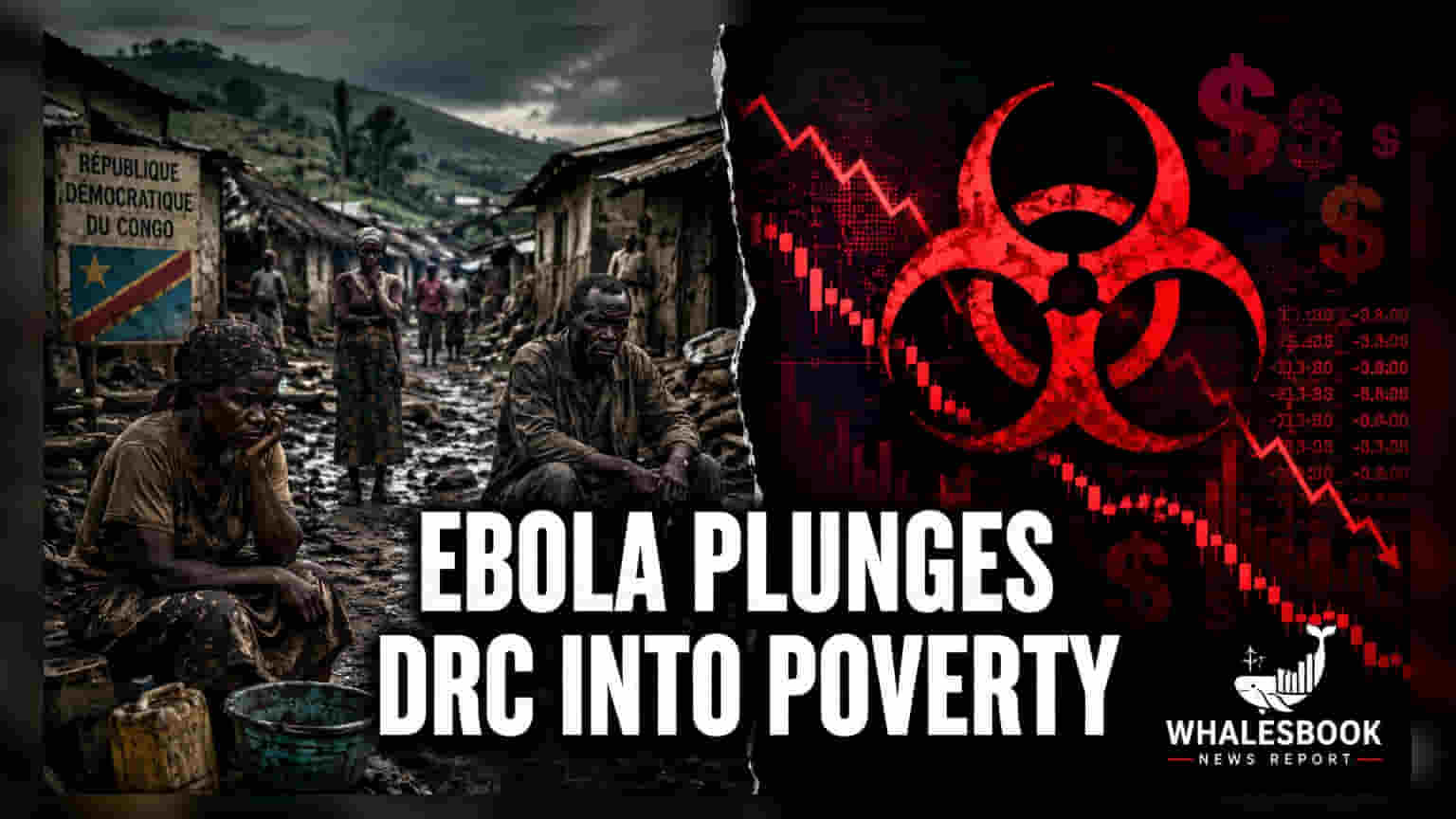
A new UNDP assessment warns that the ongoing Ebola outbreak in the Democratic Republic of the Congo could drive nearly one million people into poverty. The crisis risks causing $3.6 billion in economic losses across Africa, including significant trade disruptions and widespread job losses.
What Happened
A new assessment by the United Nations Development Programme (UNDP) has highlighted the severe socioeconomic threat posed by the current Ebola outbreak in the Democratic Republic of the Congo (DRC). The report, titled 'Rapid Socioeconomic Assessment of Ebola Outbreak in the DRC,' warns that the crisis extends beyond a public health emergency, potentially triggering a significant economic downturn across the region. With the outbreak affecting the DRC and neighbouring countries like Uganda, the findings underscore how health emergencies can evolve into major development crises that disrupt trade, employment, and poverty reduction efforts.
Economic Impact Projections
The economic consequences of the outbreak are significant. The UNDP estimates that if the situation worsens, African economies could face a total loss of up to $3.6 billion. The DRC is projected to be the most impacted, with a potential loss of over $1 billion in real Gross Domestic Product (GDP). Beyond macro-economic figures, the report points to the risk of 55,000 job losses in the DRC alone, with approximately 90,000 formal jobs at risk across the continent due to supply chain and trade disruptions. These losses could grow if the health crisis intersects with other global economic shocks or regional instability.
Impact on Poverty and Vulnerable Groups
The assessment warns that the outbreak acts as a regressive poverty shock. Nearly 985,000 additional people are at risk of being pushed into poverty as a direct or indirect consequence of the health emergency. The impact is not uniform, as vulnerable households, particularly those at the bottom 20% of the income scale, are expected to see a sharp decline in daily consumption. Women are flagged as particularly vulnerable, as they often dominate the informal trade sectors and serve as primary caregivers, increasing their exposure to both health risks and economic insecurity.
Health, Education and Long-term Risks
The indirect effects of the crisis are equally concerning. The diversion of essential healthcare resources to manage the Ebola outbreak is projected to contribute to 2,520 additional infant deaths from non-Ebola causes in the DRC. Furthermore, financial hardship and fear of infection are leading to disruptions in education. In the DRC, estimates suggest that 34,000 to 36,000 primary school students could drop out, with similar risks identified for students in Uganda.
What to Watch Next
To mitigate these risks, the UNDP has recommended a gender-responsive policy approach, including targeted cash transfers and consumption subsidies for vulnerable households. For regional stability and economic health, policymakers are encouraged to replace broad border closures with targeted screening measures to allow safe trade and movement. Investors and international observers are monitoring how effectively regional governments and international partners can integrate disease containment with long-term economic resilience programs. The key monitorable remains the containment of the virus and the ability of regional economies to maintain supply chains without triggering excessive, long-lasting economic damage.