

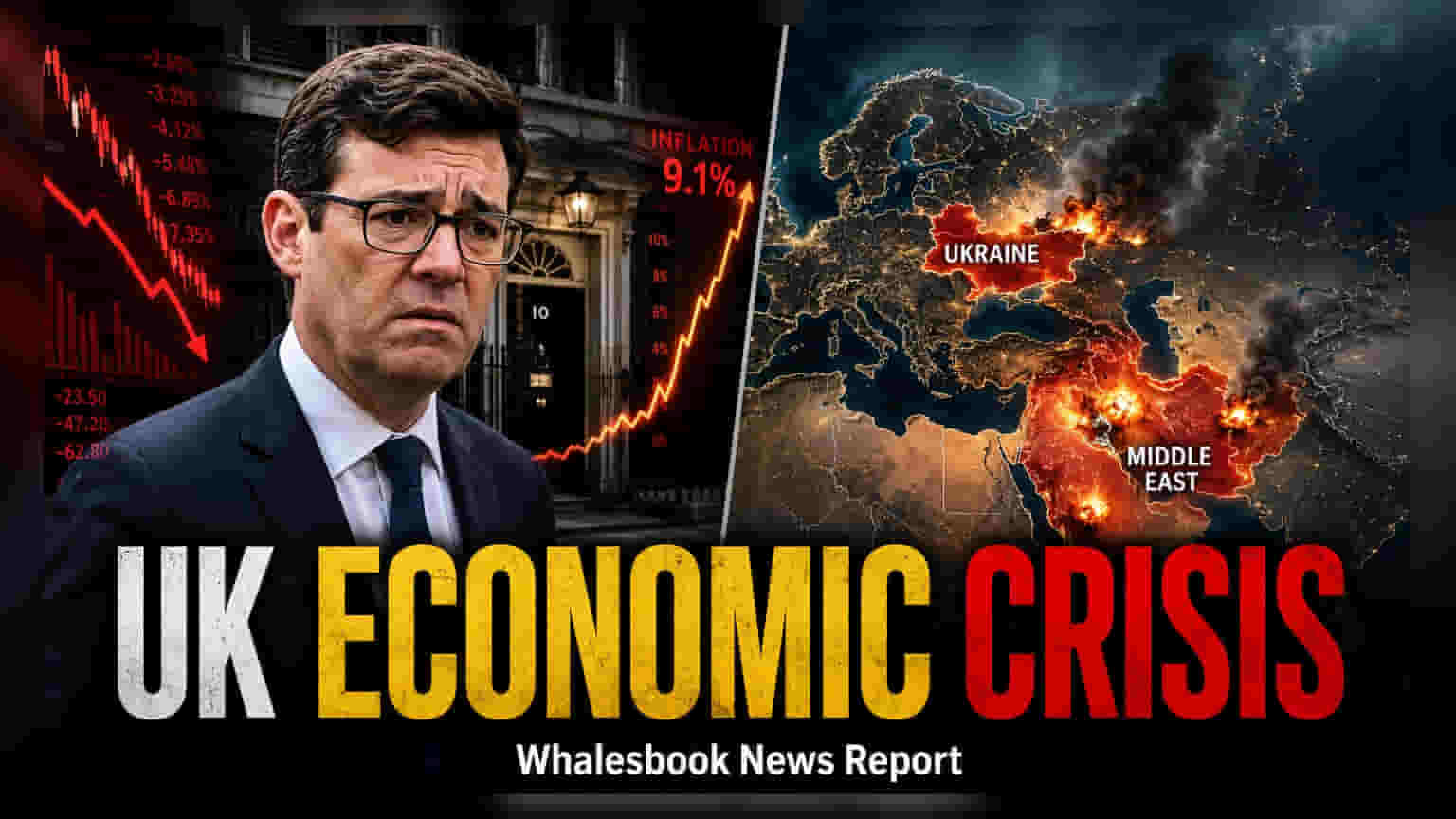
Prime Minister Andy Burnham has officially assumed office in the UK, inheriting an economy facing high inflation and slow growth. He plans to prioritize domestic funding and decentralization, while navigating complex foreign policy pressures and fiscal constraints left by his predecessor.
Detailed Coverage
Andy Burnham has officially begun his tenure as the Prime Minister of the United Kingdom, inheriting a complex economic and geopolitical landscape. As of July 2026, the country is grappling with a potential economic slowdown, with analysts pointing to the ongoing impact of global conflicts on growth and inflation rates.
The 'Manchesterism' Economic Approach
Central to Burnham's policy agenda is a strategy being referred to as 'Manchesterism.' This approach centers on significant decentralization, with a push to redirect government funds toward local authorities. Burnham’s administration intends to combine public and private investment to drive development in sectors such as housing, transport, and infrastructure. Additionally, the government has signaled an intent to bring certain public services back under state control. Investors and market observers are likely to monitor the execution of this strategy, particularly how the government plans to balance public and private capital amid fiscal limits.
Fiscal Hurdles and Tax Policy
Burnham faces a difficult fiscal environment, with limited room to maneuver on government spending. His predecessor’s manifesto explicitly ruled out increases in primary tax rates, which constrains the new administration's ability to raise revenue through traditional means. However, recent statements from the Prime Minister have hinted that the government may need to explore new revenue streams, with the possibility of a wealth tax being discussed. This potential policy shift could influence investor sentiment and market expectations regarding the UK's fiscal stability in the coming months.
Foreign Policy and Defence Pressures
On the international front, the new administration is managing high-stakes relationships and commitments. Burnham has reaffirmed support for NATO and the UK’s nuclear deterrent, while also pledging continued backing for Ukraine. Managing ties with U.S. President Donald Trump remains a significant task, with expectations of pressure for the UK to increase its NATO contributions. Current defense plans, which include a £15 billion increase, are already under scrutiny for potentially falling short of military requirements. Furthermore, Burnham must navigate sensitive discussions regarding post-Brexit relations with the European Union and address complex foreign policy issues, including the conflict in Gaza.
Monitoring Future Policy Shifts
The next steps for the UK government will be critical in determining the domestic and international reaction to Burnham's agenda. Investors will likely track the details of the upcoming budget, any potential adjustments to tax policies, and the government's progress in managing defense spending commitments. Additionally, the administration’s approach to reducing net migration and its long-term strategy for infrastructure development remain key areas for ongoing assessment.