

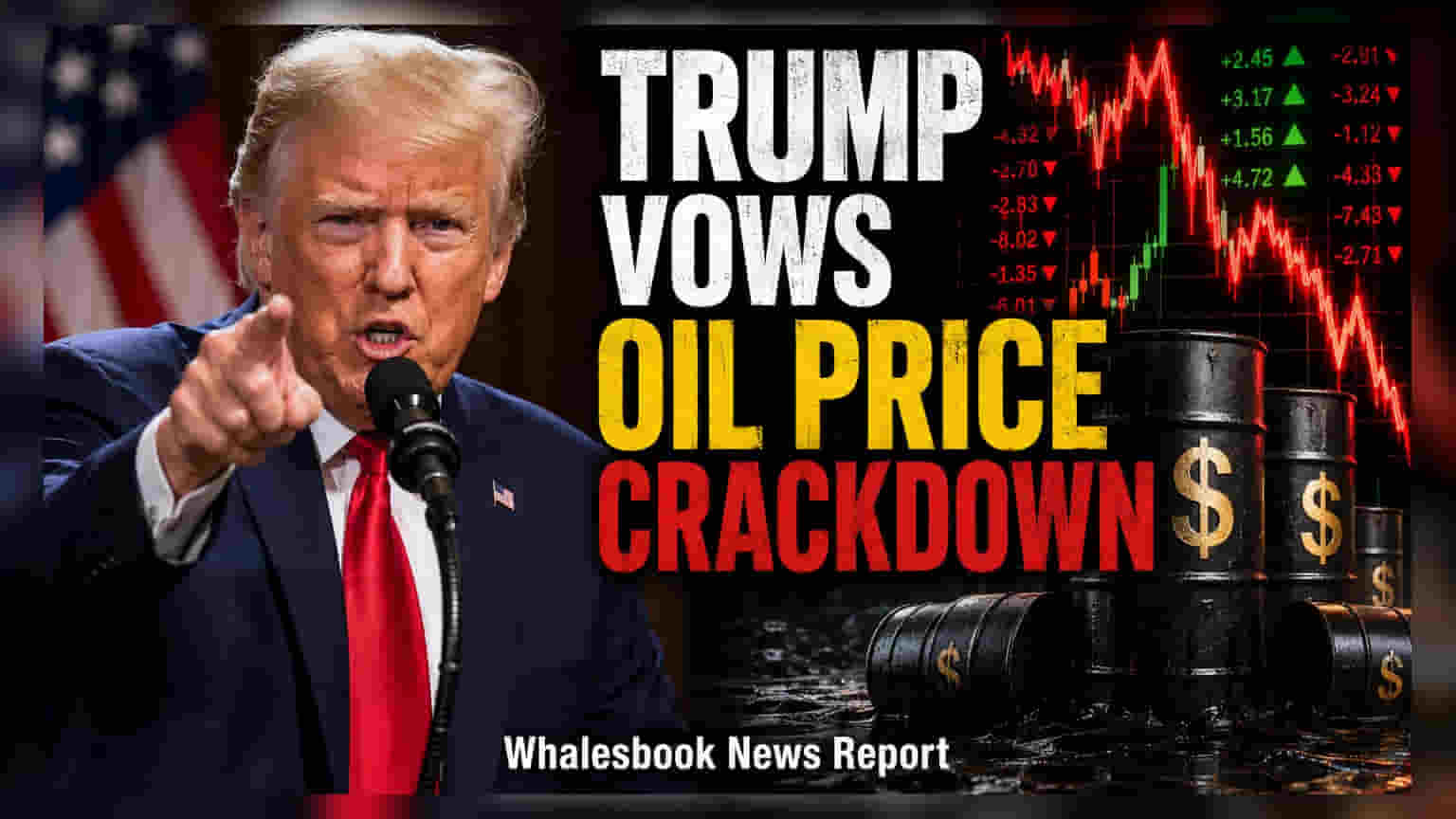
President Donald Trump has publicly criticized major oil companies for earning excessive profits during a period of crude oil supply shortages. The President linked these high prices to geopolitical instability surrounding Iran, signaling potential government scrutiny into industry pricing strategies. Investors are monitoring how this political pressure might affect the energy sector's regulatory environment and future profit margins.
President Donald Trump has expressed sharp criticism regarding the profitability of major oil companies, labeling their current earnings as excessive. Speaking at the White House on Monday, the President stated that these firms are benefiting unfairly from high crude oil prices, which he attributed to supply shortages caused by rising geopolitical tensions involving Iran.
Impact of Geopolitical Risks on Energy Pricing
The crude oil market is currently sensitive to disruptions in the Middle East, particularly involving Iran, a key player in global energy production. When supply fears escalate due to international conflict, global crude prices often rise rapidly. For oil producers, this environment frequently leads to higher revenue per barrel. However, the President’s comments suggest that the administration views these gains as being driven by external supply constraints rather than improved operational performance or market efficiency.
Regulatory and Investor Implications
While the President’s remarks represent a strong verbal intervention, investors in the energy sector typically monitor whether such rhetoric leads to concrete policy actions. Historically, when governments express concerns over 'price gouging' or excessive energy profits, potential outcomes can include calls for windfall taxes, increased environmental or operational regulations, or requests for companies to boost production to lower consumer costs.
For shareholders, the primary concern remains how potential policy interventions could impact future profit margins. If the government pursues measures to limit price increases or impose additional taxes, it could affect the cash flow and capital allocation strategies of major energy firms. Additionally, because the sector is highly cyclical, companies are often valued based on their ability to manage production costs and navigate international trade regulations.
Monitoring Industry Developments
Moving forward, market participants will track whether these comments result in formal investigations by energy regulators or proposed changes to industry taxation. Investors should watch for official statements from major energy corporations regarding their production levels and pricing policies, as these will likely serve as the first response to the administration's stance. Furthermore, changes in global crude benchmarks and any de-escalation in the Iran-linked supply constraints will be important for assessing the long-term impact on energy stock stability and sector demand.