 Whalesbook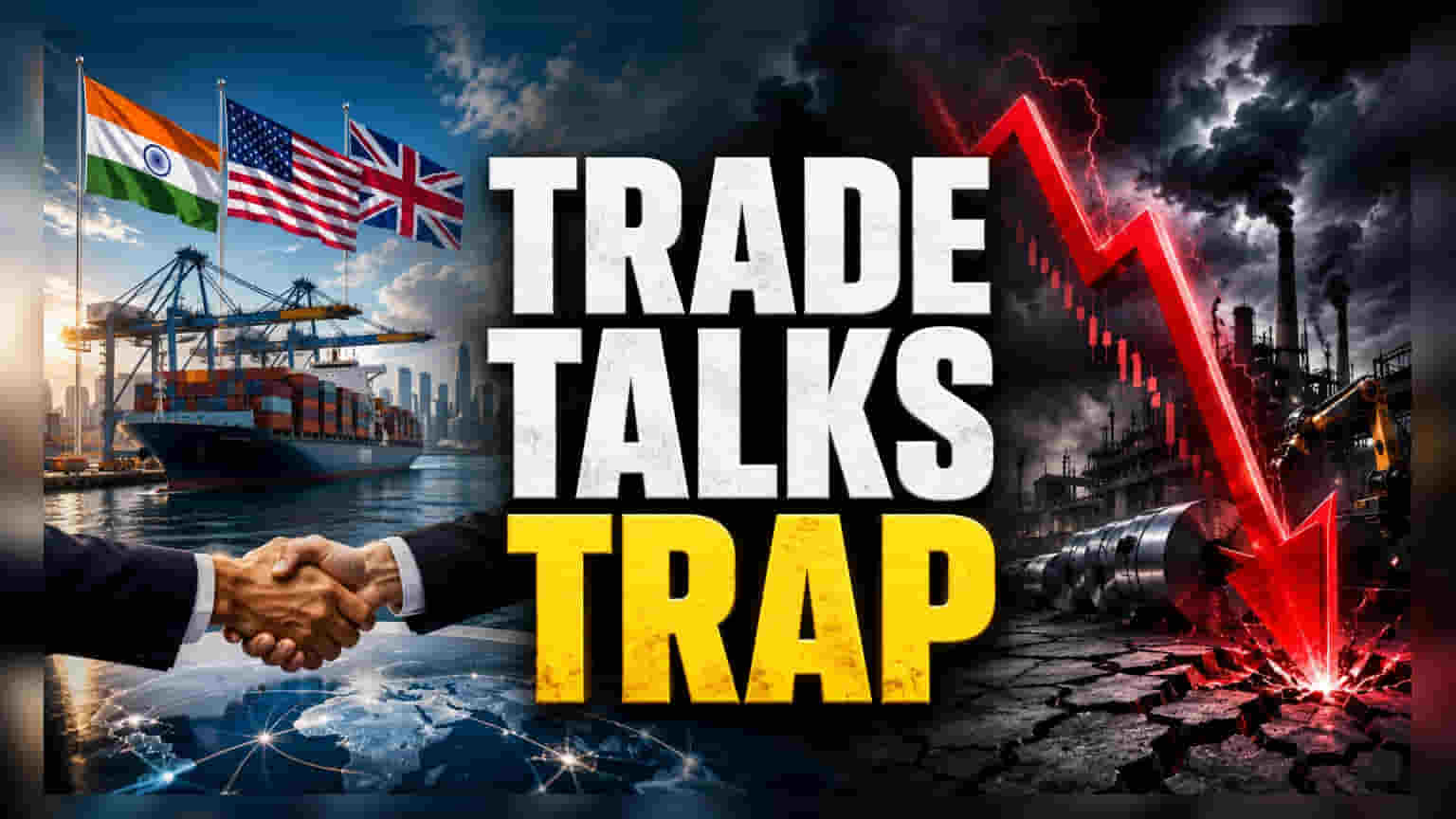


The Valuation of Trade Stability
Trade negotiations between New Delhi and Washington have entered a high-stakes phase where the outcome of U.S. regulatory probes is effectively dictating the terms of bilateral market access. The U.S. Trade Representative has concluded that 60 economies, including India, maintain inadequate forced labor import prohibitions, leading to proposed supplemental tariffs. These measures, slated for potential finalization after July, represent a significant hurdle for Indian exporters, who are seeking to secure an interim agreement that provides long-term tariff predictability.
The Section 301 Pressure Mechanism
The ongoing U.S. Section 301 process is being utilized by Washington as a regulatory lever to extract deeper concessions, moving beyond simple trade volume targets. Following a June 2, 2026, determination, the U.S. categorized nations into varying tariff tiers, with India facing a proposed 12.5% ad valorem levy. This move follows a February 2026 U.S. Supreme Court decision that invalidated prior reciprocal tariff structures, compelling the current administration to utilize the Trade Act of 1974 to re-establish its enforcement architecture. For Indian officials, the primary objective is to de-link these investigations from the broader interim trade pact, ensuring that any final deal includes explicit guarantees against future Section 301 actions that could suddenly inflate costs for domestic firms.
Complexity in the UK Corridor
While the U.S. dialogue remains fixated on labor and regulatory alignment, the India-UK trade relationship faces a different set of challenges centered on industrial protectionism. Although both nations signed a comprehensive agreement in July 2025, implementation remains effectively frozen. The primary friction points involve Britain’s impending steel safeguard quotas, which threaten to cap tariff-free imports at 60%, and the integration of a Carbon Border Adjustment Mechanism. Indian steel exporters, already navigating the transition toward lower carbon intensity, view the UK’s carbon-linked costs as a direct threat to their competitive edge in one of their key export markets.
Risk Factors and Strategic Constraints
Reliance on US and European markets presents a heightened vulnerability to shifting climate and labor regulations. The potential for default tariff values—which could reach prohibitive levels if emissions verification is not airtight—remains a top-tier operational risk for Indian manufacturing, particularly in the iron and steel sectors. Furthermore, the reliance on trade agreements to offset these regulatory costs is precarious. Should the U.S. maintain its aggressive stance on Section 301, India may find itself forced to choose between adopting Western-style import-control frameworks or accepting a cycle of periodic tariff spikes that undermine consistent capital allocation.