

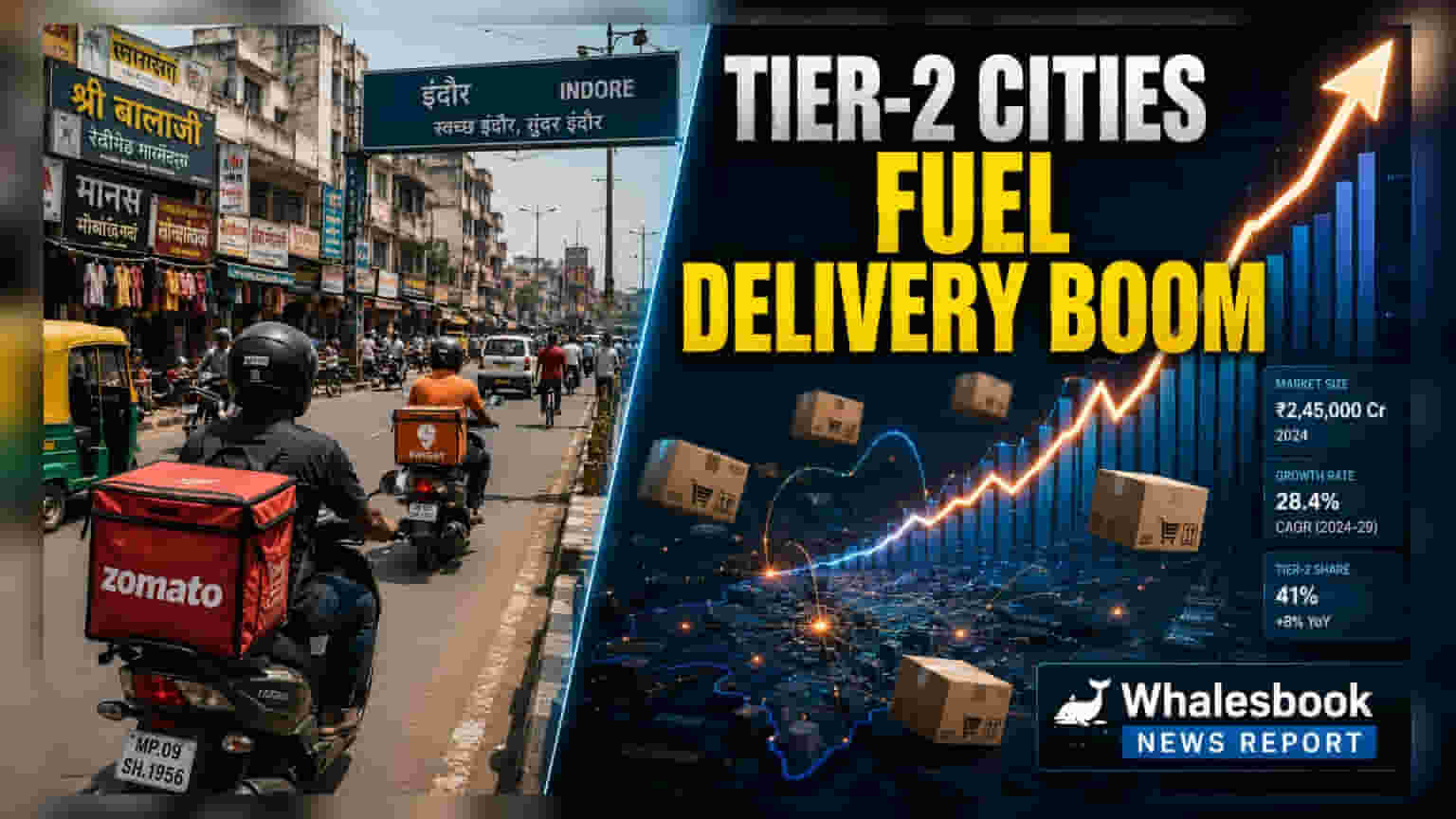
Online food delivery in India is shifting focus to smaller cities, with transaction volumes jumping from 60 million in FY21 to 180 million in FY26. As digital-first restaurant brands expand rapidly in these areas, investors are focusing on how this shift impacts long-term profitability and market share in the broader $90 billion food services sector.
The landscape for India's food services market is undergoing a structural change as delivery platforms and restaurant chains pivot toward Tier-2 and smaller cities. According to data from Redseer's 2026 report, these regions have become the primary engines for new order growth. Transaction volumes in these smaller urban centers have nearly tripled over the last five years, rising from roughly 60 million in FY21 to 180 million in FY26. While metro markets remain the largest contributors with 1.06 billion transactions, the faster growth pace in emerging cities highlights a shift in consumer behavior and digital accessibility.
Digital-First Brands Outpacing Legacy Chains
The expansion into these regions is benefiting a specific cohort of digital-first restaurant brands. These agile companies are expected to record revenue growth of 25% to 30% in FY26, which is notably higher than the projected growth rate for the broader organized food services market. A key differentiator for these brands is their operational structure, where digital channels account for nearly 90% of total revenue. In comparison, legacy restaurant chains derive only about 50% of their revenue from similar digital platforms. This reliance on delivery-focused models, including cloud kitchens and optimized menu sizes, is helping these brands manage expansion costs in newer markets.
Sector Growth and Future Trends
The organized food services market is currently valued at approximately $90 billion and is expected to reach $150 billion by 2030, with an annual growth rate of 17% to 18%. As delivery becomes more deeply integrated into consumer habits, the share of online food delivery in the total food services market is projected to rise from 11% in FY26 to 18% by FY31. Within this ecosystem, snacks, desserts, and beverages are emerging as the fastest-growing categories due to their ease of transport and high demand. Specifically, the premium coffee segment is expected to see a compound annual growth rate of 15% to 18% through 2030, presenting a niche opportunity for organized players.
Potential Risks and Monitorables
While the expansion into smaller cities offers a large addressable market, profitability remains a core focus for investors. The shift toward cloud kitchen models is often an attempt to control high real estate and operational expenses associated with traditional dining. However, these models face inherent risks, including execution challenges in supply chain management, fluctuating raw material costs, and intense competition from local unorganized players who often operate at lower price points. Future updates will likely focus on whether these digital-first brands can maintain their high growth rates while improving profit margins, or if the cost of customer acquisition in Tier-2 regions will compress earnings.