

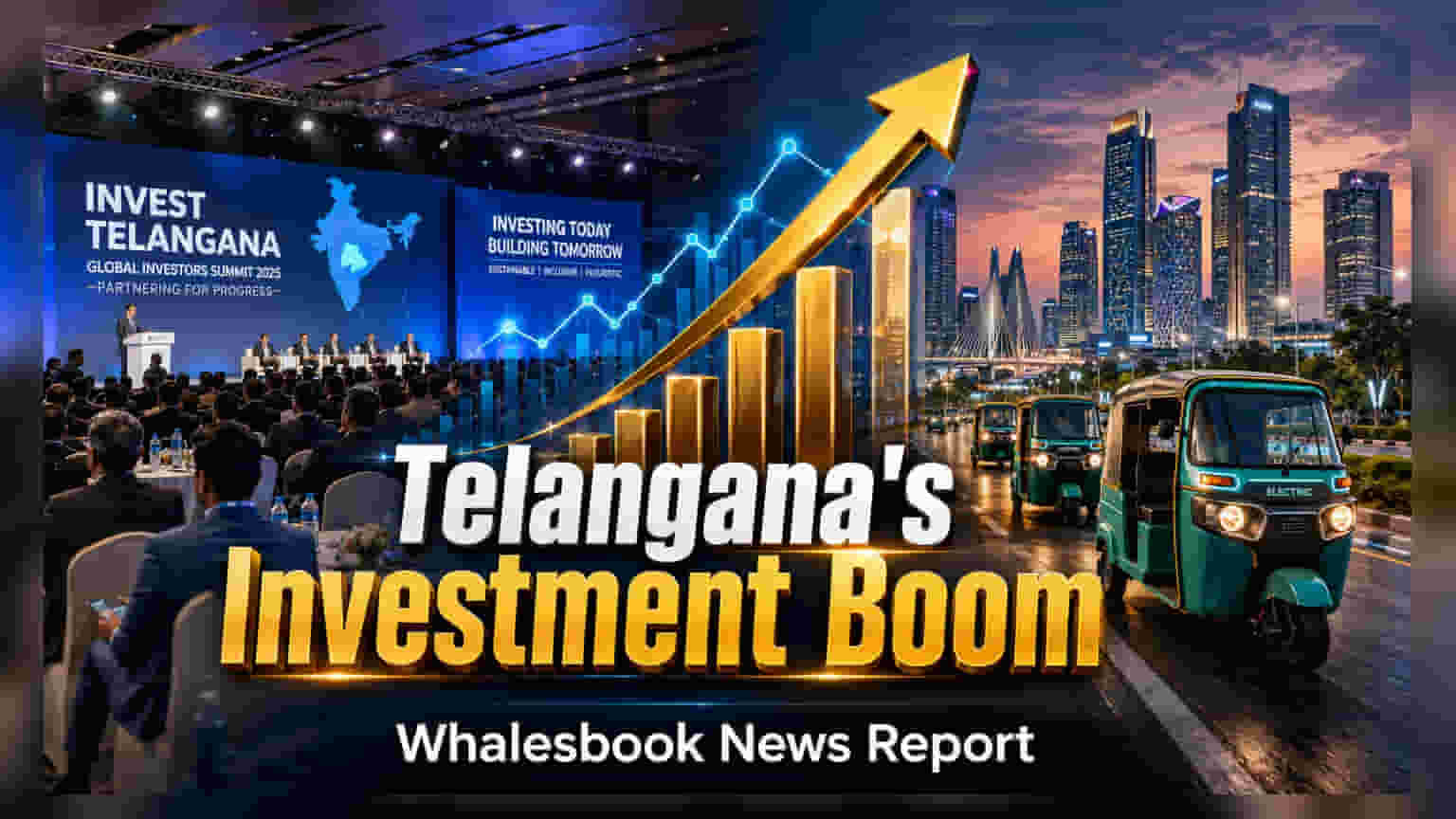
The Telangana cabinet on August 14 approved a ₹200 crore scheme to subsidize electric auto-rickshaws, offering up to ₹1.5 lakh per vehicle. Additionally, the state confirmed the 'Telangana Rising Global Summit' for December, where it will unveil a 30,000-acre 'Bharat Future City' master plan. These developments may impact the electric vehicle, infrastructure, and real estate sectors.
The Telangana state cabinet, in a move to promote green mobility and attract industrial investment, announced two major updates on August 14, 2026. The government approved a ₹200 crore allocation for the 'Auto Rickshaw Electric Conversion Scheme' and finalized the schedule for the second 'Telangana Rising Global Summit.'
EV Subsidy and Market Impact
The cabinet's decision to launch the electric vehicle (EV) conversion scheme is designed to accelerate the transition of commercial transport in the state from fossil fuels to electric. Under this scheme, eligible auto-rickshaw drivers can receive a subsidy of up to ₹1.5 lakh per vehicle to help with the purchase of new electric autos or the conversion of existing ones. To further support this shift, the state is offering 100% exemption on road tax and registration fees for electric vehicles registered by December 31, 2026.
For market participants, these incentives create a more favorable demand environment for electric three-wheeler manufacturers and charging infrastructure providers within the region. Increased adoption of electric commercial vehicles could lead to higher sales volumes for companies operating in the electric mobility segment.
Summit and Infrastructure Development
The 'Telangana Rising Global Summit' is scheduled for December 7–9, 2026, at Bharat Future City. The state government intends to use this platform to attract new industrial investments and showcase the master plan for 'Bharat Future City.' This ambitious development project, spanning 30,000 acres, represents a significant focus on urban and industrial expansion. Investors typically monitor such summits for the potential business opportunities they open up for engineering, procurement, and construction (EPC) companies, as well as real estate developers interested in large-scale government-backed projects.
Risks and Monitorables
While the government's announcements signal a focus on growth, investors should maintain a practical view regarding execution. The actual benefit to companies depends on the on-ground adoption of EVs by auto drivers and the development of supporting infrastructure. Similarly, large-scale infrastructure projects like 'Bharat Future City' are subject to long timelines and high capital requirements.
Furthermore, memorandums of understanding signed during global summits are often expressions of intent rather than binding investment commitments. The tangible impact on the state's economy and specific business sectors will depend on how effectively the government executes these policies and how quickly companies can convert these opportunities into projects. Investors may continue to monitor the progress of these schemes, the actual rollout of the subsidy program, and any specific project tenders released for the new development city.